

The reason why interior design is interesting mintpaldecor comes down to how interior design connects creativity, aesthetics, functionality, and everyday living. A room can create visual impact while improving comfort, supporting a person’s lifestyle, and making ordinary homes or workplaces work better.
- Why Interior Design Is Interesting Mintpaldecor
- 1. Art, Functionality And Practical Interior Design
- A Blend Of Art And Functionality
- What Makes Different From Generic Decor Advice?
- Select Furniture Based On Function
- Create A Home That Feels Comfortable
- 2. Personal Expression And Individual Style
- Personal Expression Through Design
- What Makes Different From Generic Decor Advice?
- Personalize Your Interior
- 3. Emotional Impact, Color, Texture And Atmosphere
- The Emotional Impact Of Spaces
- Why Interior Design Is Worth Learning
- Choose A Suitable Color Palette
- Add Texture For Visual Interest
- 4. Lighting And Interior Atmosphere
- The Emotional Impact Of Spaces
- Interior Decoration Tips That Work In Real American Homes
- Improve The Lighting
- 5. Trends, Timeless Design And Changing Styles
- 6. Problem-Solving, Layout, Scale And Proportion
- The Challenge Of Problem-Solving
- Design Foundations
- Start With A Clear Decoration Plan
- Make Small Rooms Feel Larger
- Maintain Balance And Proportion
- 7. Accessories, Clutter And Negative Space
- 8. Budget-Conscious Interior Design
- Room-By-Room Budget Breakdown: What Actually Moves The Needle
- Start With A Clear Decoration Plan
- Decorate Gradually
- Combined Conclusion Material
- Material
That appeal becomes clearer when thoughtful planning, personal style, lighting, colors, and textures are considered together. Even large rooms can feel unsuccessful without sound design principles, while comfortable spaces can emerge through practical design, practicality, and carefully judged furniture rather than expensive furniture or a large budget. Good room improvement therefore balances visual appeal, atmosphere, functional impact, and affordable decorating.
Why Interior Design Is Interesting Mintpaldecor
Interior design stays interesting because no room asks exactly the same question. The designer has to connect human behavior, visual judgment, physical space, budget, culture, light, materials, and everyday use rather than simply make a room look fashionable.
1. Art, Functionality And Practical Interior Design
A successful interior is rarely based on aesthetics alone. Its visual beauty, visual appearance, and visual appeal have to exist beside functionality, practicality, room usability, and the realities of everyday living.
A practitioner normally notices several things at once:
- Furniture, furniture scale, room size, room layout, and space planning determine whether movement feels natural.
- Function first thinking prevents blind copying of attractive decorating ideas that do not suit the occupants.
- Correct proportions, consistency, cohesion, visual consistency, and thoughtful design choices are often more valuable than expensive items.
- Practical furniture and multifunctional pieces can turn smaller spaces into useful living spaces.
- Everyday requirements, living needs, daily routines, and a specific lifestyle should influence the layout.
- Children, pets, work-from-home needs, seating, lighting, storage, and durable materials belong in the design conversation from the beginning.
This is where creative design becomes practical. An appealing room should feel comfortable, deliver everyday comfort, offer practical usefulness, and support genuine interior functionality. Strong design principles turn practical interiors into places where appearance and function are not competing ideas. Instead, the final interior design reflects intelligent design decisions and real usability.
A Blend Of Art And Functionality
The strongest rooms prove that creative design and practical design do not need to be separated.
A well-resolved interior design uses aesthetics and visual beauty to create an appealing room, but it also protects room usability, practical usefulness, and functionality. That balance makes living spaces more comfortable, improves comfort during everyday living, and produces lasting visual appeal.
What Makes Different From Generic Decor Advice?
Useful decorating guidance starts with principles rather than blind copying.
The designer considers function first, correct proportions, proportion, materials, and design principles before chasing decorating ideas or purchasing expensive items. This approach improves functionality, practicality, consistency, cohesion, visual consistency, and the quality of later design choices within an interior design scheme.
Select Furniture Based On Function
Furniture selection becomes easier when the purpose of the room is understood before its appearance.
Furniture, furniture scale, room size, room layout, layout, and space planning determine how well people can use the area. The right practical furniture or multifunctional pieces can improve movement, usability, and interior functionality, particularly in smaller spaces. Correct proportions, everyday requirements, function, and overall appearance should therefore be considered together.
Create A Home That Feels Comfortable
A genuinely comfortable home reflects how people live rather than how a staged photograph looks.
Children, pets, daily routines, lifestyle, work-from-home needs, and broader living needs influence good design decisions. Suitable seating, sensible storage, appropriate lighting, durable materials, and reliable functionality help create practical interiors with everyday comfort, comfort, and a pleasing visual appearance.
2. Personal Expression And Individual Style
Interior design becomes more interesting when a room communicates something about its occupants rather than copying a catalog.
Personal expression, self-expression, individuality, and personality can appear through colors, materials, artwork, photographs, books, handmade pieces, travel souvenirs, and other meaningful possessions. These objects turn a generic living space into an authentic room filled with memories and recognizable interior character.
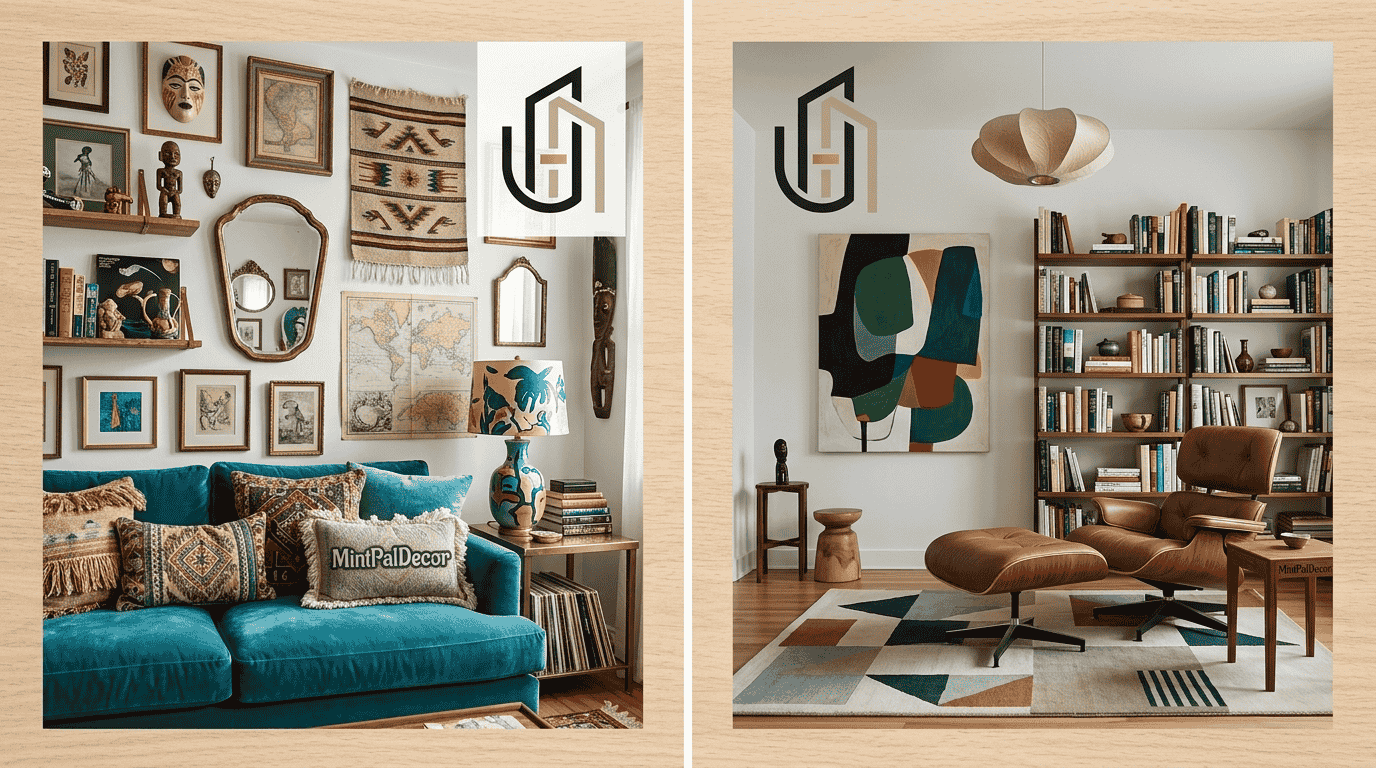
Style can also be interpreted rather than followed literally. Minimalism, luxury, traditional interiors, and other design styles can coexist when the designer controls proportions, visual cohesion, and connecting decorating styles.
Instead of copying rooms from inspiration boards, the designer can study:
- personal preferences
- aesthetic preferences
- individual tastes
- everyday lifestyle
- real lifestyle needs
- the occupants’ actual lifestyle
- functional expectations
- preferred design principles
This kind of design understanding supports personalization without sacrificing functionality. Different preferences can then shape individual spaces while still producing a coherent room design and thoughtful interior design.
Personal Expression Through Design
Interior design can function as a form of self-expression because the choices inside a living space reveal personality, individuality, preferences, and personal tastes.
Someone may prefer minimalism, another person may enjoy luxury, while someone else may feel more comfortable with traditional interiors. Those different design styles reflect a person’s lifestyle, aesthetic preferences, and broader personal expression.
What Makes Different From Generic Decor Advice?
A personalized room does not begin with copying rooms from inspiration boards.
It starts by understanding personal preferences, lifestyle needs, and the person’s actual lifestyle. From there, design understanding, design principles, functionality, and deliberate personalization can produce individual spaces and a more authentic room design.
Personalize Your Interior
Personalization works best when meaningful items have a reason to be present.
Photographs, artwork, books, travel souvenirs, handmade pieces, and meaningful possessions add memories, personality, and interior character. Different decorating styles can still feel unified when colors, materials, proportions, and visual cohesion connect them. The result is stronger personalization and a more authentic room.
3. Emotional Impact, Color, Texture And Atmosphere
People do not experience a room only through sight. They respond to its mood, feelings, comfort, light, material surfaces, scale, sound, and movement.
That explains the emotional impact of interiors. Colors, textures, lighting, layouts, and the overall interior atmosphere can affect happiness, productivity, focus, stress, sleep, peace of mind, well-being, and perceived quality of life.
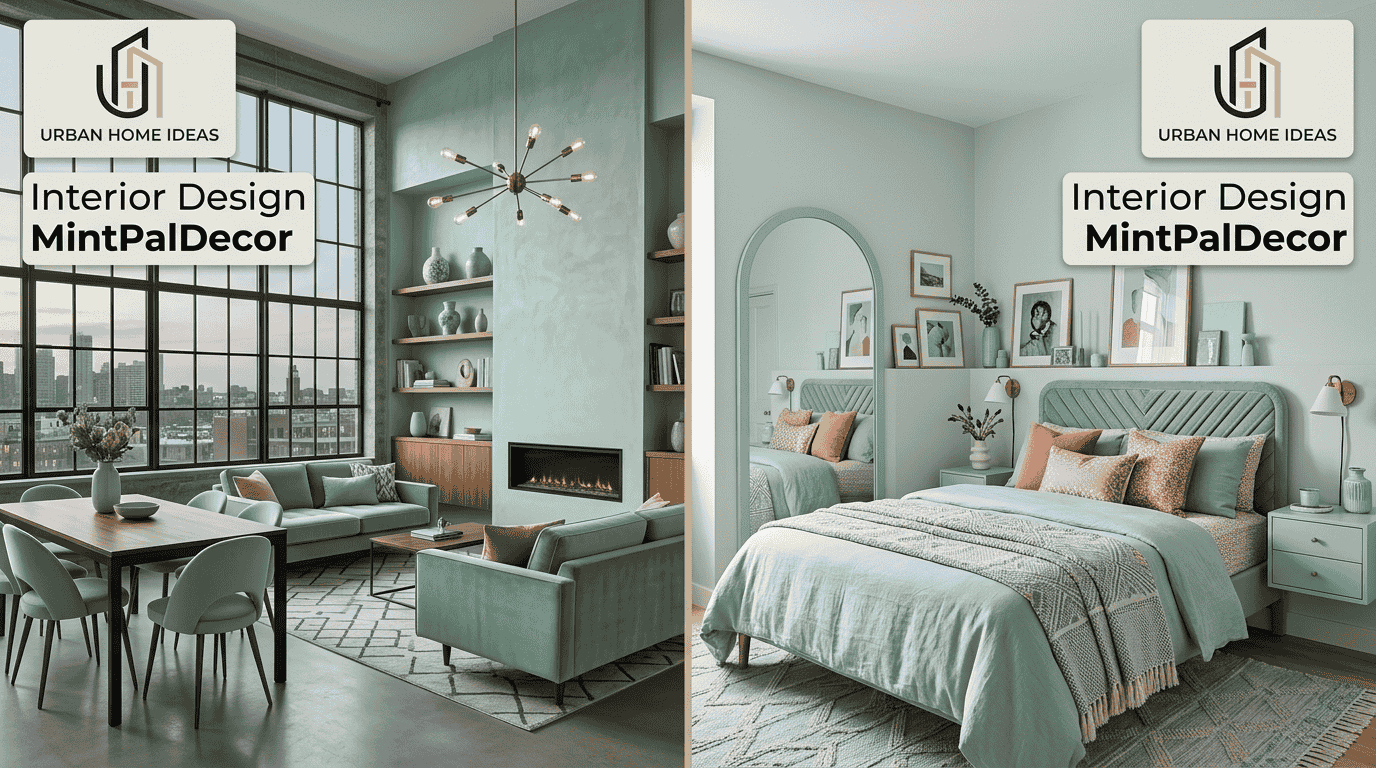
Color offers one layer of control. A restrained color palette can use neutral foundations, complementary shades, and selective accent shades to support visual harmony. Too many unrelated colors may disturb color balance, whereas a considered palette can strengthen room character and even alter perceived size.
Texture adds another layer. A neutral color scheme can become richer through:
- rugs
- fabrics
- curtains
- blankets
- cushions
- baskets
- wood
- ceramics
This layering of tactile elements creates texture, depth, interior depth, and visual interest instead of visual flatness.
The practical value is broader than decoration. An indoor space influences the human experience, and thoughtful organization, suitable materials, natural daylight, and a coherent room design can create a more positive atmosphere or uplifting atmosphere. That connection between a living environment, daily life, appearance, and emotion is one reason interior learning remains relevant.
The Emotional Impact Of Spaces
A room can influence behavior before a person consciously analyzes its design.
Layouts, colors, textures, lighting, and natural daylight contribute to mood, feelings, and the emotional impact of a room. A thoughtful interior design may support happiness, productivity, comfort, peace of mind, and well-being, while poor conditions may increase stress. A lighter composition can also produce a positive atmosphere or uplifting atmosphere.
Why Interior Design Is Worth Learning
Interior learning matters because indoor spaces form a large part of the human experience.
The appearance, organization, and mood of a living environment can influence daily life, focus, comfort, sleep, well-being, and quality of life. Understanding interior design therefore has practical value beyond decoration.
Choose A Suitable Color Palette
A useful color palette controls both emotion and visual order.
Neutral foundations can create stability, while complementary shades and selective accent shades introduce character. Managing unrelated colors, color balance, and visual harmony helps establish a consistent room character, clearer interior atmosphere, and more intentional room design. The chosen colors and mood can even affect perceived size.
Add Texture For Visual Interest
Texture prevents quiet interiors from becoming lifeless.
A neutral color scheme gains depth, interior depth, and visual interest through rugs, curtains, blankets, cushions, fabrics, baskets, wood, and ceramics. Combining these materials creates layering and tactile elements, allowing texture to replace visual flatness with a richer sensory experience.
4. Lighting And Interior Atmosphere
Lighting is one of the fastest ways to change how a room feels because it affects visibility, brightness, visual warmth, mood, and the broader interior atmosphere.
A well-planned scheme uses multiple light sources instead of relying completely on an overhead fixture. That may include ceiling lights, floor lamps, table lamps, wall lights, task lighting, accent lighting, and softer ambient lighting.
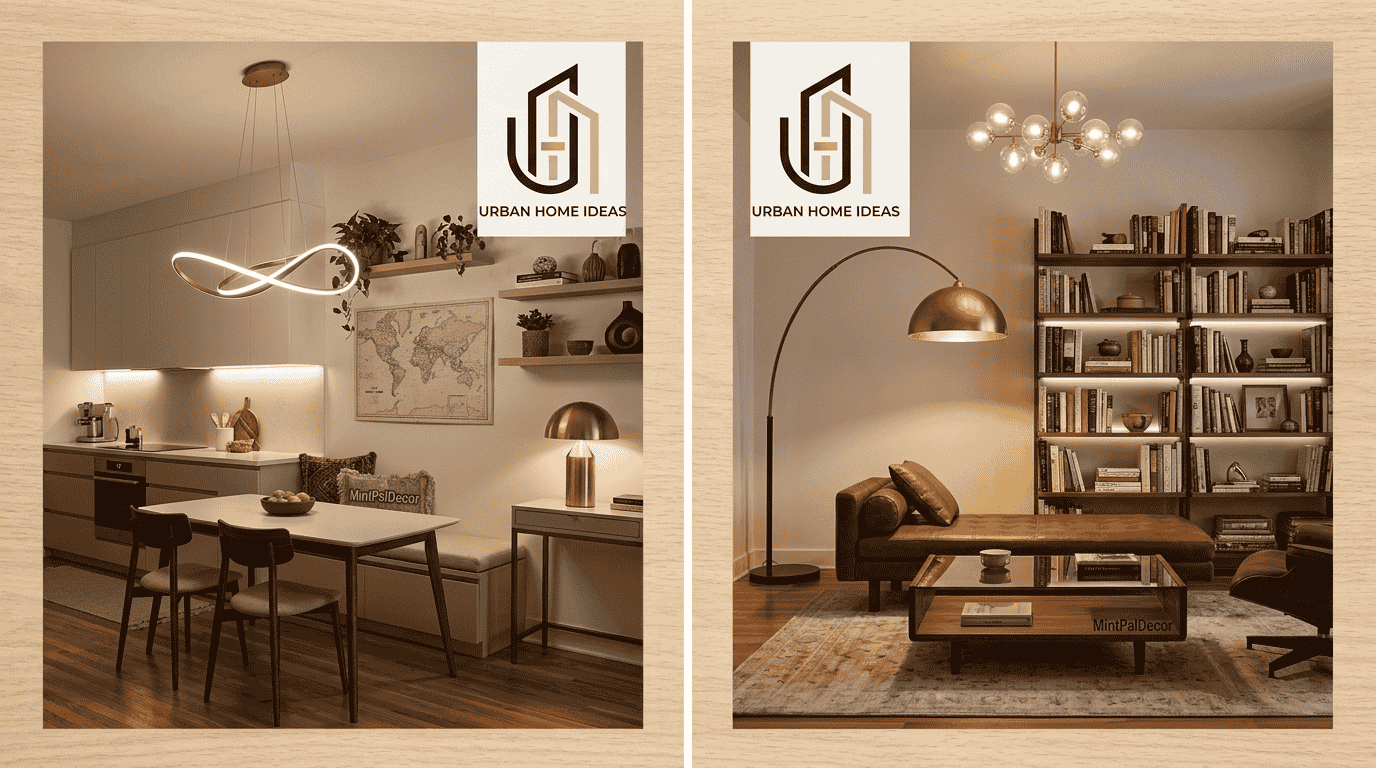
The right lighting layers depend on room function:
- warmer lighting can support relaxing areas
- brighter lighting suits kitchens, offices, and practical work areas
- ambient light softens general illumination
- accent lighting creates emphasis
- task lighting improves practical visibility
When natural light or natural daylight is available, it can support brightness, comfort, well-being, and an uplifting atmosphere. Layered artificial light can produce similar visual warmth, helping create warmer rooms, a more positive atmosphere, and stronger room atmosphere.
This is why lighting should often be considered before many decorating purchases. Strong home lighting can make interior spaces feel more intentional and create deliberate interiors without major renovation. In practical interior decoration, layered lighting has both functional and emotional impact.
The Emotional Impact Of Spaces
Natural daylight and good lighting can alter the emotional tone of interior spaces immediately.
Greater brightness may contribute to an uplifting atmosphere, positive atmosphere, and improved mood, while a well-balanced environment can support comfort and well-being. This connection between light and emotional impact helps explain why lighting deserves early attention.
Interior Decoration Tips That Work In Real American Homes
Practical interior decoration benefits from multiple light sources rather than a single overhead fixture.
Using layered lighting, ambient lighting, and well-positioned home lighting can create visual warmth, warmer rooms, and a stronger room atmosphere. It can also make spaces feel like deliberate interiors, often before additional decorating purchases or major changes are necessary.
Improve The Lighting
Lighting should match the activity occurring in each room.
Brighter lighting, task lighting, and strong ceiling lights can support kitchens, offices, and work areas. Warmer lighting, ambient light, floor lamps, table lamps, and wall lights suit many relaxing areas. Strategic accent lighting, varied lighting layers, and good natural light can then strengthen the interior atmosphere according to each room function.
5. Trends, Timeless Design And Changing Styles
Interior design changes constantly, but change does not require a homeowner to replace everything whenever new trends appear.
The field evolves through technology, smart technology, automation, new design materials, changing textures, revised layouts, sustainable ideas, and broader innovation. These forces keep interior trends and changing trends moving, which makes evolving design and contemporary interiors intellectually interesting.
At the same time, strong designers separate novelty from longevity. Timeless design can form the foundation, while replaceable items, cushions, textiles, artwork, and small accessories carry temporary design updates.
This produces useful flexibility:
- major permanent choices can remain stable
- temporary decorating choices can respond to inspiration
- durable materials can protect longevity
- new ideas can be tested without rebuilding the room
- sustainability can guide both selection and replacement
This balance allows interior design to absorb changing trends without becoming controlled by them.
Constantly Changing Trends
The changing nature of interior design is part of its appeal.
New materials, design materials, textures, layouts, technology, smart technology, and automation influence contemporary interiors. At the same time, sustainable ideas, sustainability, and innovation contribute to evolving design and continually changing changing trends.
Avoid Following Trends Too Closely
Trends work best as selective inspiration, not permanent instructions.
Timeless design can protect longevity, while replaceable items, cushions, textiles, artwork, and small accessories introduce interior trends with more flexibility. This allows temporary design updates and decorating choices without making every major permanent choice dependent on current trends.
6. Problem-Solving, Layout, Scale And Proportion
Interior design becomes especially engaging when a room has constraints. A designer may need to solve practical spatial problems involving small spaces, awkward dimensions, difficult circulation, limited budget, or poorly scaled furniture.
The process begins with planning, room planning, and accurate room measurements. The designer considers the room purpose, space requirements, required changes, existing furniture, furniture arrangement, traffic flow, and desired movement before purchasing anything.
Scale then becomes critical. Furniture scale, room scale, room proportion, proportion, and correct placement can determine whether even expensive pieces produce better results. Appropriately scaled furnishings and appropriately sized furniture often matter more than price.
Smaller interiors require additional thinking:
- mirrors can support visual expansion
- lighter colors can contribute to a larger appearance
- vertical storage can increase space optimization
- wall-mounted elements save usable floor area
- raised furniture can improve room openness
- clear pathways support traffic flow
- space-saving choices help compact rooms
Visual order matters as well. Balance, visual weight, spatial balance, visual harmony, and interior balance depend on how colors, patterns, artwork, plants, decorative pieces, and surrounding objects relate to the room.
That combination of design foundations, space planning, spatial design, interior composition, functionality, and creative thinking turns problem-solving into a form of intellectual engagement. Flexible solutions can produce flexible rooms, stronger visual coherence, and more intelligent interior design.
The Challenge Of Problem-Solving
Good interior design often begins with a constraint rather than a blank canvas.
Practical spatial problems, smaller rooms, and the need for flexible rooms demand problem-solving, creative thinking, and careful spatial design. Effective space optimization, room planning, and functionality can create a larger appearance while preserving visual coherence. That challenge adds genuine intellectual engagement to design work.
Design Foundations
Strong design foundations are visible in proportion rather than price.
Room proportion, furniture scale, appropriately scaled furnishings, correct placement, and overall proportion help establish interior balance and visual harmony. Even expensive pieces may fail when scale is wrong, while careful space planning can deliver better results regardless of price.
Start With A Clear Decoration Plan
A useful decorating plan begins before shopping.
The designer studies room measurements, dimensions, room purpose, space requirements, existing furniture, and any required changes. From there, planning, room planning, furniture arrangement, traffic flow, movement, budget, and interior priorities can guide later purchasing.
Make Small Rooms Feel Larger
A compact room feels larger when visual and physical obstructions are reduced.
Appropriately sized furniture, suitable furniture scale, raised furniture, and clear pathways increase room openness. Lighter colors and mirrors can support a larger appearance and visual expansion, while vertical storage, wall-mounted elements, and other space-saving choices help compact rooms and small spaces use limited area more effectively.
Maintain Balance And Proportion
Visual balance is created by relationships rather than symmetry alone.
The room scale, furniture, artwork, plants, decorative pieces, colors, patterns, and other surrounding objects all contribute to visual weight. Good proportion, balance, spatial balance, visual harmony, and interior composition help the room feel settled rather than visually unstable.
7. Accessories, Clutter And Negative Space
Accessories can give a room identity, but quantity is not the same as personality.
Artwork, books, mirrors, plants, vases, candles, bowls, and sculptures can operate as decorative objects that support room styling and personality. The challenge is controlling clutter and avoiding visual overload.
Experienced designers often use intentional grouping. Several related accessories may be arranged together while other open surfaces or open walls remain quieter. That creates negative space, open space, and visual breathing room.
The result is better visual balance and room balance because decorative accessories and general accessories are allowed to stand out instead of competing for attention. This kind of clutter control is a practical part of interior decoration.
Interior Decoration Tips That Work In Real American Homes
Good interior decoration does not require every surface to be filled.
Decorative objects can be arranged through intentional grouping, while negative space and open space create visual breathing room. This reduces visual overload, improves room balance, supports better clutter control, and gives chosen accessories more impact.
Use Decorative Accessories Carefully
Accessories should reinforce the room rather than dominate it.
Artwork, mirrors, books, plants, vases, candles, bowls, and sculptures can communicate personality through room styling. Grouping related accessories through intentional grouping while preserving open surfaces and open walls reduces clutter and improves visual balance. The goal is selective decorative accessories, not accumulation.
8. Budget-Conscious Interior Design
Good design is not automatically linked to high spending. It depends more on where resources create useful visual impact and functional impact.
A designer working with a budget can prioritize high-impact improvements such as paint, lighting, hardware, mirrors, shelving, rugs, and carefully chosen furniture. These inexpensive improvements can function as cost-effective upgrades and support genuinely affordable design.
The process becomes easier with a clear decorating plan and good room planning. Before buying, the designer can evaluate room needs, set interior priorities, organize priorities, and practice budget control through careful planning purchases.
This reduces:
- unnecessary spending
- impulsive purchase decisions
- poorly timed purchase timing
- later unnecessary purchases
Rooms can also evolve slowly. Gradual decorating and layered decorating allow furniture, curtains, plants, artwork, accessories, and home decoration elements to be introduced as the actual needs of the space become clearer.
That approach improves cost management while allowing natural interior development. A room-by-room strategy keeps important improvements focused instead of spreading the budget across too many low-impact changes.
Room-By-Room Budget Breakdown: What Actually Moves The Needle
The most effective budget decisions usually target items that change either function or perception.
Paint, lighting, hardware, mirrors, shelving, and carefully chosen furniture can create considerable visual impact and functional impact. These inexpensive improvements work as cost-effective upgrades, supporting high-impact improvements and affordable design within a controlled budget. A room-by-room approach makes prioritization easier.
Start With A Clear Decoration Plan
Planning can prevent a limited budget from being wasted on low-priority objects.
A practical decorating plan uses room planning, interior priorities, and clear priorities to guide planning purchases and later purchase decisions. This supports budget control, limits unnecessary spending, improves cost management, and directs money toward the most important improvements.
Decorate Gradually
A room does not need to be completed in one shopping trip.
Gradual decorating allows furniture, lighting, rugs, curtains, plants, artwork, and accessories to be added according to real room needs. This form of layered decorating improves purchase timing, reduces unnecessary purchases, supports sensible budget decisions, and lets home decoration follow natural interior development.
Combined Conclusion Material
The subject remains compelling because interior design operates where creativity, beauty, functionality, and real living experience meet.
A practitioner has to combine planning, problem-solving, thoughtful decisions, and arrangement with light, lighting, colors, texture, proportion, and visual appeal. The room also has to support comfortable movement, appropriate storage, a clear room purpose, and suitable furniture.
Beyond physical arrangement, design can reflect personal expression, respond to cultural inspiration, incorporate nature, and pursue timeless design instead of temporary decoration alone. These decisions influence emotional impact and may contribute to a better quality of life.
Even a limited budget does not remove that creative challenge. The combination of practical constraints and expressive choices is precisely what gives interior design its depth.
Material
Some of the most interesting parts of interior design sit outside ordinary discussions of color and furniture.
The field connects history, culture, aesthetic heritage, global styles, historical styles, and cultural traditions with present-day contemporary interiors. References such as Scandinavian simplicity and Moroccan influences show how cultural references can contribute meaning, variety, and fresh design inspiration.
Design skill also develops through repeated observation. Studying admired rooms, photographing rooms, identifying lighting problems, testing existing furniture, rearranging furniture, and reviewing proportion can sharpen design judgment, room analysis, space evaluation, and broader interior design skills.
Practical constraints introduce other areas of expertise. US renters may depend on renter-friendly design, temporary decor, removable wallpaper, temporary hanging solutions, rugs, portable furniture, and other non-permanent changes instead of permanent property improvements. Such flexible decorating can make rental interiors more personal without reducing flexibility for renters.
Sustainability adds another layer. Budget-conscious design can use secondhand furniture, durable furniture, reuse, and better furniture lifespan to improve affordability, cost efficiency, and responsible consumption. Avoiding short-lived furniture can support sustainable design, sustainability, and reduced waste.
Nature also changes atmosphere. Indoor plants, wood, stone, natural fabrics, natural materials, woven baskets, and other organic textures create warmth, softness, texture, and a subtle outdoor influence. This nature-inspired design can introduce biophilic elements into interior spaces.
Visual hierarchy is another specialist concern. A focal point might be a fireplace, large artwork, statement lighting, accent wall, mirror, furniture piece, or curated display. That design emphasis creates visual direction and visual hierarchy, while nearby elements should limit visual competition and support the overall room composition.
Finally, organization affects appearance. Storage solutions such as baskets, boxes, benches, cabinets, shelves, open storage, and closed storage can provide functional storage without sacrificing visual appeal. Strong interior organization controls clutter, strengthens room order, and improves everyday organization.
Together, these areas show how interior design moves between practice, observation, design improvement, sustainability, culture, nature, functionality, and long-term usability.
Inspiration From Cultures And History
Interior design gains depth when it understands where visual ideas come from.
Cultural traditions, history, historical styles, and aesthetic heritage influence global styles and modern contemporary interiors. References such as Scandinavian simplicity and Moroccan influences introduce variety, meaning, and new design inspiration. Used thoughtfully, these cultural references and broader culture enrich interior design rather than turning it into imitation.
How To Actually Get Better At Interior Design
Design skill improves through deliberate practice and observation.
A learner can study admired rooms, try rearranging furniture, inspect existing furniture, and delay buying replacements until the problem is clear. Photographing rooms can reveal clutter, lighting problems, and weak proportion that are harder to notice in daily life. This improves room analysis, space evaluation, design judgment, design improvement, and practical interior design skills.
Interior Decoration Advice For US Renters Specifically
Renters can build character without making permanent changes.
US renters can use renter-friendly design methods such as removable wallpaper, temporary hanging solutions, rugs, portable furniture, and other temporary decor. These non-permanent changes support flexible decorating and improve rental interiors while avoiding unnecessary permanent property improvements. That approach is especially practical for renters who expect to move.
The Approach To Sustainable, Budget-Conscious Design
Affordability and sustainability can support each other.
Secondhand furniture, durable furniture, and thoughtful reuse may extend furniture lifespan while reducing dependence on short-lived furniture. This can improve cost efficiency, affordability, and responsible consumption while contributing to reduced waste, sustainability, and broader sustainable design. It also makes budget-conscious design a practical part of interior design rather than a compromise.
Bring Nature Indoors
Natural elements can soften a room without requiring major architectural changes.
Indoor plants, wood, stone, natural fabrics, natural materials, and woven baskets bring organic textures, texture, warmth, and softness into interior spaces. These biophilic elements create a gentle outdoor influence and support more grounded nature-inspired design.
Create A Strong Focal Point
A focal point gives the eye somewhere to settle.
A fireplace, large artwork, statement lighting, accent wall, mirror, furniture piece, or curated display can become the main focal point. Effective design emphasis creates visual hierarchy and visual direction while reducing unnecessary visual competition. Nearby elements should strengthen rather than weaken the overall room composition.
Keep Storage Attractive And Organized
Storage works best when it controls clutter without making a room feel purely utilitarian.
Baskets, boxes, benches, cabinets, and shelves can provide functional storage, while a mix of open storage and closed storage helps maintain room order. Thoughtful storage solutions improve organization, support interior organization, reduce clutter, and preserve visual appeal.
Other Post
How to Design Seamless Interiors: Stunning Design Secrets
Smart Mudroom and Entryway Furniture for Every Home
What Colors Go With Teal? Proven Ideas by Room
What Is Foyer in House? Purpose, Design & History
What Is Color Drenching The Surprising Secret Behind Luxury Rooms