

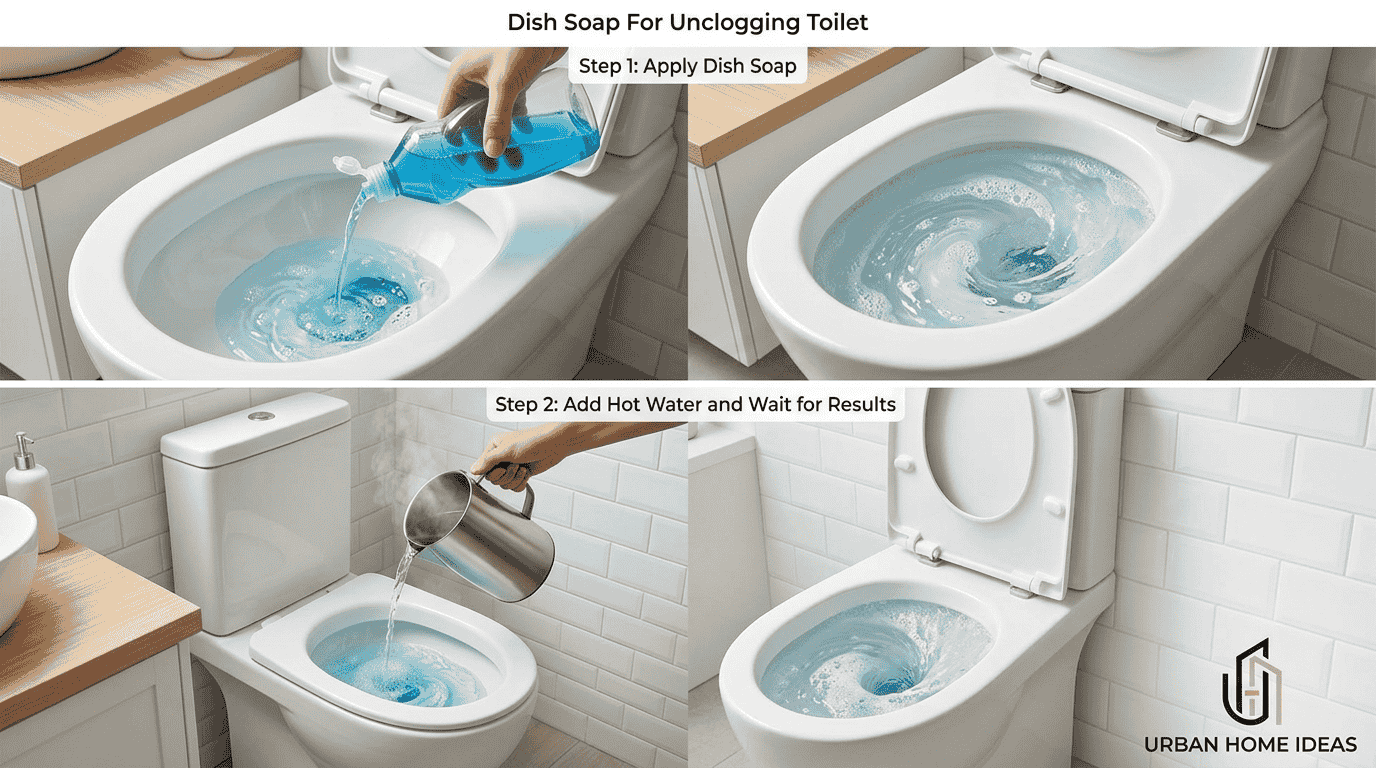
Dish soap for unclogging toilet is a practical household method that uses dish soap, lubricant, and hot water to help clear a toilet clog. This approach supports unclogging by reducing friction around a blockage inside the toilet bowl and helping a minor obstruction move through the drain pipe. It is commonly considered a simple DIY solution before using advanced plumbing tools.
- Dish Soap For Unclogging Toilet
- How To Use Dish Soap For Unclogging Toilet
- Add Dish Soap Into The Toilet Bowl
- Allow The Soap To Settle
- Add Hot Water Slowly
- Flush And Check The Drain
- Dish Soap In Toilet Overnight
- Best Dish Soap For Unclogging Toilet
- How To Unclog A Toilet Without A Plunger When The Water Is High
- How To Unclog A Toilet Fast
- Fast Clearing Approach
- Unclog Toilet With Hot Water And Dish Soap
- How Hot Water Supports Dish Soap Action
- Unclog Toilet With Dish Soap And Baking Soda
- How Dish Soap And Baking Soda Work Together
- Unclogging A Toilet Without A Plunger
- How Does Dish Soap Help Unclog A Toilet?
- What You Need To Unclog A Toilet With Dish Soap
- Required Supplies
- Let The Dish Soap Sit
- Add Hot Water
- Wait And Flush
- Tips For Better Results
- Helpful Practices
- Important Safety Notes
- When To Call A Professional Plumber
- Combining Dish Soap With A Plunger
- Why Hot Water Should Not Be Boiling
- Risk Of Temperature Damage
- Safer Water Temperature Choice
- Limitations Of The Dish Soap Method
- Situations Where Dish Soap May Not Work
- Understanding The Method’s Effectiveness
- What Is The Quickest Way To Unclog A Toilet?
- Can Dish Soap Really Unclog A Toilet?
- How Much Dish Soap Should You Use To Unclog A Toilet?
A clogged toilet can interrupt daily routines, but not every blockage requires immediate professional assistance. Many minor clogs happen because materials become trapped inside the toilet’s internal pathway, restricting normal water movement. Dish soap provides a slippery coating that may improve movement through the pipe while working alongside warm water.
This method is especially useful for soft obstructions where lubrication can make a difference. However, understanding the limits of this household technique is important because severe blockage, foreign objects, and deeper sewer line problems may require specialized solutions.
Dish Soap For Unclogging Toilet
Dish soap works as a household aid because its cleaning properties allow it to act as a lubricant around a clog. When added to a toilet, the soap creates a smoother surface that may help reduce resistance between the obstruction and the inside walls of the plumbing system.
The effectiveness depends on the type of clog. A soft clog caused by common waste materials may respond better compared with hard objects or serious drainage problems. The method is affordable because dish soap is already available as a common household item.
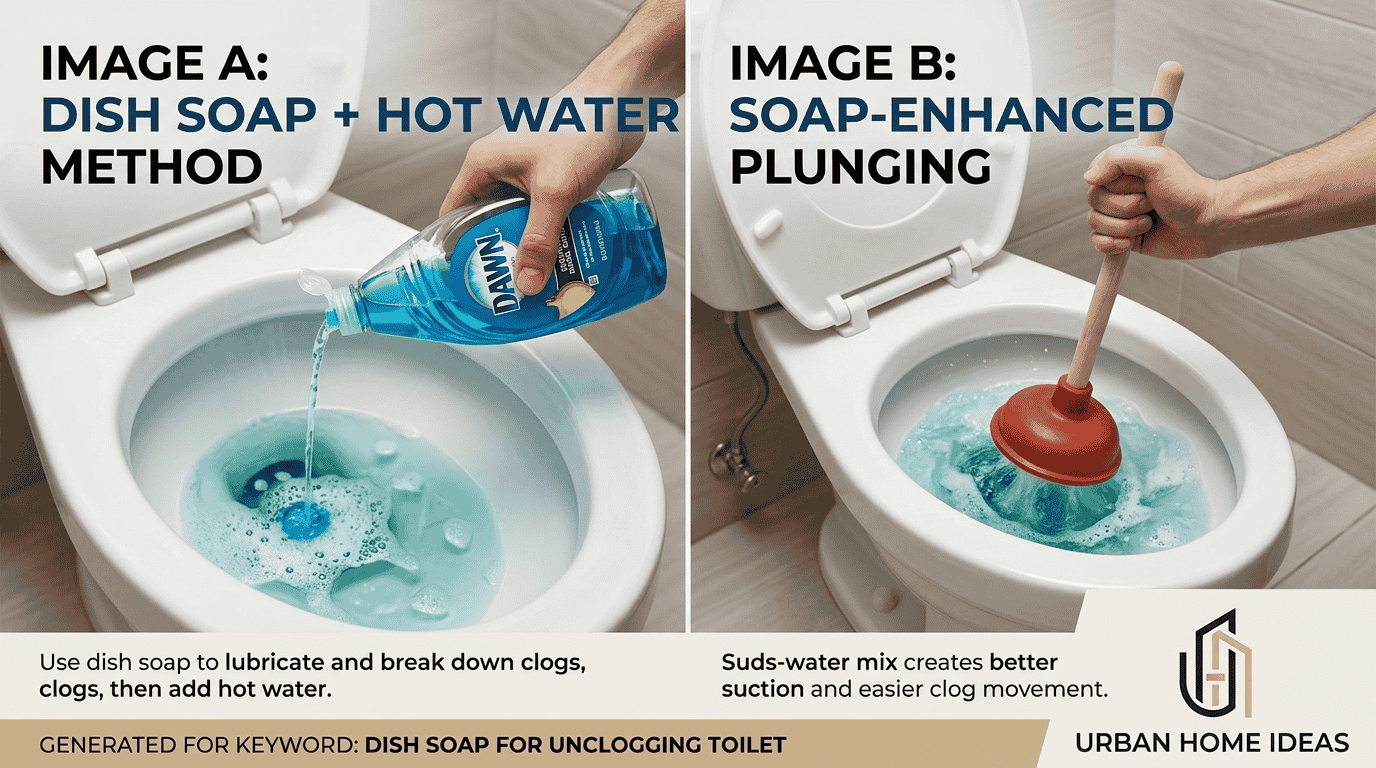
The process combines lubrication, controlled water movement, and patience. Instead of forcing the blockage immediately, the soap helps prepare the drain area so the clog can shift more easily.
How To Use Dish Soap For Unclogging Toilet
Using dish soap correctly requires controlled application rather than adding excessive amounts. The goal is to allow the soap to reach the blocked area and provide enough lubrication to support movement through the plumbing pathway.
Add Dish Soap Into The Toilet Bowl
The first step is to pour dish soap directly into the toilet bowl. A typical amount ranges from half cup to one cup of liquid soap, depending on the condition of the clog.
The soap should remain in the bowl long enough to reach the blockage. This allows the lubricant to spread around the obstruction and begin loosening the material.
Allow The Soap To Settle
After adding soap, a waiting period gives the solution time to work. The recommended wait time may vary depending on the clog, with some situations requiring around 15 minutes, 30 minutes, or up to one hour.
During this period, the soap can help soften the blockage and improve the chances of the clog moving through the pipe.
Add Hot Water Slowly
After the soap has settled, hot water can be added carefully using a bucket or container. The water should be poured slowly to prevent overflow.
The combination of dish soap and warm water may help loosen the clog, but extremely hot temperatures should be avoided. Boiling water can create thermal shock, which may cause a ceramic toilet to crack.
Flush And Check The Drain
Once enough time has passed, flushing can show whether the clog has cleared. If the blockage remains, the process may be repeated carefully while monitoring the water level.
Dish Soap In Toilet Overnight
Leaving dish soap in toilet overnight is a method some households consider when a clog needs a longer waiting period. Instead of applying immediate force, the extended contact time allows the soap to continue providing lubrication around the blockage.
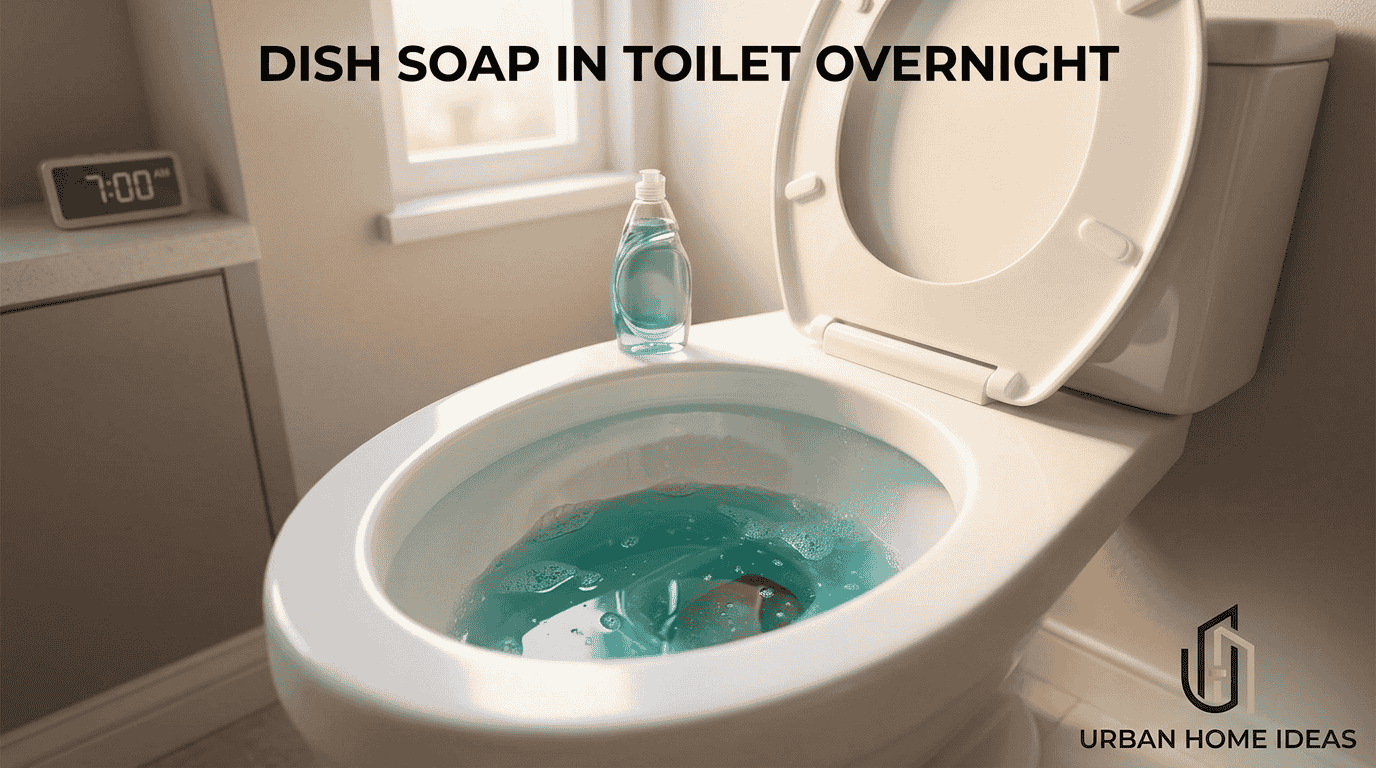
This approach focuses on gradual softening rather than quick pressure. The soap may help reduce resistance inside the pipe by creating a smoother surface around the obstruction. It is generally more suitable for a minor clog where the material causing the restriction can respond to lubrication.
How Overnight Dish Soap Works
During an extended period, the dish soap remains in contact with the affected area of the toilet. This can support the softening process and improve movement through the drain.
The method is considered a basic household method for situations where the clog is not severe. It can also be viewed as part of routine toilet maintenance, especially when users want to avoid unnecessary use of stronger chemicals.
However, leaving soap overnight is not a guaranteed solution for every toilet issue. A deeper blockage, hard material, or foreign item may continue blocking water flow despite the longer contact time.
Best Dish Soap For Unclogging Toilet
The best dish soap for unclogging toilet situations is usually one that provides strong cleaning ability while creating effective lubrication. The goal is not only cleaning but also helping reduce friction between the clog and the inner surface of the plumbing pathway.
Important Dish Soap Features
A suitable option may include:
- Grease-cutting ingredients that help loosen buildup.
- A smooth liquid detergent texture for better movement.
- Strong soap properties that support lubrication.
- Effective cleaning ability as a household cleaner.
Dish soap can assist with clog removal when the toilet blockage is caused by softer materials. Its ability to support pipe movement makes it useful for certain situations, but it should not be considered a replacement for professional plumbing methods.
A quality dish soap may provide an effective solution for a small restriction, while a serious minor obstruction or deeper plumbing concern may require another approach.
How To Unclog A Toilet Without A Plunger When The Water Is High
Dish soap for unclogging toilet is a DIY solution and household solution for a toilet clog when water is high or high water level creates difficulty. This plunger-free method uses dish soap to lubricate through lubrication, while users stop water flow, pour hot water from waist height, and apply pressure to help force it down. The unclogging method may support clog removal by moving a blockage, toilet blockage, or obstruction through the drain without no plunger.
How To Unclog A Toilet Fast
A quick method for a toilet problem depends on the type of clog and the tools available. Dish soap can support a faster process when combined with the right technique, especially for a simple toilet clog.
Fast Clearing Approach
A faster unclogging attempt may involve:
- Adding dish soap to improve lubrication.
- Using hot water to support movement.
- Applying a toilet plunger to create pressure.
- Checking whether the blockage begins moving.
The combination of lubrication and pressure can help clear a clog more efficiently. The soap reduces resistance while the plunger creates movement inside the drain.
A fast solution is more likely with a small blockage. A larger obstruction may require additional plumbing tools or professional support.
Unclog Toilet With Hot Water And Dish Soap
Unclog toilet with hot water and dish soap is a common approach that combines hot water, dish soap, and controlled pressure to support the removal of a blockage. This method works by allowing the soap to act as a lubricant while the water helps loosen material around the obstruction inside the toilet bowl.
How Hot Water Supports Dish Soap Action
Dish soap for unclogging toilet is a useful unclogging method that combines dish soap and hot water to support blockage removal. The process uses soap action, heat, and increased temperature to improve lubrication during drain cleaning. This approach may help a toilet clog because molecule movement supports grease breakdown, melting fats, and faster cleaning when removing soft buildup.
Unclog Toilet With Dish Soap And Baking Soda
Unclog toilet with dish soap and baking soda combines common household ingredients to create another DIY approach for dealing with a toilet blockage. Dish soap provides lubrication, while baking soda is often used as part of a household cleaning method.
How Dish Soap And Baking Soda Work Together
The combination may help with a soft clog by supporting loosening and movement inside the drain. The process focuses on reducing resistance rather than forcing the blockage.
The method typically involves:
- Adding dish soap into the toilet bowl.
- Introducing baking soda as a household ingredient.
- Allowing time for the mixture to work.
- Checking whether the clog begins moving.
This approach is mainly useful for minor restrictions. It may not be effective against hard materials, large objects, or a severe obstruction.
When This Method Is Suitable
Dish soap and baking soda may be considered when the toilet issue involves:
- A small toilet clog.
- A slow-moving blockage.
- A soft obstruction inside the drain.
For deeper plumbing problems, additional tools or professional assistance may be required. A repeated blockage can indicate an issue beyond the toilet bowl itself.
Unclogging A Toilet Without A Plunger
Dish soap for unclogging toilet is a simple DIY solution that uses dish soap and hot water as a plunger-free method to unclog a toilet. This approach helps with unclogging a toilet without a plunger by providing lubrication around a toilet blockage and blockage, helping break down the obstruction. The simple mix supports clog removal through the drain for minor toilet issues.
How Does Dish Soap Help Unclog A Toilet?
Dish soap for unclogging toilet is a household method where dish soap helps clear a toilet blockage by working as a heavy-duty lubricant. The soap provides lubrication inside the pipes, helping greases pipes and improve pipe movement. It may support clog removal by loosening organic waste, paper, and toilet paper buildup while reducing obstruction inside the drain.
What You Need To Unclog A Toilet With Dish Soap
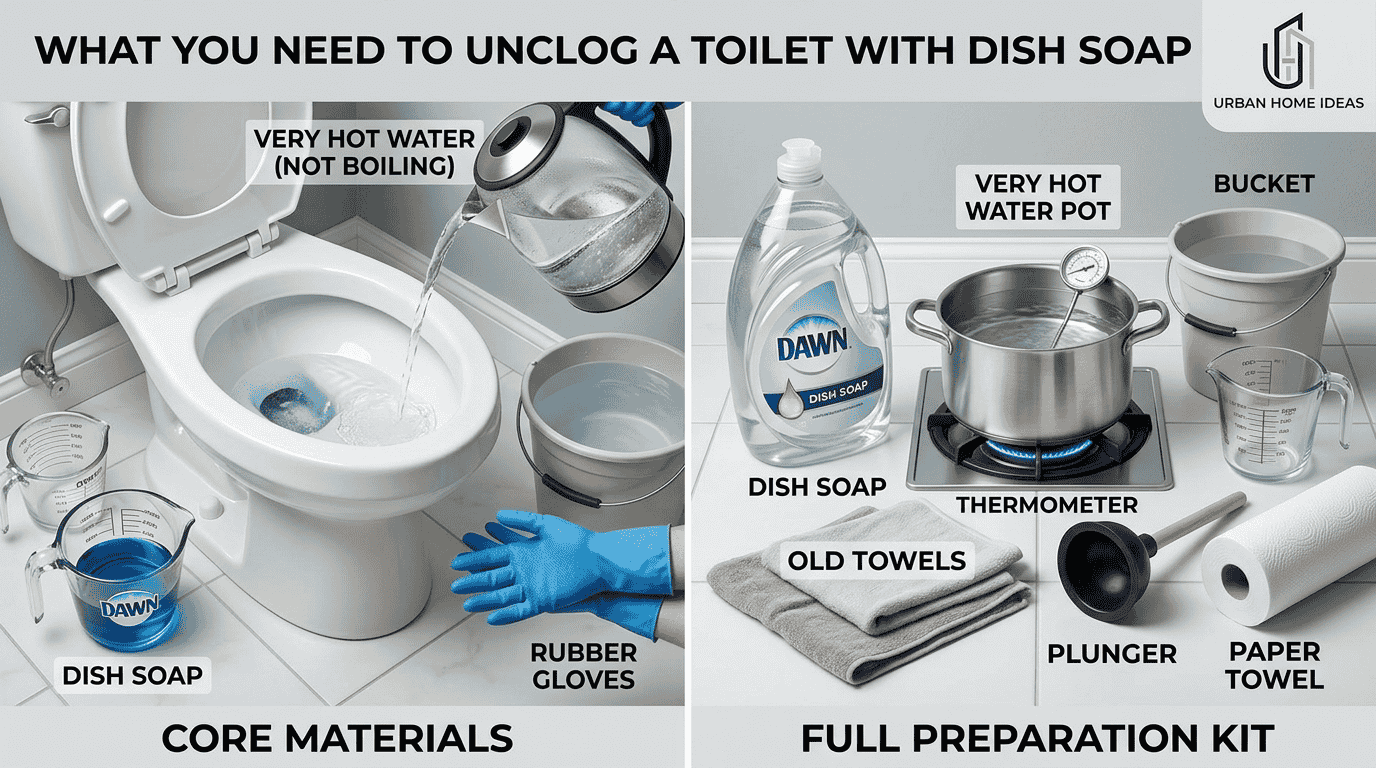
Before starting the process, several basic supplies can make the method easier.
Required Supplies
- Dish soap
- Hot water
- Bucket
- Container
- Toilet plunger (optional)
- Basic unclogging tools
These household supplies support a simple DIY plumbing approach. Having preparation materials ready helps avoid unnecessary delays while handling a clogged toilet.
Add Dish Soap To The Toilet Bowl
Adding dish soap directly into the toilet bowl is one of the first steps in this unclogging method. The purpose is to create a slippery layer around the blockage and improve lubrication between the clog and the surrounding surface.
Applying The Right Amount Of Soap
The amount of soap depends on the condition of the toilet. A common recommendation is:
- Half cup of dish soap for a smaller restriction.
- Up to one cup when dealing with a more noticeable clog.
The liquid soap should be poured slowly into the bowl so it spreads around the affected area. The soap layer helps coat the obstruction and may allow it to move toward the drain opening.
Understanding Clog Severity
The amount used can vary based on clog severity. A small buildup may need less soap, while a thicker blockage may require more time for the lubricant to work.
Dish soap does not break apart every type of blockage. Its main role is reducing friction and helping materials move through the plumbing pathway.
Let The Dish Soap Sit
After adding soap, allowing it to sit gives the solution time to interact with the clog. This waiting stage is important because immediate flushing may remove the soap before it has enough contact with the blockage.
Why Waiting Improves Results
During the waiting period, dish soap can:
- Spread around the clog.
- Improve lubrication.
- Help soften the material.
- Reduce resistance inside the drain pipe.
A recommended waiting time may range from 15 minutes, 30 minutes, or up to one hour, depending on the severity of the toilet issue.
The process works best when the blockage is located near the toilet bowl area and is made of softer materials.
Add Hot Water
Adding hot water after the soap has settled can support the unclogging process. The warm temperature helps loosen the blockage while the soap continues working as a lubricant.
Safe Hot Water Application
The recommended approach includes:
- Using a bucket to control the amount.
- Pouring slowly into the toilet bowl.
- Avoiding sudden temperature changes.
- Monitoring the water level.
Careful pouring helps prevent overflow and protects the toilet structure.
Why Boiling Water Should Be Avoided
Using boiling water creates unnecessary risk. A sudden temperature difference can cause thermal shock, which may lead to a crack in a ceramic fixture.
Extreme heat can result in:
- Ceramic toilet damage.
- Toilet damage.
- Stress on the plumbing fixture.
- Potential repair costs.
A safer alternative is hot but not boiling water applied gradually.
Wait And Flush
After adding dish soap and hot water, the next step is allowing enough time before flushing. The mixture needs time to work around the blockage and improve movement through the drain.
Checking Whether The Clog Cleared
When flushing:
- Observe whether water drains normally.
- Check if the blockage has moved.
- Avoid repeated flushing if water rises.
Successful treatment should restore normal toilet movement and improve drain flow.
If the clog remains, another attempt may be possible. However, repeated unsuccessful attempts may indicate a larger plumbing problem.
Tips For Better Results
Improving the success rate of dish soap methods depends on using the correct approach and avoiding common mistakes.
Helpful Practices
- Choose a quality dish soap with effective cleaning ingredients.
- Look for grease-loosening ingredients that support lubrication.
- Combine soap with a toilet plunger when additional pressure is needed.
- Use warm water instead of boiling water.
- Monitor the water level to avoid overflow.
A plunger can create additional movement by applying pressure, while dish soap supports friction reduction around the clog.
Using the correct plumbing method improves the chances of successful clog removal.
Important Safety Notes
Although dish soap is a simple household option, safety is important when handling a blocked toilet.
Avoid Common Risks
Users should avoid:
- Pouring boiling water into the toilet.
- Applying excessive force.
- Ignoring a persistent obstruction.
- Repeating the method when a serious blockage exists.
High temperatures can cause thermal shock, damaging a ceramic bowl and creating a possible crack.
Know When The Method Is Limited
Dish soap may help with minor issues, but severe blockage, foreign objects, and deeper plumbing concerns may require professional solutions.
Using proper caution prevents unnecessary toilet damage and protects the plumbing system.
When To Call A Professional Plumber
A professional plumber may be needed when basic methods fail or when the blockage indicates a larger issue.
Signs Professional Help Is Needed
Professional assistance is recommended for:
- Persistent clog problems.
- A deep blockage inside the system.
- A serious obstruction.
- Problems involving the sewer line.
- Drainage issues that continue after attempts.
A plumber may use specialized equipment such as a toilet auger to reach deeper areas that household methods cannot access.
Professional equipment can identify whether the issue is a simple clog or a larger plumbing problem requiring expert assistance.
Combining Dish Soap With A Plunger
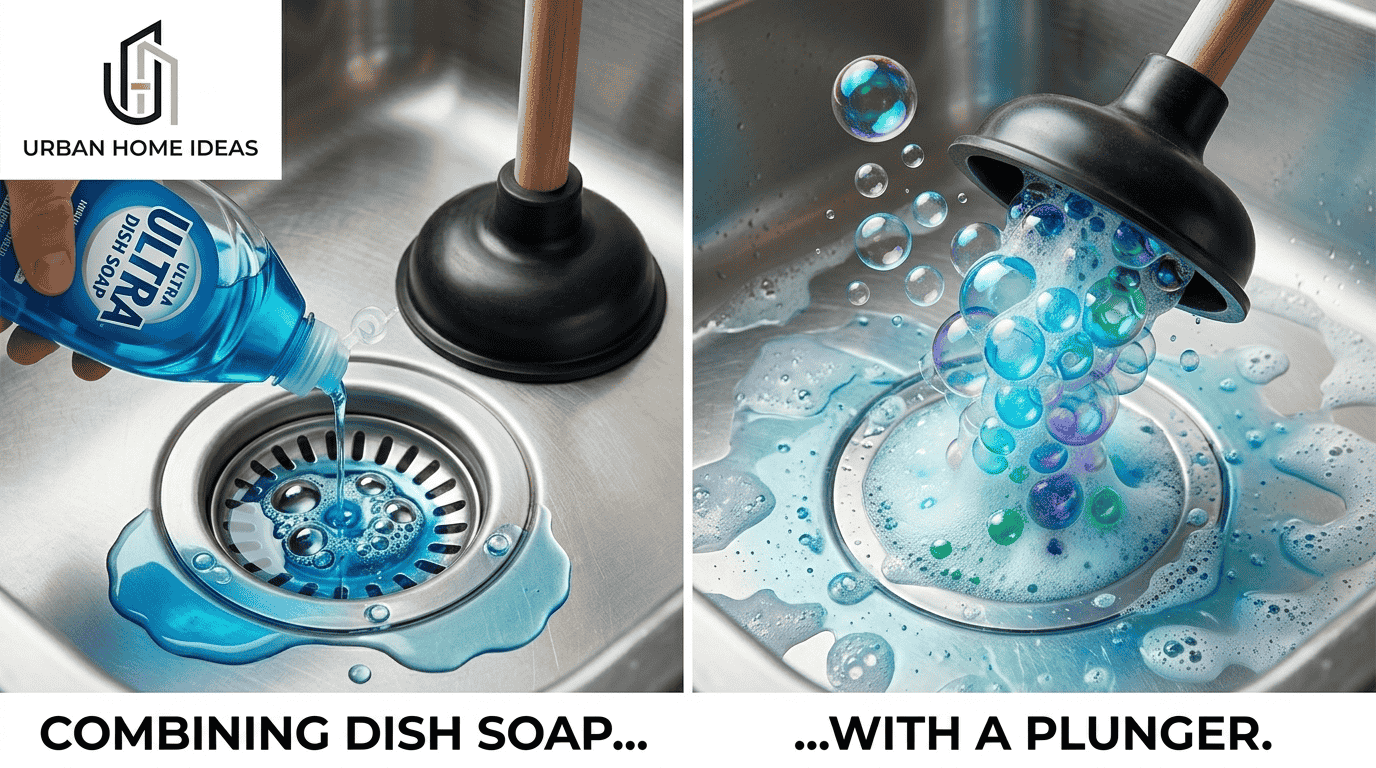
Combining dish soap with a plunger can improve the unclogging process because both methods work in different ways. Dish soap acts as a lubricant by reducing friction around the blockage, while the plunger creates pressure that helps move the clog through the toilet pathway.
How Soap And Pressure Work Together
The soap creates a smoother surface around the clog movement area, making it easier for pressure from the plunger to shift the obstruction.
This combination can help with:
- Reducing friction reduction around the blockage.
- Improving movement inside the toilet bowl.
- Supporting better flow through the drain pipe.
- Increasing the chance of successful clog removal.
A plunger works best when the toilet contains a manageable amount of water. Too much water can increase the risk of splashing, while too little water may prevent proper pressure formation.
When To Use This Combination
The dish soap and plunger method is useful when:
- The clog is caused by common waste materials.
- The blockage is not severe.
- The obstruction is still accessible from the toilet bowl area.
If pressure does not move the blockage, forcing the plunger repeatedly may not solve the issue and could indicate a deeper plumbing concern.
Why Hot Water Should Not Be Boiling
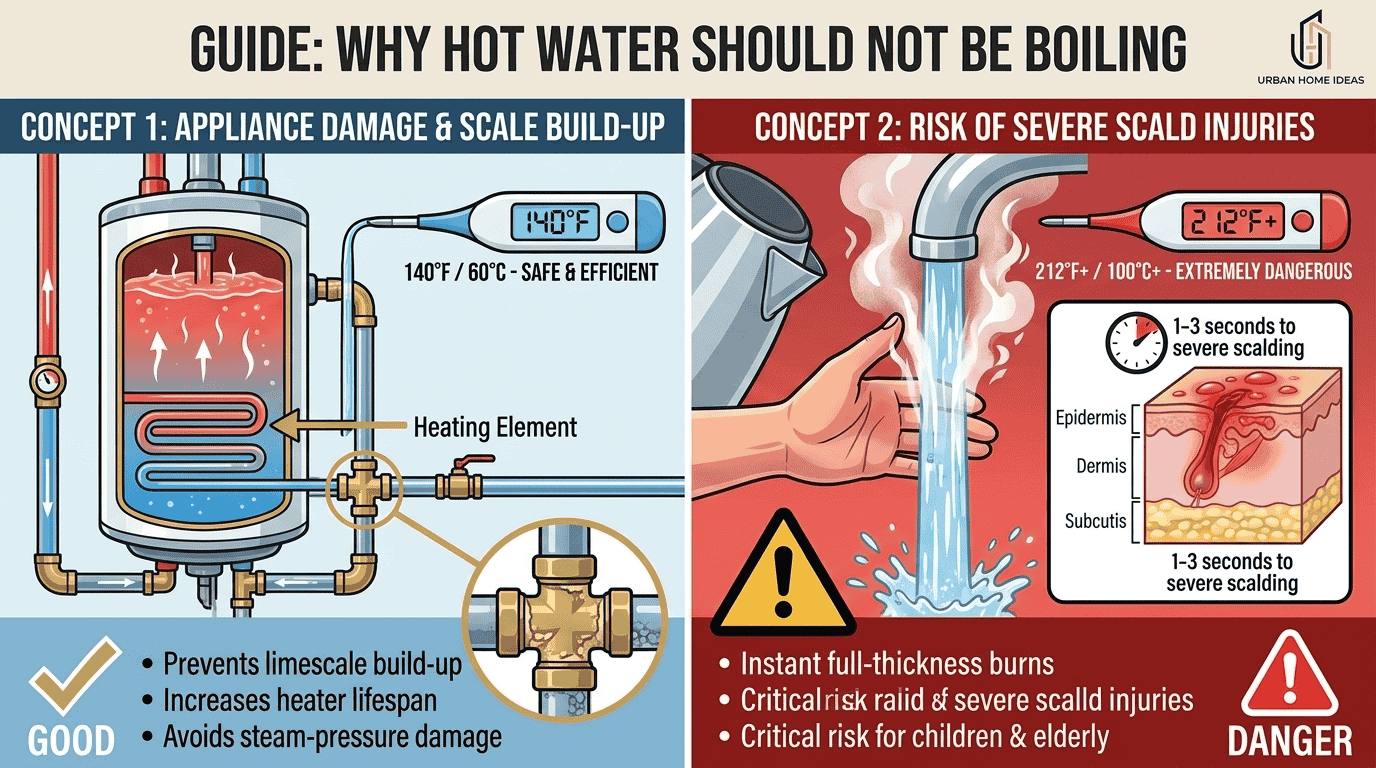
Many people assume hotter water will provide better results, but boiling water is not recommended for toilet unclogging. The issue is not effectiveness but safety.
Risk Of Temperature Damage
A sudden temperature change can create thermal shock in the toilet structure. Since many toilets contain ceramic components, extreme heat may weaken the material.
Possible problems include:
- Ceramic toilet bowl damage.
- A visible crack.
- Long-term stress on the fixture.
- Expensive toilet replacement.
Safer Water Temperature Choice
Using warm or hot water at a controlled temperature is a safer approach. It allows the dish soap to continue providing lubrication without creating unnecessary stress on the plumbing fixture.
Slow pouring also reduces the chance of splashing and helps maintain control over the toilet’s water level.
Limitations Of The Dish Soap Method
The dish soap method is useful for certain situations, but it has clear limitations. It is designed mainly for simple toilet problems rather than complex plumbing failures.
Situations Where Dish Soap May Not Work
Dish soap may have limited effectiveness when dealing with:
- A severe blockage.
- A hard foreign object trapped inside the toilet.
- A deeper pipe issue.
- A recurring plumbing problem.
The method works by lubrication and movement, not by cutting through solid materials or repairing damaged plumbing.
Understanding The Method’s Effectiveness
A soft clog caused by common waste may respond well because lubrication helps reduce resistance. However, a major obstruction may require a professional solution.
When the issue continues despite several attempts, using professional tools or contacting a plumber is often more effective than repeating the same DIY process.
What Is The Quickest Way To Unclog A Toilet?
Dish soap for unclogging toilet is a practical method where the quickest way to unclog a toilet involves choosing the right plumbing tool. The quickest method and effective way often includes a flange plunger or toilet plunger with a soft rubber flap and rubber flap design, creating a tight seal. Proper pressure and plunger technique can apply force to loosen a blockage, supporting clog removal when facing a toilet clog, drain obstruction, and blockage loose.
Can Dish Soap Really Unclog A Toilet?
Dish soap for unclogging toilet is a practical household method that uses dish soap to unclog toilet issues through unclogging support. It may help clear a blockage caused by organic waste and toilet paper, improving clog removal for a toilet clog. This approach can assist with waste material, bathroom blockage, plumbing issue, and drain obstruction situations.
How Much Dish Soap Should You Use To Unclog A Toilet?
Dish soap for unclogging toilet is a method using dish soap in the right amount and dish soap quantity. The measurement includes 1/2 cup (half cup) or 1 cup (one cup) as a recommended amount for soap usage to unclog a toilet during unclogging, helping address a toilet clog and support clog removal.
Other Post
9 Easy Steps To Wash Pillows In The Washing Machine
Best Mop For Laminate Floors: Keep Your Floors Looking New
How to Clean Grout Between Floor Tiles and Restore Its Unique Look
How To Clean Stone Countertops: Proven Tips For Granite, Quartz & Marble