

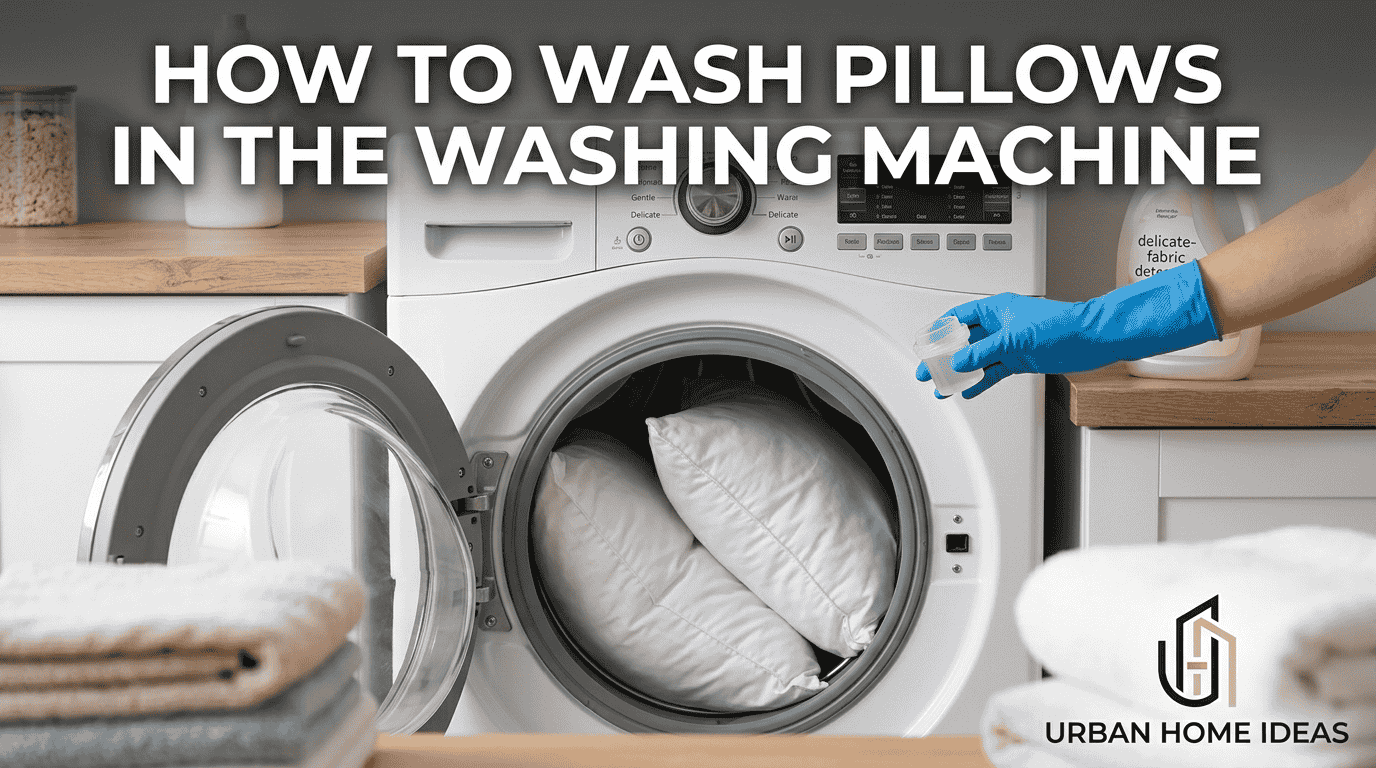
Keeping a sleeping space clean requires more than changing pillowcases regularly. How to wash pillows in the washing machine depends on understanding pillow materials, washing methods, and proper care techniques. Regular pillow cleaning helps remove sweat, body oils, dirt, dead skin, allergens, and dust mites that collect over time. Washable pillows such as synthetic pillows, polyester pillows, down pillows, and feather pillows can often be refreshed through the correct cleaning process, while materials like memory foam pillows and latex pillows need different handling.
- How To Wash Pillows In The Washing Machine?
- Can You Wash Pillows In The Washing Machine?
- Types Of Pillows And Their Washing Requirements
- Polyester/Synthetic Pillows
- Down Pillows
- Feather Pillows
- Cotton Fill Pillows
- Wool Pillows
- Memory Foam Pillows
- Latex Pillows
- Gel Pillows
- Buckwheat Pillows
- Shredded Foam Pillows
- Preparing Pillows For Washing
- How To Wash Pillows In The Washing Machine: Step-By-Step
- 1: Check The Care Label
- 2: Remove Covers And Protectors
- 3: Balance The Washer
- 4: Add Mild Detergent
- 5: Select An Appropriate Cycle
- 6: Choose Appropriate Water Temperature
- 7: Add An Extra Rinse
- 8: Use An Appropriate Spin Speed
- 9: Dry Completely
- Machine Settings At A Glance
- How Often Should You Wash Pillows?
- How To Dry Pillows Properly
- How To Clean Non-Machine-Washable Pillows
- Why Washing Your Pillows Is Essential
- Using Natural Remedies To Remove Odors
- How To Sanitize Pillows
- Maintaining Pillow Freshness Between Washes
- Tips For Keeping Pillows Fluffy And Fresh
- Common Mistakes To Avoid When Washing Pillows
- Signs It’s Time To Replace Your Pillow
- Common Questions About Washing Pillows
A clean pillow supports better sleep environment quality and improves overall bedroom hygiene. The right approach protects the pillow filling, maintains comfort, and extends the useful life of the pillow. Understanding the care label, choosing suitable settings, and following proper cleaning steps can make pillow maintenance easier and more effective.
How To Wash Pillows In The Washing Machine?
The process of how to wash pillows in the washing machine starts with identifying whether the pillow is suitable for machine cleaning. A pillow that carries a washable label can usually be cleaned with a gentle approach using the right temperature, detergent, and drying method.
Before placing pillows inside the washer, experts recommend checking the material and construction. Machine washable pillows usually include polyester, synthetic, down, and feather options. These fillings can handle controlled washing when treated carefully.
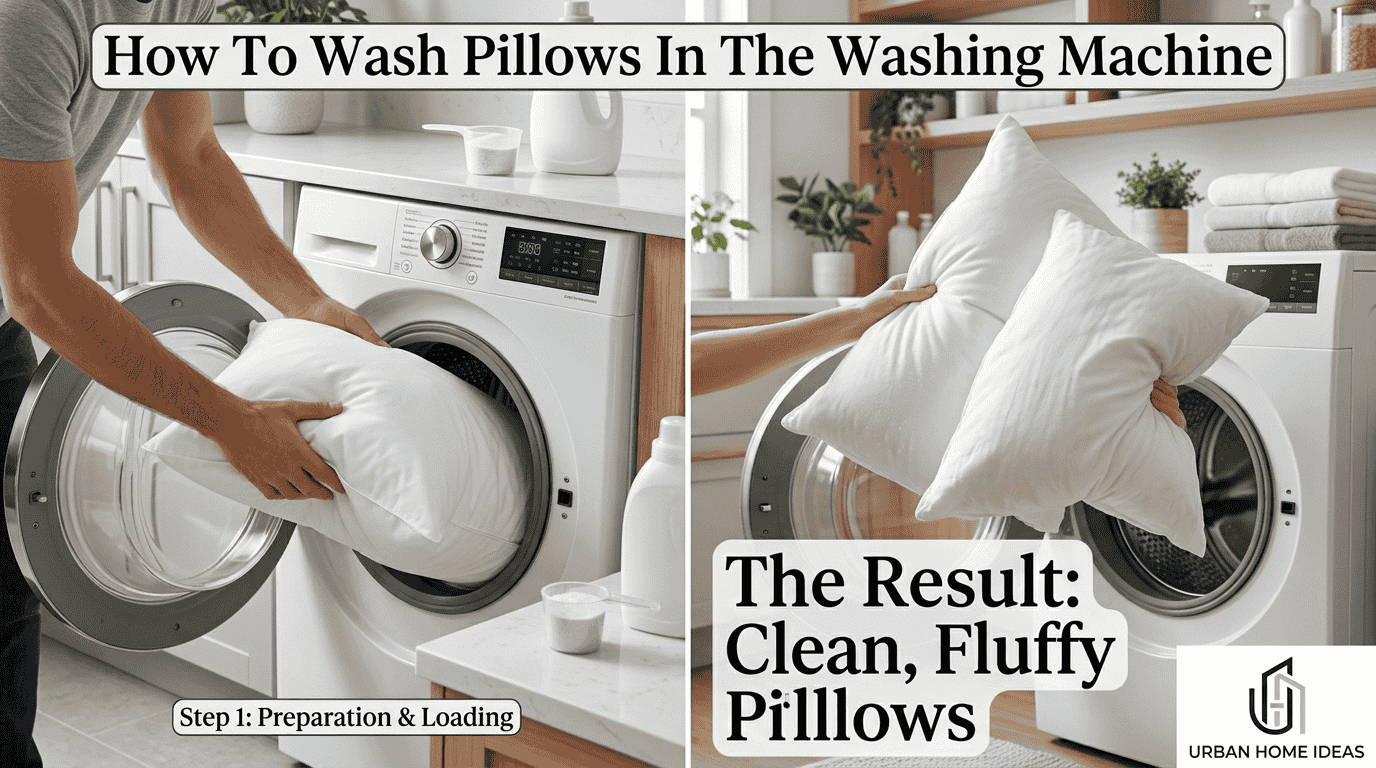
A washing machine can remove accumulated moisture, odors, and particles trapped inside pillow layers. However, the wrong method can create problems such as clumping, water retention, or damage to the pillow structure.
Can You Wash Pillows In The Washing Machine?
Not every pillow is designed for washing inside a machine. The first step is checking the care label because manufacturers provide specific washing instructions based on materials and construction.
Machine washable pillows commonly include:
- Synthetic pillows with polyester filling
- Polyester pillows designed for regular cleaning
- Down-filled pillows requiring gentle treatment
- Feather pillows that need complete drying
- Cotton-fill pillows with suitable washing instructions
A gentle cycle with mild detergent is generally preferred for delicate materials. Using the wrong process can lead to moisture buildup, poor drying, or permanent pillow damage.
Front-loading washers and top-loading washers can both clean suitable pillows, but maintaining pillow balance is important. Washing two pillows together can help distribute weight evenly and reduce pressure on the machine.
Pillows made from foam pillows, memory foam, latex, gel pillows, buckwheat pillows, and shredded foam pillows usually require alternative cleaning methods because water exposure can affect their internal structure.
Types Of Pillows And Their Washing Requirements
Polyester/Synthetic Pillows
Polyester pillows and other synthetic filling options are among the easiest pillows to maintain. Their durable material allows regular washing when the correct settings are selected.
A gentle wash cycle with mild detergent helps protect pillow fibers while removing dirt and odors. These pillows usually offer easy cleaning and quick drying compared with some natural fillings.
Down Pillows
Down pillows contain natural filling that requires careful handling. Machine washing is possible, but gentle treatment is necessary to protect the filling.
A delicate cycle, mild detergent, and thorough drying help maintain the fluffy filling. Proper drying also provides feather protection and prevents moisture problems inside the pillow.
Feather Pillows
Feather pillows can be cleaned through careful machine washing when the label allows it. Gentle washing protects the natural feathers and reduces feather clumping.
Complete drying is essential because remaining moisture can affect the pillow shape and create unwanted odors.
Cotton Fill Pillows
Cotton fill and cotton pillows may handle machine washing depending on their construction. Regular cleaning helps maintain natural fibers and freshness.
Following washing instructions prevents unnecessary wear and keeps the pillow comfortable.
Wool Pillows
Wool filling requires special attention because wool is a delicate material. Manufacturer instructions should always guide the cleaning process.
Incorrect methods can affect the texture and performance of wool pillows.
Memory Foam Pillows
Memory foam pillows should not be placed inside a washing machine. Foam structure can absorb water, causing moisture damage and long drying periods.
Instead, cleaning usually involves spot cleaning, surface cleaning, deodorizing, and air drying.
Latex Pillows
Latex pillows are not designed for machine washing. Excessive moisture exposure can cause structural damage to latex material.
Spot cleaning and proper maintenance help preserve latex comfort and durability.
Gel Pillows
Gel pillows contain special gel components that support comfort and temperature control. Machine washing may damage their internal structure.
Manufacturer guidelines should always be followed before cleaning.
Buckwheat Pillows
Buckwheat pillows require separate cleaning because their hulls should not be soaked. The removable cover can usually be washed independently.
Cleaning the pillow cover helps maintain freshness without damaging the filling.
Shredded Foam Pillows
Shredded foam pillows depend on manufacturer instructions because foam filling can react differently to moisture.
The correct cleaning method protects pillow performance and prevents filling damage.
Preparing Pillows For Washing
Before starting the washing process, proper cleaning preparation helps prevent damage and improves the final result. The first step is checking the care label because it provides important washing instructions based on the pillow material and construction.
The pillow should be inspected carefully before placing it inside the washer. A detailed pillow inspection helps identify loose seams, damaged areas, or existing problems that may become worse during cleaning.
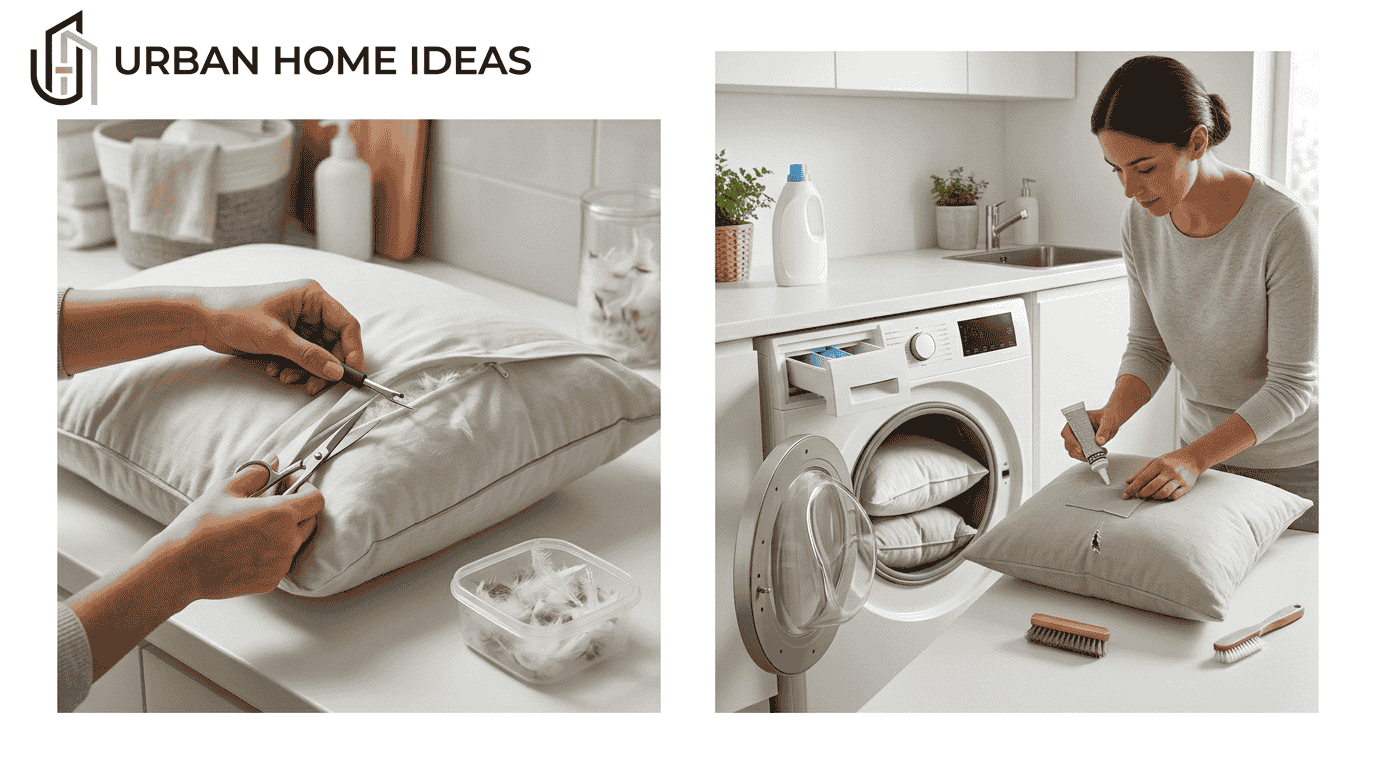
Removing the pillowcase and protective layers is also important. Pillowcase removal allows direct cleaning of the pillow surface, while a pillow protector can be washed separately according to its fabric requirements.
For visible marks, stain inspection and pre-treatment can improve cleaning results. Treating specific stains before the washing cycle allows the detergent to work more effectively.
Before starting, it is useful to prepare the right supplies, including mild detergent, suitable laundry products, and a washer with enough washing machine capacity for bulky items. Both a front loader and top loader can work when used correctly, but machines with a centre agitator may require additional care because they can compress or damage larger pillows.
For the drying stage, dryer balls can help maintain the shape of certain pillow types by improving filling distribution after washing.
How To Wash Pillows In The Washing Machine: Step-By-Step
1: Check The Care Label
The care label provides the foundation for safe pillow cleaning. It explains the correct washing instructions, suitable temperature settings, and recommended wash cycle.
Manufacturer recommendations are important because different pillow materials react differently to water, heat, and movement. Understanding the pillow material and checking cleaning permission before washing reduces the chance of unnecessary damage.
2: Remove Covers And Protectors
Before washing, remove pillowcases, external pillow covers, and pillow protectors. These layers often collect sweat, oils, and surface dirt separately from the pillow itself.
Removable covers can usually receive their own cleaning process. Separate washing helps protect the fabric while improving overall fabric cleaning results.
3: Balance The Washer
Maintaining washing machine balance prevents uneven movement during the cleaning cycle. When possible, washing two pillows together helps create better distribution inside the drum.
If only a single pillow requires washing, adding clean towels may help maintain drum balance. Proper balance supports even washing and improves washer stability.
4: Add Mild Detergent
Using the correct amount of detergent is important because pillow filling can trap cleaning products. A small quantity of mild detergent is usually enough for effective washing.
Too much laundry detergent may create excess foam and leave trapped soap inside the filling. Proper detergent use supports residue removal and keeps the pillow fresh after rinsing.
5: Select An Appropriate Cycle
The correct washing setting protects pillow materials during cleaning. A gentle cycle or delicate cycle is commonly suitable for washable pillows.
The selected washing settings should match the pillow type. Synthetic pillows, down pillows, and feather pillows often require careful handling to maintain fabric protection and filling quality.
6: Choose Appropriate Water Temperature
The right water temperature depends on the pillow material and manufacturer instructions. Some pillows perform better with cold water, while others may allow warm water.
Following care label instructions helps maintain the condition of the pillow material and ensures a safe washing temperature.
7: Add An Extra Rinse
An extra rinse cycle helps remove leftover detergent from inside the pillow. This step is especially useful because filling materials can hold soap residue.
Proper detergent removal leaves a cleaner filling and helps create a fresh pillow after washing.
8: Use An Appropriate Spin Speed
Selecting the correct spin speed helps remove excess water without putting unnecessary stress on the pillow.
Gentle spinning protects the pillow filling and reduces problems associated with delicate materials. Proper water extraction also makes the drying process easier.
9: Dry Completely
Complete drying is one of the most important parts of pillow care. Remaining moisture inside the filling can lead to unpleasant odors and damage.
Proper moisture removal reduces the chance of mildew prevention issues. Depending on the pillow type, low heat or air drying may be suitable.
The pillow filling should be checked carefully through a dampness check before returning it to the bed.
Machine Settings At A Glance
Choosing suitable machine settings improves washing results and protects pillow quality. The right combination of wash cycle, temperature, detergent amount, and spin speed depends on pillow construction.
Down pillows and feather pillows usually require delicate treatment, while synthetic pillows and cotton pillows may handle more regular cleaning methods.
An extra rinse can improve washing performance by removing leftover detergent and keeping the filling clean.
How Often Should You Wash Pillows?
Pillow cleaning frequency depends on usage, environment, and material. A regular wash frequency helps maintain better hygiene and comfort.
Many washable pillows benefit from cleaning every 3 to 6 months. People who experience heavy sweating, have pets, or deal with increased allergens may need more frequent maintenance.
Regular washing helps reduce dust mites, maintain pillow hygiene, and improve pillow freshness. Synthetic pillows, down pillows, feather pillows, and cotton pillows each have different care needs.
Foam pillows and latex pillows usually require spot cleaning rather than machine washing.
How To Dry Pillows Properly
After washing, drying pillows correctly determines whether they remain comfortable and hygienic. Even when the outside feels dry, the inside filling may still contain hidden moisture. Proper drying protects the pillow structure and prevents unpleasant problems.
Using a suitable dryer setting is important because excessive heat can affect some pillow materials. Many washable pillows perform well with low heat, while certain types may require natural drying methods.

Dryer balls can help separate the filling during the drying process. They encourage pillow fluffing and improve filling distribution, especially for down and feather pillows.
For pillows that support air drying, placing them in a well-ventilated area allows gradual drying without excessive heat exposure. Checking for complete dryness is necessary because remaining internal moisture can create a damp filling environment and increase the possibility of mildew problems.
How To Clean Non-Machine-Washable Pillows
Not every pillow belongs in a washing machine. Materials such as memory foam, latex, buckwheat, and some gel pillows require different cleaning approaches.
Machine washing can create structural damage because foam materials can absorb large amounts of water. Some pillows, including electric pillows, contain internal components that may be damaged by moisture.
For these pillow types, safer methods include spot cleaning, gentle vacuuming, and controlled cleaning with suitable products. Baking soda can help with odor control, while proper deodorizing and air drying support freshness.
Pillows with a removable cover are easier to maintain because the cover can be cleaned separately. Understanding proper foam care helps preserve comfort and performance.
Why Washing Your Pillows Is Essential
Regular pillow cleaning supports better personal hygiene and creates a healthier sleeping area. Over time, pillows collect dirt, bacteria, allergens, and particles from daily use.
A consistent cleaning routine removes buildup caused by sweat and body oils. Reducing these contaminants supports a cleaner healthy sleep environment and improves overall comfort.
Fresh bedding and clean pillows contribute to better bedroom hygiene. Proper maintenance can also support pillow lifespan by reducing unnecessary wear and keeping materials in better condition.
Using Natural Remedies To Remove Odors
Between deep cleaning sessions, natural methods can help maintain pillow freshness. Natural remedies are often used to reduce unwanted smells without aggressive chemicals.
Baking soda can absorb unpleasant pillow odors and support simple deodorizing routines. Allowing pillows to receive fresh air and sunlight may also help reduce moisture and refresh the surface.
Good ventilation improves airflow around pillows and supports odor removal. These methods work best as part of regular care between washes and a consistent cleaning routine.
How To Sanitize Pillows
Sanitizing pillows requires choosing methods suitable for the pillow material. Washable pillows can benefit from deeper cleaning approaches, while delicate materials require careful treatment.
Some cleaning routines use vinegar, baking soda, or fabric-safe cleaners depending on the pillow type. These methods support bacteria removal while maintaining pillow condition.
Proper sanitize pillows practices include following care instructions, using suitable cleaning processes, and maintaining regular hygiene maintenance.
Maintaining Pillow Freshness Between Washes
Keeping pillows fresh between washing cycles reduces buildup and extends comfort. Pillow protectors and clean pillow covers create an additional barrier against sweat, oils, and dust.
Frequent washing of removable covers helps control surface dirt. Regularly airing pillows supports moisture control and reduces the chance of odor problems.
Proper storage also matters. Dry storage protects pillows from excess humidity, while odor prevention and mildew prevention practices maintain freshness.
Consistent pillow maintenance helps preserve cleanliness and keeps pillows comfortable between deeper cleaning sessions.
Tips For Keeping Pillows Fluffy And Fresh
Pillows can lose their shape when filling becomes compressed over time. Regularly fluff pillows by gently shaking them helps restore their structure.
Simple habits like pillow rotation and allowing airflow can improve filling performance. Maintaining the original pillow shape reduces uneven pressure and prevents permanent flattening.
Avoiding uneven compression helps maintain the comfort level of the pillow. Proper care keeps the fresh filling feeling comfortable and supports better pillow comfort.
Common Mistakes To Avoid When Washing Pillows
Many pillow cleaning problems happen because of incorrect washing techniques. Using excess detergent can leave residue inside the filling and reduce freshness.
Washing unsuitable pillows is another common mistake. Materials like foam pillows may experience damage when exposed to machine washing.
Incorrect temperature choices, an overloaded washer, or an unbalanced washer can affect cleaning results. Poor rinsing may leave soap behind, while excessive dryer heat can damage materials.
Failing to achieve incomplete drying can increase the mildew risk and create long-term pillow damage.
Signs It’s Time To Replace Your Pillow
Cleaning cannot restore a pillow that has reached the end of its usable life. A flattened pillow, permanent lumps, or damaged filling often indicate replacement is needed.
Strong bad odors, visible discoloration, and reduced support are signs that maintenance may no longer solve the issue.
A pillow that causes uncomfortable sleep, shows pillow deterioration, or loses its poor shape and structure may no longer provide proper support.
Common Questions About Washing Pillows
Can You Wash Pillows In A Washing Machine?
Yes, many pillows can be cleaned in a washing machine if their pillow materials allow machine cleaning. Machine washable pillows such as polyester, synthetic, and some down pillows can usually be washed by following the correct cleaning instructions. Before starting, checking the care label helps confirm whether the pillow is suitable for washing and prevents unnecessary damage.
What Temperature Should You Wash Pillows At?
The correct water temperature depends on the pillow type and manufacturer recommendations. Some pillows can handle warm water, while others perform better with cold water to protect the filling and outer fabric. Following care instructions ensures safe washing without affecting the pillow fabric or reducing the pillow’s comfort.
How Much Detergent Should You Use?
A small amount of mild detergent is usually enough when cleaning pillows. Using too much detergent can create excess foam and leave soap residue inside the pillow filling. A suitable cleaning solution helps remove dirt and odors while making sure the pillow rinses properly after washing.
How Often Should Pillows Be Washed?
Most washable pillows benefit from a regular pillow washing frequency of around every 3 to 6 months. A consistent hygiene routine helps reduce the buildup of allergens and dust mites caused by sweat, oils, and daily use. Proper pillow care keeps pillows fresher and supports a cleaner sleeping environment.
Can You Wash Two Pillows At Once?
Yes, washing two pillows together can often improve washing machine balance because the weight is distributed more evenly inside the washer. Maintaining proper drum balance supports even cleaning and reduces unnecessary movement. However, the number of pillows should always match the available washer capacity.
How Do You Dry Pillows After Washing?
After washing, pillows should be dried completely to protect the filling and prevent moisture problems. Using low heat settings with suitable dryer balls can help maintain shape and improve fluffiness. Some pillows may also be suitable for air drying, but complete drying is necessary to ensure proper moisture removal.
Is Regular Pillow Washing Worthwhile?
Yes, regular cleaning helps maintain better pillow hygiene and keeps bedding fresher. Washing pillows can reduce the buildup of allergens and unwanted particles while supporting a longer pillow lifespan. A clean pillow contributes to a more comfortable and healthy sleep environment.
Why Do Pillows Turn Yellow?
Pillows often turn yellow because of repeated exposure to sweat, body oils, and trapped moisture over time. These factors can create visible stains and discoloration on the pillow surface. Regular cleaning of pillows and pillow covers helps reduce buildup and maintain a fresher appearance.