

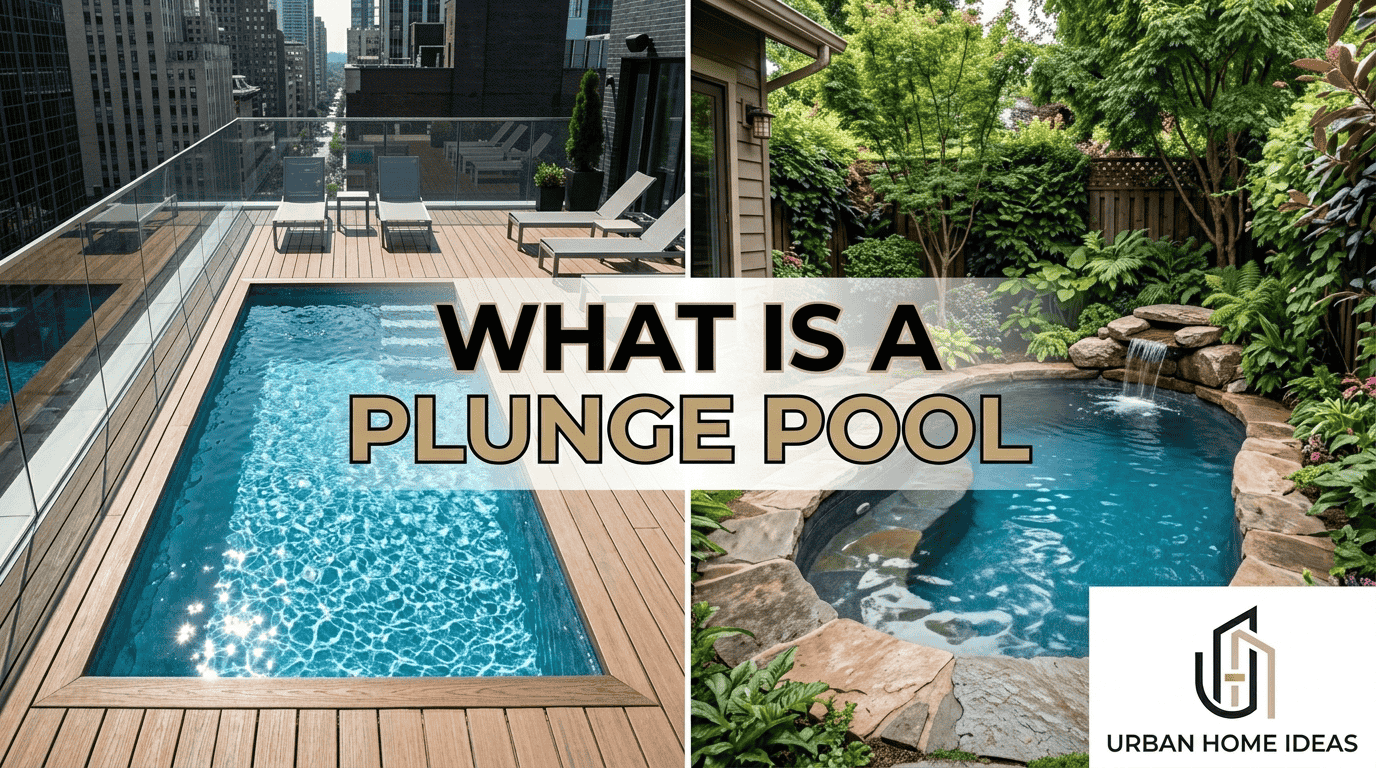
A plunge pool is a compact pool designed mainly for relaxation, cooling off, and soaking rather than long swimming sessions. This space-saving pool offers a refreshing backyard experience for homeowners who want a comfortable water feature without installing a full-sized swimming pool.
- What Is A Plunge Pool?
- How Big Is A Plunge Pool?
- Plunge Pool Vs Traditional Swimming Pool
- Benefits Of A Plunge Pool
- Space-Saving Design
- Lower Maintenance Requirements
- Year-Round Enjoyment
- Relaxation And Hydrotherapy
- Faster Installation
- Types Of Plunge Pools
- Concrete Plunge Pools
- Fiberglass Plunge Pools
- Cold Plunge Pools
- Heated Plunge Pools
- How Much Does A Plunge Pool Cost?
- Where Can You Install A Plunge Pool?
- Features And Customization Options
- Pros And Cons Of A Plunge Pool
- Who Should Consider A Plunge Pool?
- Frequently Asked Questions
Unlike a traditional swimming pool, a plunge pool requires less space and provides a peaceful outdoor retreat with lower operating costs and less maintenance. It works well for properties with a small backyard, especially where homeowners want a stylish luxury outdoor feature without using too much outdoor area.
Modern plunge pool designs improve backyard design by adding water elements to landscaped outdoor areas and creating a relaxing environment for refreshing dips. These pools are also known as a dipping pool, cocktail pool, small pool, or spool, depending on their size and features.
Some models combine elements of a hybrid pool, hot tub, and heated pool, allowing seasonal use and year-round enjoyment. With a focus on outdoor living, wellness, and hydrotherapy, this compact design creates a practical water experience for modern homes, including urban properties.
What Is A Plunge Pool?
A plunge pool is a small pool created as a compact pool solution for homeowners who want a relaxing water feature without needing a large swimming area. It is a shallow pool mainly used for primarily relaxation, cooling off, and light soaking instead of traditional swimming activities.
Unlike larger pools designed for exercise, a plunge pool is a specially designed pool that focuses on comfort and personal enjoyment. Its structure provides a peaceful soaking experience where users can relax, refresh, and enjoy water therapy within a limited space.
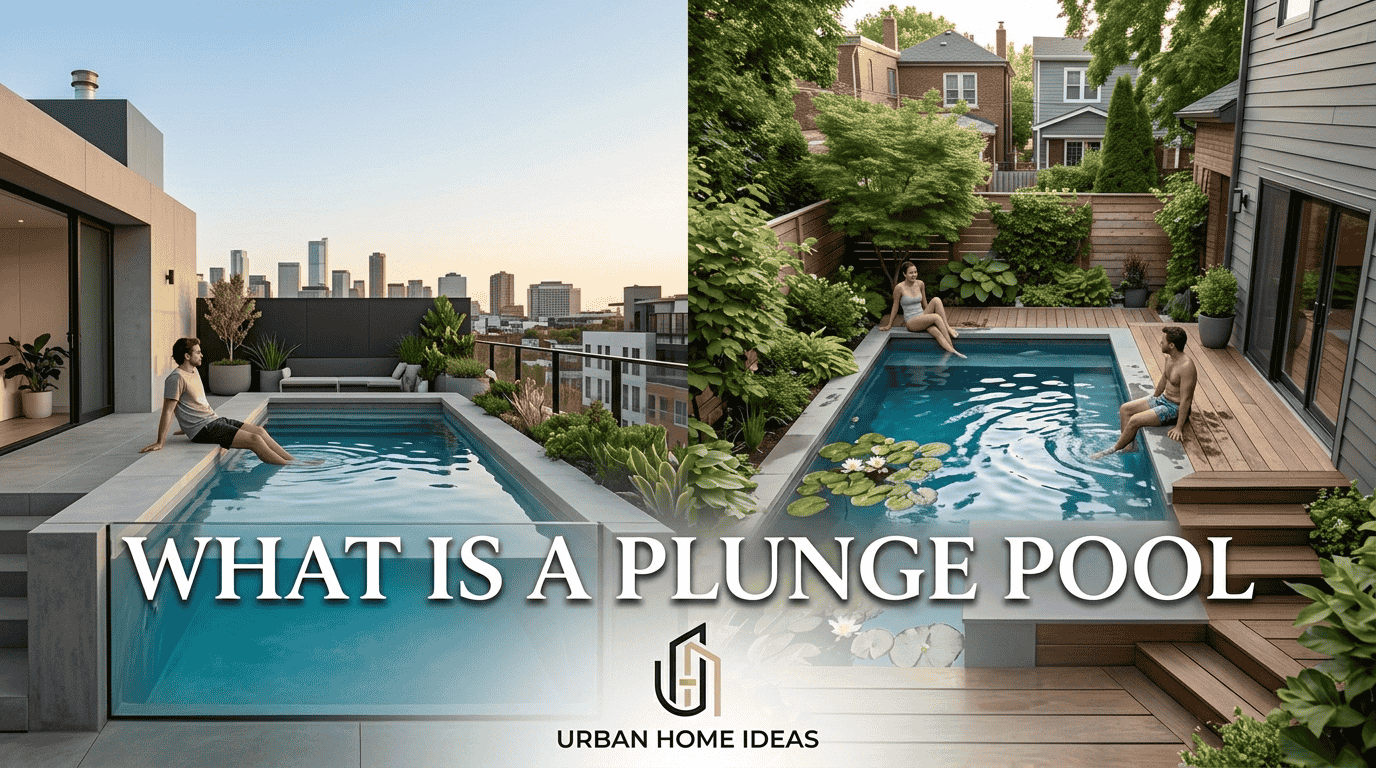
Many homeowners choose this type of outdoor pool because it works well as a stylish water feature for modern properties. While it offers limited swimming, it is not mainly built for swimming laps due to its smaller dimensions and purpose-driven design.
A plunge pool can also function as a leisure pool that enhances outdoor areas through practical compact design. It creates a comfortable environment where relaxation, visual appeal, and everyday enjoyment come together. For many residential pool projects, this option provides a balance between space efficiency and outdoor comfort.
How Big Is A Plunge Pool?
A plunge pool can vary in size depending on the available area, homeowner requirements, and intended use. A typical plunge pool usually measures around 10 to 20 feet long, 6 to 12 feet wide, and 4 to 6 feet deep, creating a comfortable balance between relaxation and practical outdoor design.
The dimensions of a plunge pool are planned according to the property layout and desired experience. A smaller design may focus on soaking and relaxation, while a slightly larger option can provide more usable swimming area and movement space.
The overall pool size depends on factors such as length, width, and depth. These measurements help determine how the pool fits into the installation area and the surrounding outdoor space.
A compact pool design is often selected for homes where space is limited. This small pool design allows homeowners to enjoy a private water feature while maintaining an attractive residential pool setup.
Before installation, professionals evaluate pool measurements carefully to ensure the structure matches the property requirements. The final design can create a dedicated soaking space while making efficient use of the available area.
Plunge Pool Vs Traditional Swimming Pool
A plunge pool and a traditional swimming pool serve different purposes, even though both provide outdoor water enjoyment. The main size difference is that a plunge pool has a smaller structure, while a traditional pool is built with more space for swimming, games, and larger activities.
The primary purpose of a plunge pool is relaxation, cooling off, and enjoying a peaceful water environment. A traditional pool is better suited for swimming laps, water games, and recreational activities that require more room. Because of its smaller size, a plunge pool is often ideal for homes with compact outdoor spaces.
A plunge pool requires less water capacity, which can make cleaning easier and reduce the need for many chemicals. These maintenance requirements are usually lower compared with a larger residential swimming pool. This makes it a practical option for homeowners who prefer simple pool comparison benefits.
However, traditional pools are better choices for large gatherings, active swimming, and families who need more space. A plunge pool works best for small gatherings, relaxation, and homeowners who want an efficient backyard pool solution focused on comfort and convenience.
Benefits Of A Plunge Pool
A plunge pool provides several advantages for homeowners who want a comfortable outdoor water feature without the requirements of a large pool. Its smaller structure supports relaxation, cooling, and a peaceful environment where people can enjoy water-based wellness activities.
One of the biggest benefits is the ability to create a stylish outdoor space with a compact pool design. This makes it suitable for homes where outdoor areas are limited but homeowners still want a premium backyard feature that improves their lifestyle.
A plunge pool supports outdoor living by adding a place for relaxation, refreshing moments, and personal enjoyment. Compared with larger pools, it offers efficient water usage and requires fewer resources for regular care, making it a practical choice for many residential settings.
The combination of comfort, appearance, and wellness creates a luxury experience that fits modern lifestyles. Many homeowners choose plunge pools because they provide wellness benefits, encourage year-round enjoyment, and transform a small outdoor area into a relaxing retreat.
Space-Saving Design
A plunge pool is an excellent choice for properties with limited outdoor space because its compact footprint allows homeowners to enjoy a water feature without requiring a large installation area. It provides a practical alternative for people who want a pool experience while maintaining enough space for other outdoor activities.
This design works especially well in a small garden, patio, or urban property where a traditional pool may not be suitable. Its flexible structure allows installation in different locations while creating a modern and attractive outdoor feature.
A plunge pool offers an efficient solution for residential design by making smart use of available areas. It can be integrated into a landscaped area to enhance the appearance of a backyard while maintaining a balanced outdoor environment.
Compared with a traditional pool, this compact design provides more installation flexibility and allows homeowners to create a relaxing outdoor setting without overwhelming the available space.
Lower Maintenance Requirements
A plunge pool is easier to manage because it has less water capacity compared with a larger traditional pool. The smaller size reduces the amount of water that needs treatment, making regular cleaning and chemical management simpler.
Because of its compact structure, the pool requires a more straightforward maintenance routine. Homeowners can complete regular tasks such as checking water quality, removing debris, and maintaining equipment with less effort compared with larger pool systems.
The smaller pool size improves water management and allows more efficient pool care. Reduced water volume also means fewer resources are needed, helping create reduced maintenance requirements while keeping the pool clean and comfortable.
For homeowners who want a relaxing water feature without demanding upkeep, a plunge pool provides a practical balance between enjoyment and easier maintenance.
Year-Round Enjoyment
A plunge pool can provide comfort throughout different seasons when designed with the right features. Adding a heating system allows homeowners to enjoy a warm soaking experience even during colder weather, while a refreshing summer dip provides relief during hot months.
Unlike pools that are mainly used during specific periods, a plunge pool offers seasonal flexibility through effective temperature control. A heated pool design can transform the water area into a relaxing space during colder months and improve outdoor usability.
With proper temperature control, homeowners can create a comfortable environment for outdoor relaxation throughout the year. This spa-like experience combines the benefits of a relaxing pool and wellness space, making it suitable for different climates and lifestyles.
A plunge pool designed for year-round use allows people to enjoy their outdoor area beyond traditional swimming seasons while maintaining comfort and relaxation.
Relaxation And Hydrotherapy
A plunge pool is often chosen for its ability to support relaxation and personal wellness. The smaller water space creates a comfortable environment where users can enjoy muscle recovery, release tension, and experience the calming effects of water.
Many homeowners use these pools for low-impact water activities because they provide gentle movement without putting excessive pressure on the body. A heated pool can create a relaxing atmosphere similar to a hot tub experience, especially when used for recovery and comfort.
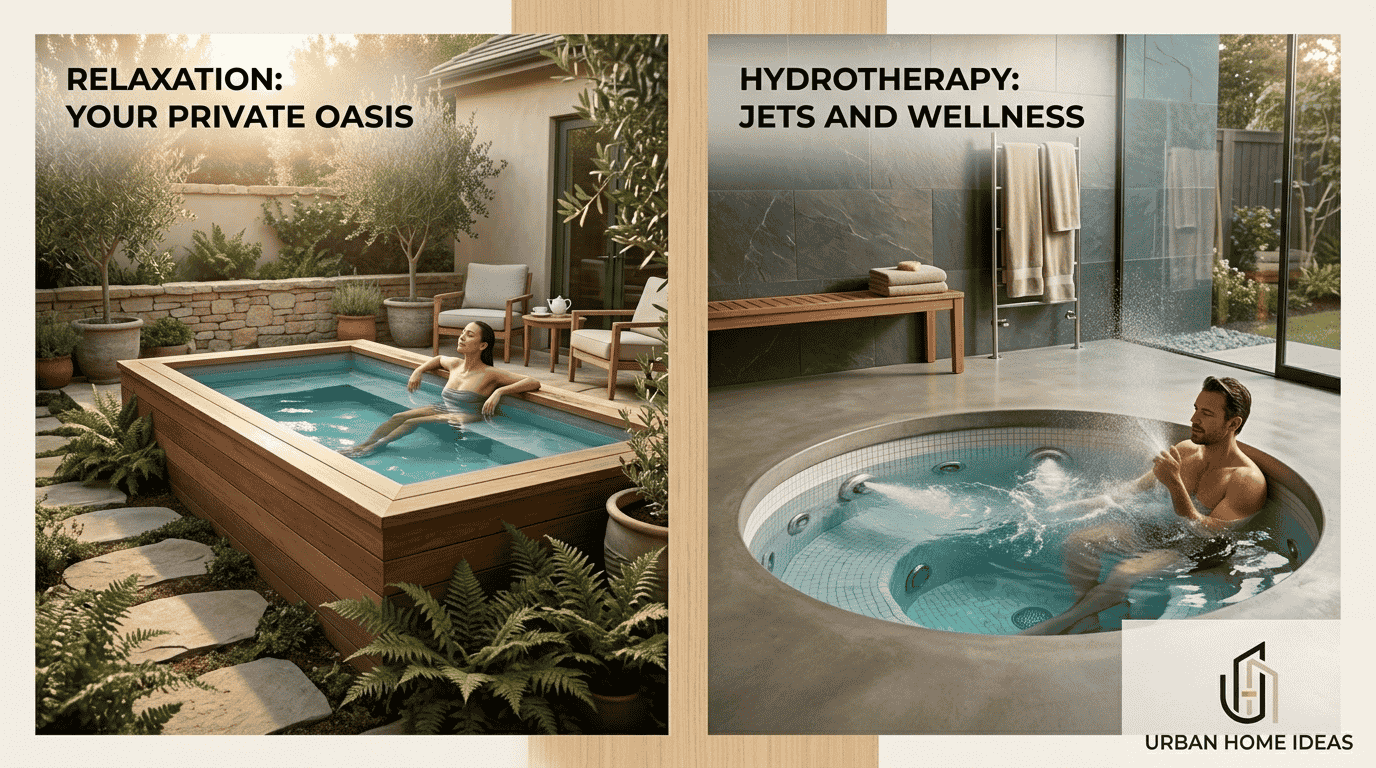
The combination of warm water, controlled depth, and peaceful surroundings supports wellness benefits through therapeutic water practices. Regular soaking can help improve comfort after physical activity and provide a dedicated space for recovery.
With its focus on comfort and health, a plunge pool offers a practical way to combine outdoor enjoyment with a personal wellness routine. Its design creates a relaxing environment where homeowners can enjoy improved comfort while benefiting from water-based relaxation.
Faster Installation
A plunge pool usually requires a shorter installation process compared with a large traditional pool because of its smaller size and simpler construction needs. The reduced structure can help decrease the overall pool project timeline while allowing homeowners to enjoy their outdoor space sooner.
Many modern options include a prefabricated pool design or a precast concrete pool that arrives partially prepared for installation. These solutions can provide a more efficient setup compared with a traditional custom-built pool that often requires longer construction periods.
The installation begins with a prepared space where the pool structure, plumbing, and required features can be added. Depending on the selected design, materials, and location, the ready installation process can be completed faster while maintaining durability and quality.
For homeowners planning an outdoor upgrade, a plunge pool offers a practical balance between design flexibility and a faster construction approach.
Types Of Plunge Pools
A plunge pool comes in different styles depending on materials, design preferences, and intended use. The most common options include concrete plunge pools, fiberglass plunge pools, cold plunge pools, and heated plunge pools. Each type offers unique features for different residential and wellness needs.
The selection of pool materials plays an important role in durability, appearance, and maintenance requirements. Modern pool designs can be customized for relaxation, recovery, or general outdoor enjoyment. Some homeowners prefer simple structures, while others choose advanced options with additional wellness features.
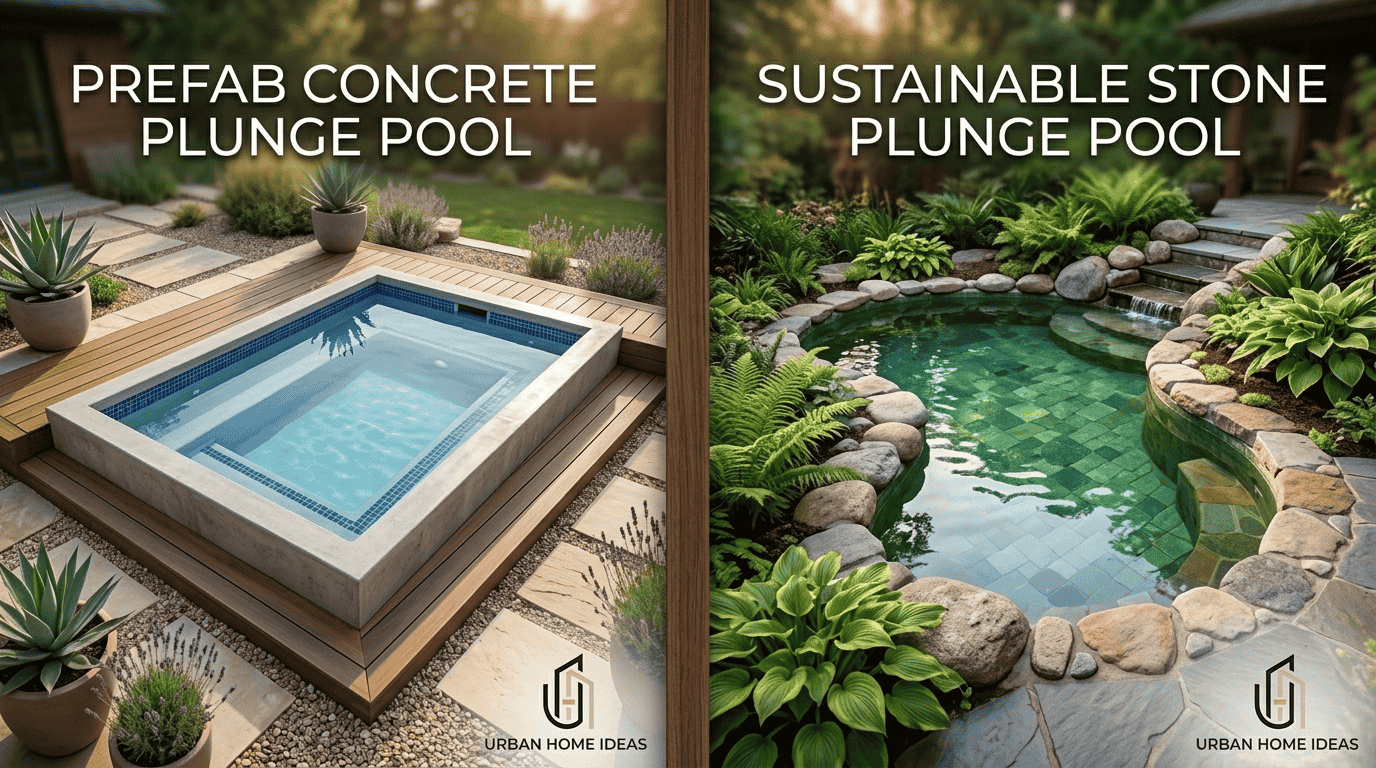
A cold plunge pool is commonly selected for wellness applications and recovery routines, while a heated version focuses on comfort and relaxation. A single shell pool design provides a ready-made structure, whereas customized options allow more flexibility according to outdoor requirements.
The right choice depends on the available space, lifestyle preferences, and desired features. With different customization options, plunge pools can support various residential installation goals while improving the overall outdoor environment.
Concrete Plunge Pools
A concrete plunge pool is a popular choice for homeowners who want flexibility in design and a long-lasting outdoor feature. Unlike pre-made options, concrete construction allows custom shapes and different finishes based on the overall style of the property.
The biggest advantage of this type is its ability to provide complete customization. A precast concrete option can offer faster preparation, while a partially completed pool allows additional design adjustments during the installation process.
Concrete is considered a durable material that can handle different outdoor conditions when properly maintained. It works well with various outdoor design concepts because homeowners can choose textures, colors, and decorative elements that match their landscape.
For those looking for a personalized pool solution, a concrete plunge pool provides design freedom while creating a strong and attractive addition to an outdoor space.
Fiberglass Plunge Pools
A fiberglass plunge pool is made from a manufactured shell that is produced in a controlled environment and installed as a complete structure. This single shell design helps reduce construction time because the pool arrives ready for placement in a prepared installation space.
The smooth surface of a fiberglass pool makes it a popular choice for homeowners who want a comfortable swimming area with easier upkeep. Its smooth surface helps prevent dirt buildup and supports a cleaner pool environment.
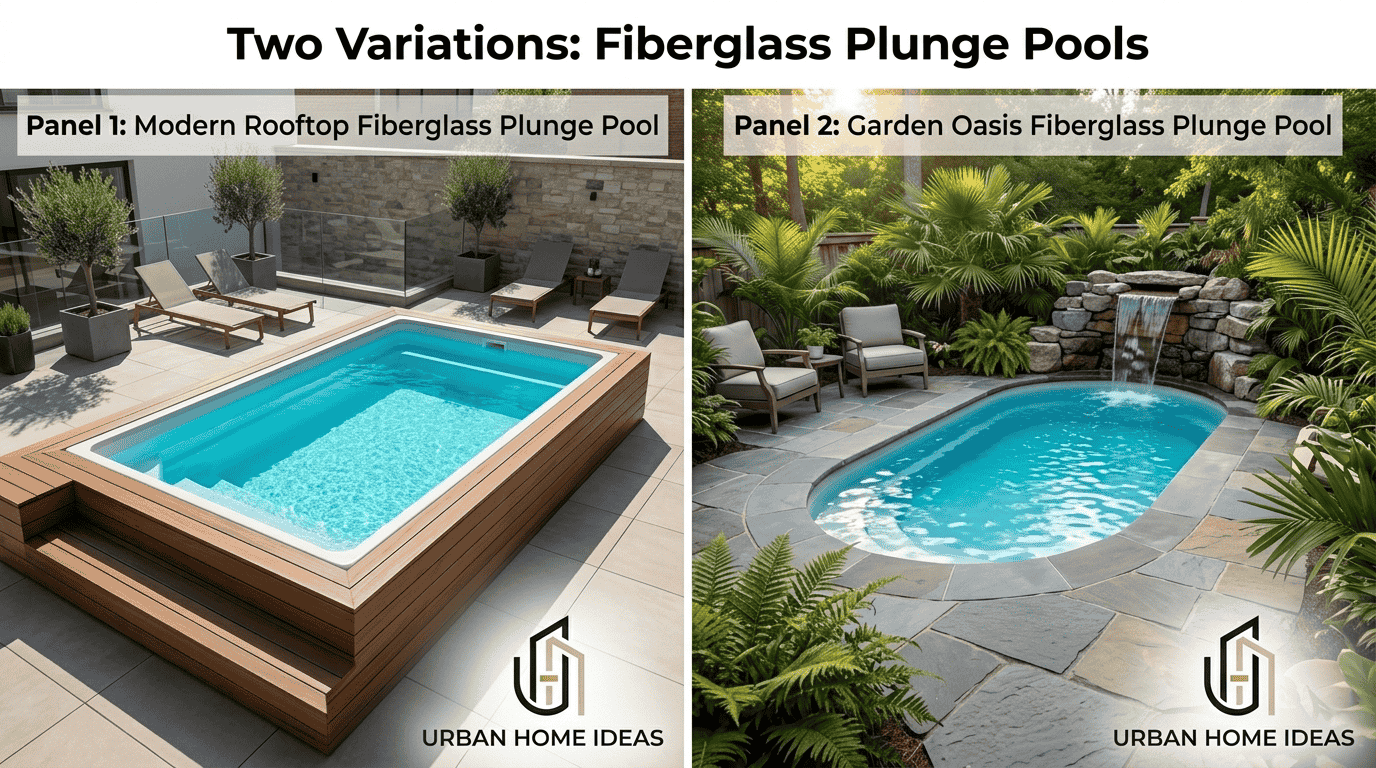
As a durable pool material, fiberglass provides strength while offering a low maintenance option for residential properties. The faster installation process and reliable structure make it suitable for homeowners who want a practical plunge pool solution.
With modern designs and different sizes available, fiberglass plunge pools can be adapted to various outdoor spaces while maintaining a simple and attractive appearance.
Cold Plunge Pools
A cold plunge pool is designed for cold water immersion and is commonly used for recovery, wellness routines, and refreshing experiences. Unlike heated options, this type focuses on exposure to cooler temperatures to support physical recovery and personal wellness goals.
Many people choose a cold plunge pool because of its recovery benefits after exercise or demanding activities. The smaller structure creates a controlled environment where users can enjoy a quick and refreshing water experience without requiring a large pool area.
A wellness application is one of the main reasons homeowners and fitness enthusiasts install this type of pool. Its smaller pool design allows it to fit into different spaces while supporting regular health and recovery practices.
A cold plunge pool can become part of a modern health routine by providing a dedicated area for muscle recovery and relaxation. With its focus on simplicity and function, it offers a practical solution for those looking for a refreshing outdoor feature.
Heated Plunge Pools
A heated plunge pool is designed to provide a comfortable water environment by using a heating system to maintain a preferred temperature. It combines the benefits of a warm water experience with the convenience of a compact pool design.
Many homeowners choose this option because it creates a relaxing spa experience while still working as an outdoor pool. A heated plunge pool supports year-round use by allowing enjoyment during cooler weather when traditional pools may not be comfortable.
The controlled temperature provides better outdoor comfort and creates a peaceful space for relaxation. With modern heating technology, homeowners can adjust the water temperature according to their preferences and lifestyle needs.
A heated plunge pool is an ideal choice for those who want a small outdoor feature that combines relaxation, wellness, and seasonal flexibility.
How Much Does A Plunge Pool Cost?
A plunge pool can have a different cost depending on its size, materials, and design choices. The average cost to install one usually ranges from $10,000 to $40,000, while many homeowners spend around $28,000 for a fully finished project with selected features and professional installation.
The final investment depends on multiple factors, including the installation type, materials, and custom features added during the project. A simple design may require a smaller budget, while a customized option with advanced finishes and upgrades can increase the overall pricing.
Compared with full-sized inground swimming pools, a plunge pool is often significantly cheaper because it requires less space, fewer resources, and a smaller construction process. Traditional pool projects can frequently go beyond $75,000, making compact alternatives attractive for homeowners seeking a practical outdoor upgrade.
The final price tag is influenced by the complexity of pool construction, selected pool design, and the level of customization required. A basic residential pool installation may focus on functionality, while a premium finished project can include personalized elements that match the property’s style and lifestyle needs.
Before starting the project, homeowners should evaluate their available budget, preferred features, and long-term goals. Understanding the complete investment helps create a plunge pool solution that balances appearance, comfort, and practical value.
Where Can You Install A Plunge Pool?
A plunge pool can be installed in many types of properties because its design is highly adaptable. Modern pool solutions offer fully in-ground, semi in-ground, and completely above-ground configurations, allowing homeowners to choose an option that matches their outdoor space and property requirements.
The selection of installation methods depends on the available area, design goals, and existing landscape. A flexible structure allows these pools to fit into different outdoor environments, whether the project involves a private garden, a modern terrace, or a customized residential setting.
A fully integrated design creates a smooth connection between the pool and surrounding areas, producing a seamless look that complements the overall landscape. For properties with uneven terrain, a semi in-ground option can provide better adaptation without requiring major changes to the land.
An above-ground configuration can be a practical solution when homeowners want fewer structural changes while still adding a personalized water feature. This approach works well for people who value efficient installation and creative outdoor planning.
The final choice depends on homeowner preferences, landscape layout, available outdoor space, and the desired lifestyle. Whether placed in private gardens or customized residential spaces, a plunge pool can enhance the property structure and create a comfortable desired outdoor environment.
Features And Customization Options
A plunge pool can be designed with different plunge pool features to match homeowner preferences, outdoor styles, and lifestyle needs. Modern designs often include practical additions that improve comfort, appearance, and overall usability.
Popular options include built-in seating, steps, and benches that create comfortable areas for relaxing and soaking. Additional features such as LED lighting and water features can enhance the visual appeal of the pool, especially during evening use.
Homeowners can also add heating systems and automated controls for better temperature management and easier operation. Premium upgrades like premium tile finishes, safety covers, and saltwater systems provide extra comfort, protection, and convenience.
The level of customization depends on personal preferences, budget, and the surrounding landscape design. By selecting features that match their lifestyle preferences and outdoor aesthetics, homeowners can create a plunge pool that fits their property perfectly.
Pros And Cons Of A Plunge Pool
A plunge pool offers many benefits, but it also has some limitations that homeowners should consider before installation. Understanding the advantages and disadvantages helps people decide whether this type of pool matches their needs, space, and lifestyle.
Advantages
A major advantage of a plunge pool is that it requires less space compared with a traditional pool. It works as a traditional pool alternative for homeowners who have small outdoor areas but still want a relaxing water feature.
These pools usually provide easier maintenance, lower water usage, and a quicker installation process. Their smaller structure makes them an efficient compact backyard solution while still offering relaxation and hydrotherapy benefits.
A heated pool design can support year-round use, allowing homeowners to enjoy their outdoor area in different seasons. The combination of comfort, wellness, and efficient design makes plunge pools a practical choice for modern homes.
Disadvantages
One limitation of a plunge pool is its limited swimming space and small capacity. It is not designed for long swimming sessions, intense exercise, or large water activities.
Because of its size, it may be unsuitable for large parties or homeowners who frequently host many guests. Additional features, heating systems, and premium customization can increase expenses, resulting in a higher investment for luxury designs.
Homeowners should consider their intended use, available space, and budget before choosing a plunge pool.
Who Should Consider A Plunge Pool?
A plunge pool is an ideal choice for homeowners who have limited outdoor space and want a relaxing water feature without requiring a large swimming area. Unlike traditional pools designed mainly for exercise, it focuses on comfort, personal wellness, and efficient use of available space.
People with smaller budgets may also consider this option because a compact pool often requires fewer resources compared with larger installations. It can provide the enjoyment of a private water area while maintaining a practical approach for different residential properties.
For individuals who prefer relaxation and hydrotherapy instead of long-distance lap swimming, a plunge pool offers a suitable environment. It supports gentle water experiences rather than continuous swimming laps, making it valuable for those seeking calm and controlled water activities.
The decision depends on personal preference, available outdoor area, and existing space limitations. Homeowners looking for wellness benefits, water relaxation, and a budget-friendly option can find a plunge pool to be a balanced solution for modern outdoor living.
Frequently Asked Questions
What Is The Main Purpose Of A Plunge Pool?
The main purpose of a plunge pool is to create a private space focused on relaxation, soaking, and cooling off rather than intense swimming activities. Many homeowners choose this type of small pool because it delivers a comfortable water experience within a compact space.
Unlike larger pools designed for swimming laps or active water games, a plunge pool works as a dedicated relaxation pool. It provides an area where users can enjoy calm water activities, recovery, and refreshing moments without needing a large outdoor installation.
Can You Swim In A Plunge Pool?
A plunge pool can support limited swimming depending on the pool design and available space. Some models allow users to swim in place by adding swim resistance jets, which create water movement for exercise.
However, the compact structure affects overall swimming ability. Unlike a large pool built for traditional lap swimming, most plunge pools are not suitable for continuous swimming laps. They are better suited for controlled movement, relaxation, and light exercise activities through a specialized resistance system.
Are Plunge Pools Cheaper Than Traditional Pools?
A plunge pool is often considered a more affordable option compared with traditional swimming pools because it usually requires fewer materials, less space, and reduced installation work. The overall installation cost and maintenance cost can be lower depending on the design and features selected.
The lower cost comes from the smaller structure, which creates an affordable pool option for many homeowners. A proper pool comparison shows that the smaller size can reduce water usage, upkeep requirements, and overall reduced expenses.
However, pricing depends on customization, materials, and whether the pool is added to a new or existing residential pool area. The less maintenance requirement is one of the reasons many homeowners consider this option.
Can A Plunge Pool Be Heated?
Yes, a plunge pool can be heated with a modern heating system to create a comfortable water environment. Due to its compact size, it can achieve faster heating compared with a standard full-sized swimming pool.
A heated plunge pool provides relaxing warm water and allows better temperature control throughout different seasons. The smaller volume makes economical heating easier because less energy is required to maintain the desired temperature.
With improved energy efficiency, homeowners can enjoy year-round use and a comfortable area for outdoor relaxation without needing a large pool structure.
Are Plunge Pools Good For Small Backyards?
A plunge pool is an excellent choice for small backyards because it provides the comfort of a private pool without overcrowding limited outdoor space. Its compact design makes it a practical space-saving solution for homeowners who want a luxury water feature.
These pools work well for a residential property where a traditional pool may not fit. As a stylish backyard feature, a plunge pool improves outdoor living while creating a dedicated relaxation area.
The combination of comfort, privacy, and efficient space usage makes it a popular choice for homeowners looking for a luxury outdoor upgrade.