

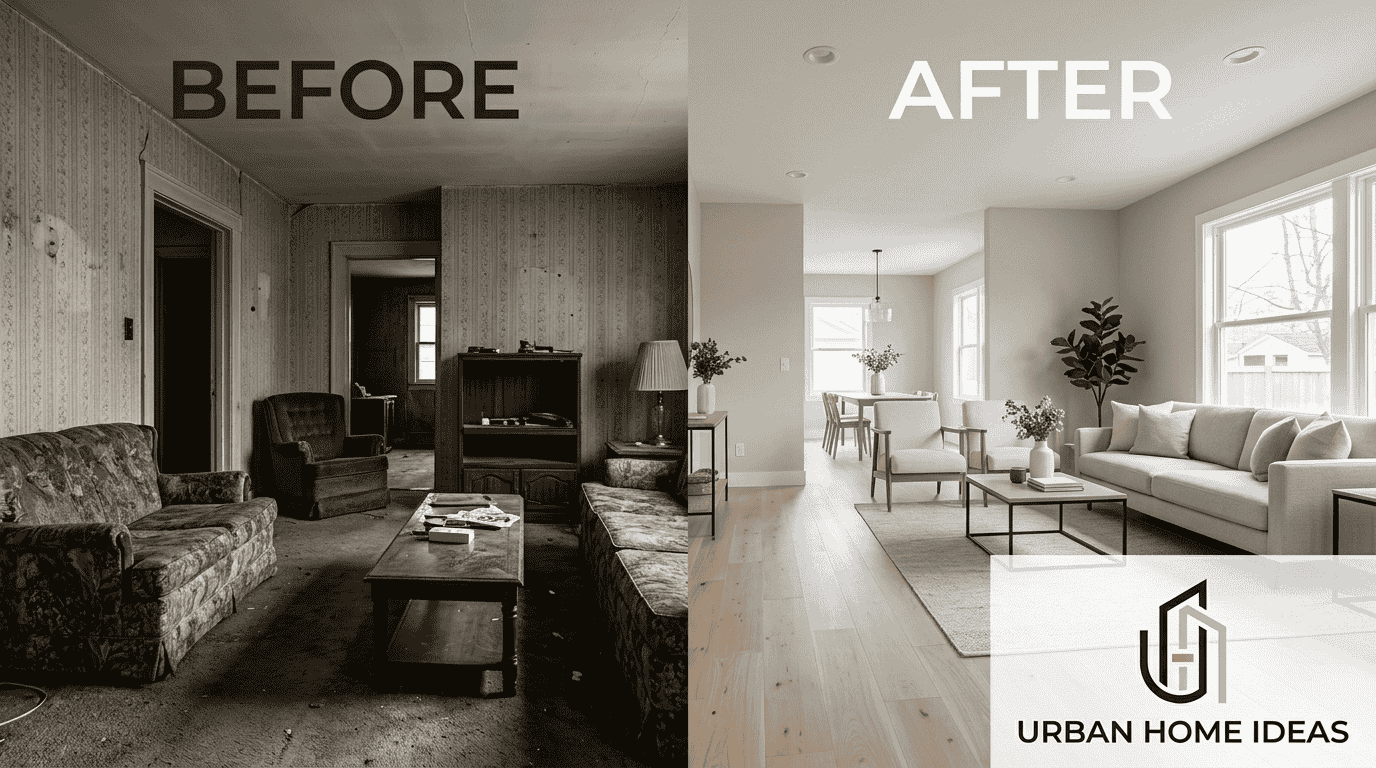
A successful renovation starts with understanding how a home supports the people living inside it. Whole home remodeling is a complete renovation approach that focuses on improving an entire property through connected improvements instead of isolated changes. It combines complete transformation, home renovation, and careful planning to create spaces that match modern lifestyles while solving practical problems.
- Whole Home Remodeling: A Complete Approach To Transforming Living Spaces
- What Is Whole Home Remodeling?
- Types Of Whole Home Remodeling Projects
- Setting Your Budget And Priorities
- Research And Find Inspiration
- Planning And Design Phase
- Developing Detailed Remodeling Plans
- Combining Design And Function
- Working With Remodeling Professionals
- Evaluate Your Existing Home Conditions
- Home Inspection And Existing Conditions Evaluation
- Identifying Potential Problems Before Construction
- Preparing The Property For Renovation
- Hiring The Right Remodeling Professionals
- Choosing Contractors And Remodeling Experts
- Evaluating Communication And Management Skills
- Building A Skilled Remodeling Team
- Permits And Regulations
- Demolition And Construction Process
- Beginning The Demolition Stage
- Installing Updated Systems And Materials
- Managing The Construction Stage
- Quality Control And Inspections
- Final Touches And Cleanup
- Completing Finishing Details
- Final Inspection And Project Completion
- Preparing The Updated Living Space
- Living During A Whole Home Remodel
- Managing Daily Life During Construction
- Deciding Whether To Stay Or Move Out
- Protecting Personal Belongings And Maintaining Organization
- Common Challenges During Whole Home Remodeling
Experienced remodeling professionals often find that homeowners are not only looking for a better appearance but also want improved comfort, better movement, and long-term value. A properly planned project can improve functionality, modernize outdated spaces, and address structural problems that affect the safety and performance of a property.
Unlike a simple room update, this type of renovation considers multiple rooms, systems, materials, and construction stages together. This approach helps create a balanced home where every improvement supports the overall design and daily living experience.
Whole Home Remodeling: A Complete Approach To Transforming Living Spaces
Whole home remodeling is a planned renovation process that updates different parts of a property through one connected strategy. Instead of focusing on only one area, it considers the relationship between rooms, building systems, and lifestyle requirements.
Professionals usually begin by understanding the current condition of the property, the homeowner’s goals, and areas that require improvement. The process may involve updating multiple areas, improving outdated features, and creating better connections between spaces.
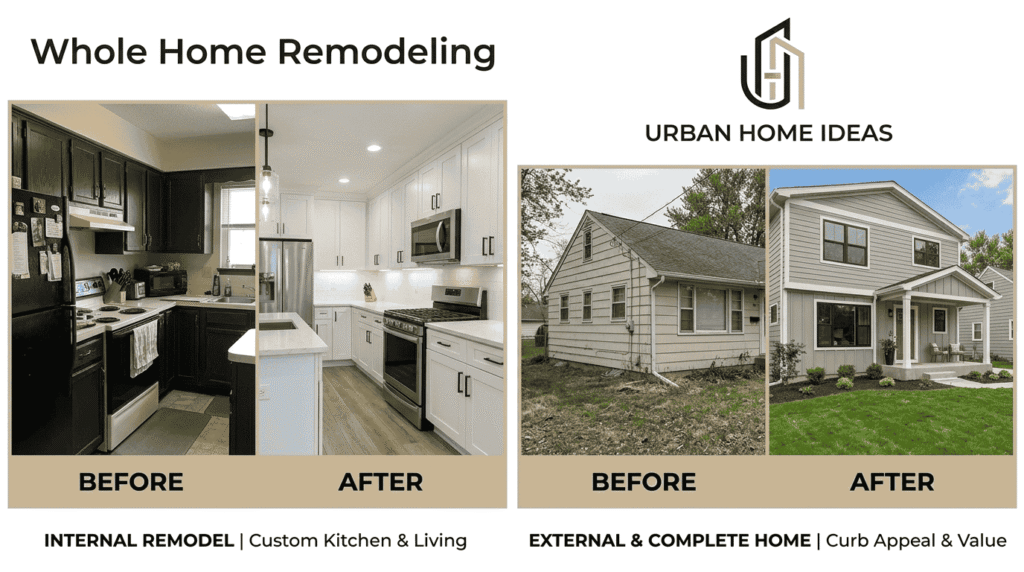
A successful project does not depend only on attractive finishes. It also requires thoughtful decisions about design upgrades, electrical updates, plumbing improvements, and structural adjustments. These elements work together to create a home that feels more comfortable and efficient.
Many homeowners choose this approach because separate renovations may leave other problems unresolved. For example, updating one room while ignoring outdated systems or poor layouts can reduce the overall impact of the investment.
A complete renovation strategy focuses on creating a home that supports everyday living while adapting to future needs. With proper planning, remodeling can improve both the appearance and performance of the property.
What Is Whole Home Remodeling?
Whole home remodeling refers to a renovation project where a property receives extensive improvements across different areas instead of focusing on only one space. It sits between a basic room renovation and a complete rebuild, depending on the goals, condition, and requirements of the homeowner.
This type of project evaluates the entire property and identifies opportunities to improve comfort, performance, and design. Professionals usually review the home condition, existing features, and future requirements before deciding which areas need attention.
A complete remodeling plan may include updates to kitchens, bathrooms, living areas, and other important sections of the home. It can also involve improvements to room layouts, walls, flooring, and major systems that influence how the property functions.
The purpose is not only to create a visually appealing environment but also to develop a more practical and comfortable place for everyday use. Through proper planning, homeowners can improve organization, increase efficiency, and create spaces that match their changing needs.
Improving Major Areas Of The Property
A whole-house approach allows different sections of a home to work together. Instead of treating each room as a separate project, professionals consider how each improvement affects the overall property.
Common improvement areas include:
- Kitchen updates with better storage and modern features.
- Bathroom improvements focused on comfort and usability.
- Living spaces redesigned for better movement and functionality.
- Storage solutions that reduce clutter.
- Interior updates that create a consistent design style.
These improvements may include fixtures, appliances, and other elements that enhance daily convenience.
Creating A Functional And Modern Home
A successful renovation balances appearance with practical needs. A modern home requires more than attractive finishes. It should provide better usability, comfort, and long-term performance.
Experts often evaluate:
- Storage
- Functionality
- Modern design style
- Interior finishes
- Mechanical systems
By considering these elements together, remodeling creates a more connected living environment instead of disconnected upgrades.
Types Of Whole Home Remodeling Projects
Whole home remodeling projects can take different forms depending on the condition of the property, the homeowner’s goals, and the level of change required. Some renovations focus on improving appearance, while others involve deeper updates that affect the structure and performance of the home.
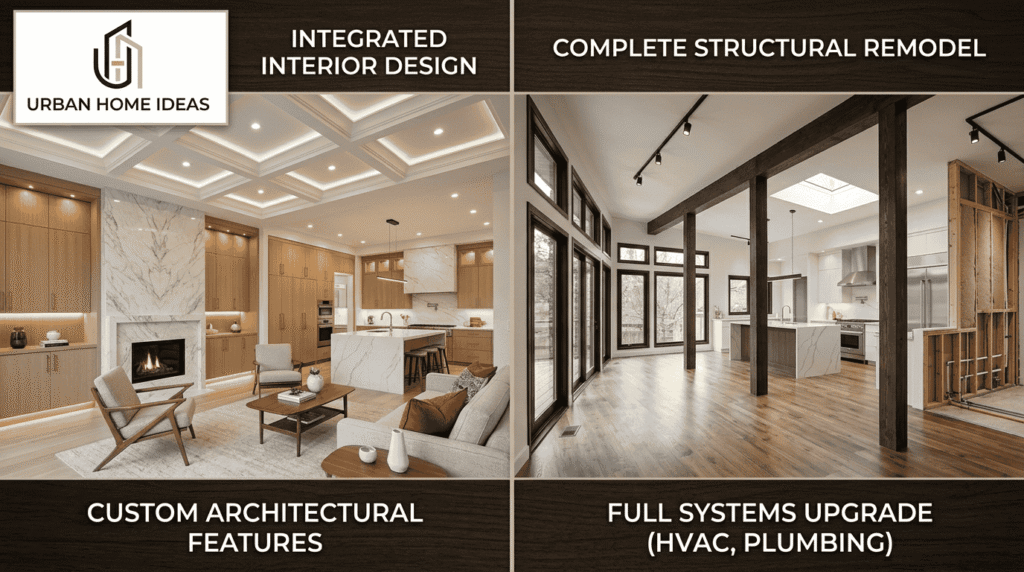
Professionals usually divide remodeling projects into different categories to understand the level of work involved. Each approach has different requirements, costs, and expected outcomes.
Cosmetic Whole Home Refresh
A cosmetic approach focuses on visible improvements without making major structural changes. It is often selected by homeowners who want a refreshed appearance while keeping the current structure and layout.
Common improvements include:
- Painting
- Flooring updates
- Lighting
- Fixtures
- Interior finishes
These updates can change the overall feel of a property and create a more updated environment. Although cosmetic changes may seem simple, careful selection of colors, materials, and finishes helps achieve a consistent result.
Pull-And-Replace Remodeling
Pull-and-replace remodeling focuses on replacing outdated features while maintaining the existing design and structure. This method is useful when the layout works well but important elements need improvement.
This type of renovation may include replacing:
- Kitchens
- Bathrooms
- Appliances
- Fixtures
- Mechanical systems
The goal is to improve reliability, appearance, and performance without completely changing the property’s foundation or organization.
Full Gut Remodeling
A full gut renovation represents one of the most extensive forms of remodeling. It involves removing significant interior elements and rebuilding spaces according to a new plan.
This approach may include:
- Interior removal
- Structural modifications
- New electrical wiring
- Plumbing upgrades
- Updated systems
- Interior design elements
Experts often recommend this option when a property has outdated infrastructure, major functional problems, or requires a completely different layout.
A full transformation requires detailed coordination because multiple construction activities happen together. Proper planning helps manage the relationship between structure, systems, and design decisions.
Setting Your Budget And Priorities
Before starting whole home remodeling, homeowners need a clear understanding of their financial goals and renovation expectations. A realistic budget helps determine which improvements are possible and prevents decisions that create unnecessary pressure during the project.
Experienced professionals usually recommend identifying the most important changes first. A renovation becomes more effective when homeowners understand which areas require immediate attention and which improvements can be planned for later.
Budget planning should consider:
- Available funds
- Project requirements
- Material choices
- Labor expenses
- Unexpected situations
A strong financial plan includes extra space for changes that may appear during construction. Older properties can reveal hidden problems after work begins, so preparation helps avoid delays and stress.
Understanding Remodeling Priorities
Every property has different needs. Some homeowners focus on improving daily comfort, while others want to increase long-term value. The right priorities depend on how the home is used and what improvements will provide the greatest benefit.
Important considerations include:
- Long-term goals
- Lifestyle requirements
- Return on investment
- Important rooms
- Improvements
Professionals often evaluate which updates create the biggest impact. For example, improving a frequently used area may provide more value than making decorative changes in spaces that receive less attention.
Managing Unexpected Expenses
Even detailed plans can change during a renovation. Hidden conditions, material availability, and construction discoveries can influence the final cost.
A prepared homeowner keeps a contingency amount available for:
- Repairs
- Additional materials
- Design adjustments
- Necessary upgrades
Careful financial planning allows the remodeling team to maintain quality without compromising important parts of the project.
Research And Find Inspiration
A successful whole home remodeling project often begins before construction starts. Homeowners who spend time researching ideas usually make clearer decisions about design, materials, and the overall direction of their renovation.
Professionals often observe that inspiration is not only about copying attractive designs. It is about understanding why certain spaces work well and adapting those ideas according to the property’s needs.
Research helps homeowners develop a stronger vision by exploring:
- Different architectural styles
- Functional layouts
- Material options
- Color combinations
- Storage solutions
Collecting Design Ideas
Homeowners can gather ideas from different sources to understand current possibilities and practical solutions. These references help create better communication between homeowners and remodeling professionals.
Useful sources include:
- Home improvement magazines
- Remodeling websites
- Social media platforms
- Design catalogs
- Existing properties
Saving images and notes about preferred styles makes it easier to explain expectations during the planning process.
Creating A Clear Remodeling Vision
A renovation becomes easier to manage when homeowners know what they want to achieve. A clear vision connects design preferences with practical requirements.
Professionals usually review:
- Layouts
- Colors
- Material ideas
- Images
- Expectations
This approach allows designers and contractors to understand the desired outcome while creating solutions that match the home’s structure and lifestyle.
Balancing Inspiration With Practical Needs
Not every design idea works for every property. Experts often recommend adjusting inspiration based on available space, maintenance requirements, and everyday use.
A thoughtful approach ensures that the final design is not only attractive but also functional and suitable for long-term living.
Planning And Design Phase
The planning phase and design phase are critical parts of whole home remodeling because they establish the direction, requirements, and expectations of the entire renovation. Experienced professionals usually focus on this stage carefully because early decisions influence the quality, timeline, and efficiency of the project.
A successful renovation begins with detailed remodeling plans that connect creative ideas with practical requirements. During this stage, homeowners and remodeling teams review different possibilities, organize priorities, and prepare a structured approach before construction begins.
The planning process allows every element of the renovation to work together, including design preferences, materials, construction requirements, and long-term goals. A well-organized plan reduces confusion and helps the team create a smoother remodeling experience.
Developing Detailed Remodeling Plans
Detailed planning helps transform ideas into practical solutions. Professionals prepare documents and strategies that explain how different areas of the property will be improved.
Important planning elements include:
- Architectural drawings
- Material selections
- Room layouts
- Project timelines
- Design decisions
- Construction planning
These elements provide a clear direction for the remodeling team and help maintain consistency throughout the project. A proper plan also allows homeowners to understand how each improvement connects with the overall renovation strategy.
Combining Design And Function
A successful remodel requires a balance between visual appeal and everyday usability. Professionals consider functional needs and aesthetic preferences when developing a design that supports the homeowner’s lifestyle.
Thoughtful design upgrades improve the appearance of a property while creating a better living environment. The best results come from combining attractive details with practical solutions that support daily activities.
Working With Remodeling Professionals
The right team plays an important role in achieving successful renovation results. Choosing contractors, remodeling experts, and experienced professionals helps homeowners create a more organized and reliable process.
Before selecting a team, homeowners often review research contractors, previous projects, and references to understand experience and quality standards.
Clear communication methods and defined project management responsibilities help prevent misunderstandings during construction. Skilled teams focus on delivering quality work and effective project execution while following the established renovation plan.
Evaluate Your Existing Home Conditions
Before starting whole home remodeling, professionals usually examine the current state of the property to understand what improvements are required. A detailed evaluation helps identify hidden issues, determine renovation requirements, and create a realistic plan based on the actual condition of the home.
A proper assessment looks beyond surface appearance. The focus is on understanding how different parts of the property perform and whether existing systems can support future improvements.
Important areas reviewed during evaluation include:
- Structural stability
- Existing building systems
- Safety concerns
- Repair requirements
- Renovation possibilities
This step helps homeowners avoid unexpected problems during construction and allows remodeling teams to prepare more accurate solutions.
Home Inspection And Existing Conditions Evaluation
A professional home inspection provides valuable information about the property before renovation begins. During this process, experts review the existing conditions evaluation to understand current limitations and possible improvements.
The inspection may include reviewing:
- Structural condition
- Plumbing systems
- Electrical wiring
- HVAC systems
- Foundation issues
- Building code compliance
Understanding these areas allows the remodeling team to identify problems early and create a safer renovation strategy.
Identifying Potential Problems Before Construction
Early evaluation helps discover issues that may affect the project timeline or budget. Hidden problems inside older properties can create challenges if they are not identified before work starts.
Professionals analyze the current structure, systems, and materials to determine whether repairs or replacements are necessary. This approach reduces surprises and helps create a more predictable remodeling process.
Preparing The Property For Renovation
After evaluation, homeowners and professionals can make informed decisions about the next steps. The findings help determine which areas require immediate attention and which improvements can be completed later.
A detailed assessment creates a stronger foundation for planning, construction, and final results.
Hiring The Right Remodeling Professionals
Selecting the right team is one of the most important decisions in whole home remodeling. The quality of the final result depends heavily on the experience, communication, and management skills of the professionals handling the project.
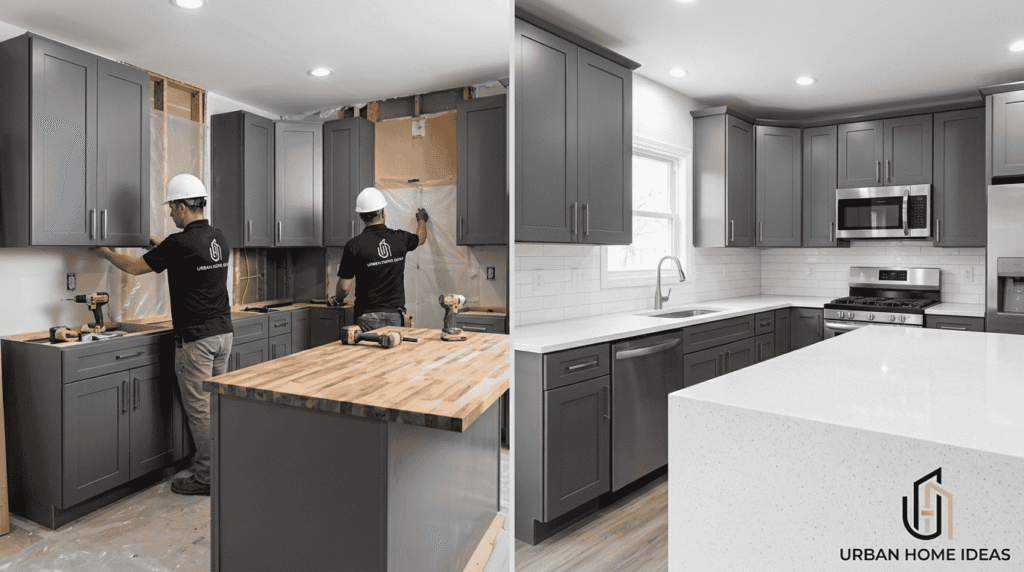
Experienced homeowners understand that remodeling is not only about construction work. It requires coordination between different specialists, clear planning, and consistent attention to details throughout the renovation process.
A reliable team helps manage expectations, solve challenges, and maintain quality from the initial planning stage until project completion.
Choosing Contractors And Remodeling Experts
Finding suitable professionals requires careful research and evaluation. Homeowners should look beyond pricing and focus on experience, previous results, and the ability to handle complex renovation projects.
Important selection factors include:
- Choosing contractors
- Remodeling experts
- Experienced professionals
- Research contractors
- Previous projects
- References
- Experience
Reviewing previous work allows homeowners to understand the contractor’s approach, craftsmanship, and ability to deliver successful remodeling solutions.
Evaluating Communication And Management Skills
Strong communication creates a smoother remodeling experience. Professionals who explain decisions clearly and maintain regular updates help homeowners feel more confident throughout the project.
Important areas include:
- Communication methods
- Project management responsibilities
Clear communication reduces misunderstandings and ensures that everyone involved understands timelines, expectations, and project requirements.
Building A Skilled Remodeling Team
A successful renovation often requires different specialists working together. A skilled team combines technical knowledge, planning ability, and practical experience to achieve better outcomes.
Professional teams focus on:
- Quality work
- Project execution
- Renovation specialists
The right professionals help transform remodeling ideas into functional and well-designed spaces while maintaining attention to detail.
Permits And Regulations
Before construction begins, whole home remodeling projects must follow specific legal requirements and safety standards. Proper approvals help ensure that renovation work meets local regulations and protects the property, homeowners, and future occupants.
Professionals usually review permit requirements early because delays in approvals can affect the overall construction schedule. Understanding regulations allows the remodeling team to complete work correctly and avoid complications during inspections.
Understanding Permits And Approvals
Permits confirm that planned renovations meet required safety and construction standards. Depending on the scope of the project, different approvals may be needed before work starts.
Permits may apply to:
- Structural changes
- Electrical work
- Plumbing modifications
- Additions
- Major renovations
Professional contractors often help homeowners understand which permits are required and how to manage the approval process.
Following Building Regulations
Every renovation must follow established rules to ensure safe and reliable construction. Building regulations help maintain quality standards and protect the long-term performance of the property.
Important areas include:
- Building requirements
- Safety standards
- Legal compliance
Following these requirements helps prevent problems during inspections and ensures that completed improvements meet professional expectations.
Managing The Approval Process
A smooth approval process requires preparation and coordination. Experienced professionals organize documentation, communicate with authorities, and ensure that renovation plans match required guidelines.
Proper permit management allows construction to move forward without unnecessary interruptions while maintaining safety and quality throughout the project.
Demolition And Construction Process
The construction stage is where the plans for whole home remodeling begin to take physical shape. After approvals are completed, professionals start transforming the existing property according to the finalized renovation strategy.
This phase requires careful coordination because multiple activities often happen together. Remodeling teams must manage materials, workers, schedules, and unexpected conditions while keeping the project aligned with the original goals.
A well-organized construction process helps reduce disruption and ensures that each stage is completed properly.
Beginning The Demolition Stage
Demolition is often the first visible step of major renovation work. During this stage, outdated elements are removed to prepare the property for improvements.
The process may involve:
- Removing existing structures
- Structural changes
- Interior preparation
- Space adjustments
Professionals carefully handle demolition because unnecessary damage can increase costs and create additional repair requirements.
Installing Updated Systems And Materials
After demolition, construction teams begin rebuilding and upgrading different parts of the property. This stage focuses on improving performance, safety, and overall functionality.
Important activities include:
- Plumbing updates
- Electrical updates
- Installing new materials
- Redesigned spaces
These improvements help create a modern home environment while ensuring that essential systems support future needs.
Managing The Construction Stage
The construction phase requires continuous communication between homeowners, contractors, and specialists. Regular updates help track progress and address issues before they become larger problems.
Professionals monitor:
- Work quality
- Project progress
- Material use
- Construction schedules
Although construction can temporarily affect daily routines, proper management helps maintain a smoother renovation experience.
Quality Control And Inspections
Maintaining quality throughout whole home remodeling is essential because every stage of construction affects the final performance and appearance of the property. Regular reviews help ensure that completed work follows the approved plans and meets expected standards.
Experienced professionals understand that quality control is not only performed at the end of a project. It should continue throughout construction to identify mistakes early and maintain consistency.
Monitoring Construction Quality
Continuous monitoring helps confirm that materials, installation methods, and workmanship meet project expectations. Professionals review different areas of the renovation to ensure everything is completed correctly.
Important quality checks include:
- Workmanship
- Safety standards
- Material installation
- Code compliance
- Project progress
These checks help identify issues before they become expensive repairs and support a smoother construction experience.
Conducting Regular Inspections
Inspections provide an opportunity to verify that remodeling work matches the planned design and required regulations.
During inspections, professionals evaluate:
- Completed installations
- System performance
- Structural improvements
- Safety requirements
- Construction details
Regular inspections create confidence for homeowners because they provide confirmation that the renovation is progressing correctly.
Ensuring Long-Term Remodeling Results
Quality control has a direct impact on the durability and value of a remodeled property. A project that receives proper attention during construction is more likely to provide reliable performance for years.
Professionals focus on accuracy, safety, and attention to detail to deliver a finished space that meets both functional and design expectations.
Final Touches And Cleanup
The final stage of whole home remodeling focuses on completing details that bring the renovation together. After major construction activities are finished, professionals shift attention toward improving the appearance, functionality, and overall readiness of the updated property.
This stage is important because small details often influence how homeowners experience their remodeled space. Careful finishing work creates a polished result and ensures that every part of the renovation feels complete.
Completing Finishing Details
Finishing work includes the final improvements that enhance the look and usability of different areas. Professionals carefully review each section to make sure all elements are properly installed.
Common finishing tasks include:
- Painting
- Flooring installation
- Fixture placement
- Interior finishes
- Final adjustments
These details help create a consistent appearance and improve the comfort of the completed home.
Final Inspection And Project Completion
Before homeowners fully return to the updated property, a final review is usually performed. This step confirms that all planned work has been completed according to expectations.
The final process may include:
- Checking completed areas
- Reviewing installations
- Confirming quality standards
- Addressing minor corrections
- Completing cleanup
A detailed inspection helps ensure that the remodeled home is ready for everyday use.
Preparing The Updated Living Space
Cleanup and organization complete the transformation process. Professionals remove construction materials, organize the space, and prepare the property for normal activities.
A properly finished renovation provides homeowners with an improved environment that combines better design, comfort, and practical performance.
Living During A Whole Home Remodel
Living through whole home remodeling can create temporary changes in daily routines, but proper preparation helps homeowners manage the transition more comfortably. A major renovation affects how people use their spaces, store belongings, and organize everyday activities.
Experienced remodeling teams understand that construction is not only a physical process. It also affects the homeowner’s lifestyle, schedule, and comfort. Clear communication and realistic planning help reduce stress during the renovation period.
Managing Daily Life During Construction
During a large renovation, homeowners often need to adjust their normal routines. Some areas of the property may become unavailable while construction work is underway.
Important considerations include:
- Temporary relocation
- Storage options
- Protecting belongings
- Managing pets
- Contractor communication
Planning these details before construction begins helps create a more organized experience and prevents unnecessary problems.
Deciding Whether To Stay Or Move Out
The decision to remain in the property depends on the size and complexity of the renovation. Smaller updates may allow homeowners to continue living at home, while larger projects may require temporary relocation.
Homeowners often consider:
- Safety during construction
- Access to essential areas
- Noise levels
- Duration of the project
- Family comfort
For extensive renovations involving kitchens, bathrooms, or major living areas, moving out temporarily can make the process easier for everyone involved.
Protecting Personal Belongings And Maintaining Organization
Construction areas can create dust, movement, and limited access to certain spaces. Proper organization helps protect valuable items and keeps the project running smoothly.
Professionals recommend:
- Storing important belongings safely
- Creating clear access paths
- Maintaining communication with the remodeling team
- Planning around construction schedules
A well-managed living arrangement allows homeowners to experience fewer disruptions while their updated home is being created.
Common Challenges During Whole Home Remodeling
Even with detailed preparation, whole home remodeling can involve unexpected situations that require flexibility and careful decision-making. Professionals understand that renovation challenges are a normal part of transforming an existing property, especially when multiple systems, materials, and construction stages are involved.
The strongest remodeling projects are not those without challenges. They are projects where homeowners and professionals identify problems early, communicate clearly, and create practical solutions.
Budget Problems
Managing finances is one of the most common challenges during a major renovation. Even a carefully planned project can experience changes because of hidden conditions, updated requirements, or material decisions.
Common reasons for budget pressure include:
- Unexpected repairs
- Material changes
- Hidden issues
- Additional upgrades
- Changing project requirements
A realistic budget with proper preparation helps homeowners handle financial adjustments without affecting important parts of the renovation.
Controlling Increasing Remodeling Costs
Cost management requires regular review throughout the construction process. Professionals often monitor expenses and compare them with the original renovation plan.
Important financial considerations include:
- Increasing costs
- Renovation expenses
- Contingency funds
- Cost management
- Remodeling budget
- Project control
A well-managed budget allows the remodeling team to maintain quality while keeping the project financially organized.
Timeline Delays
Time management is another important challenge in large renovation projects. Delays can happen because of several factors, including approvals, materials, and scheduling issues.
Common causes include:
- Permit approvals
- Material availability
- Trade scheduling
- Construction changes
Professionals usually create realistic timelines and maintain regular updates to reduce unexpected interruptions.
Managing Construction Scheduling Issues
A remodeling timeline depends on coordination between different teams and suppliers. If one stage is delayed, it can affect the following tasks.
Proper scheduling includes:
- Tracking progress
- Coordinating workers
- Managing deliveries
- Adjusting plans when required
Good organization helps maintain momentum and keeps the renovation moving toward completion.
Design Expectations
Another common challenge is ensuring the final result matches the homeowner’s original vision. Without proper planning and communication, the completed renovation may not meet expectations.
Professionals focus on understanding:
- Design expectations
- Clear planning
- Communication
- Homeowner expectations
- Final outcome
Detailed discussions before construction help create a result that matches both practical needs and design preferences.
Avoiding Design Disappointment
A successful renovation requires realistic expectations from the beginning. Homeowners should understand materials, limitations, timelines, and possible adjustments before construction starts.
Strong collaboration between homeowners and professionals creates better results and improves overall satisfaction.