

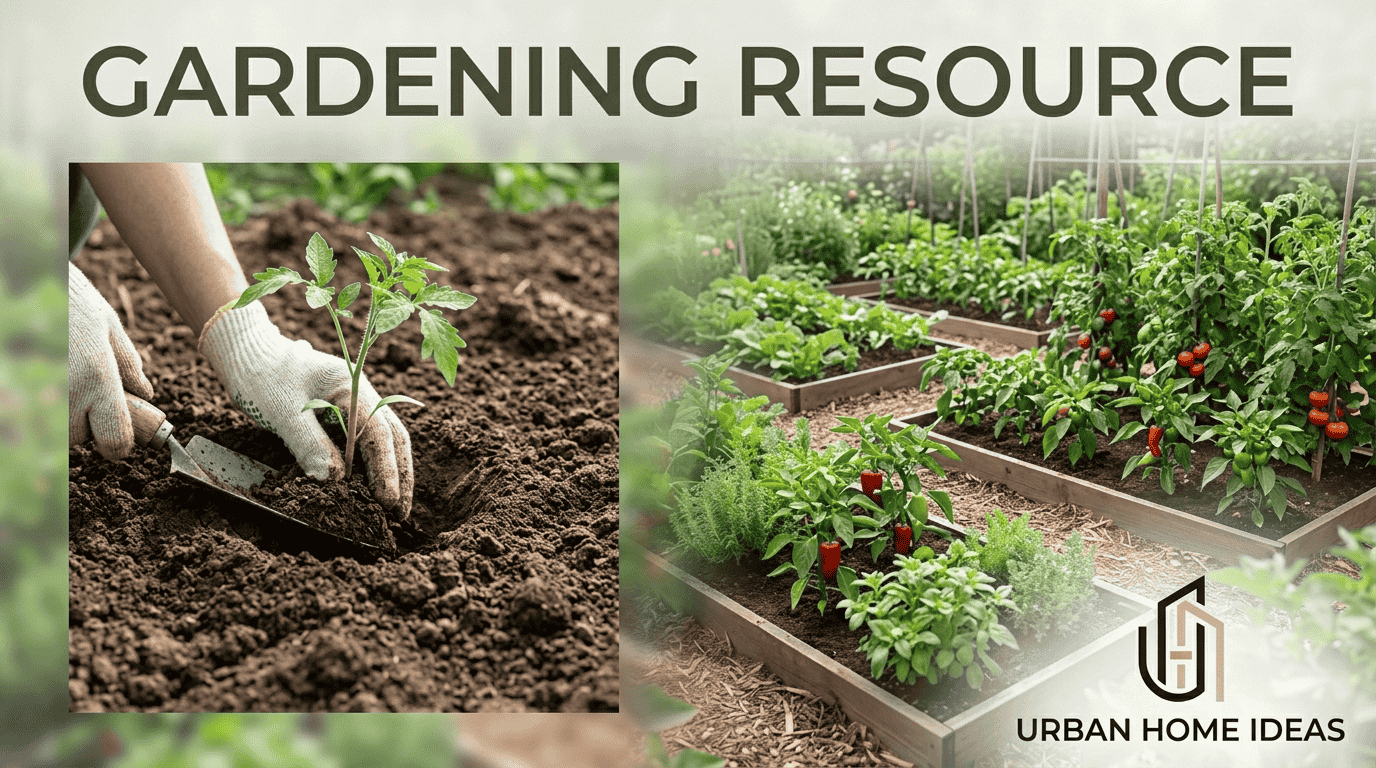
Gardening begins with trusted information and practical experience because every successful garden requires proper decisions. Through reliable resources, gardeners can improve their gardening success by learning guidance about choosing plants, preparing soil, and controlling pests effectively.
- America’s Gardening Resource
- Best Gardening Books For Beginners And Experienced Gardeners
- The New Organic Grower By Eliot Coleman
- Weedless Gardening By Lee Reich
- The Pruning Book By Lee Reich
- The Truth About Organic Gardening By Jeff Gillman
- Container Gardening Complete By Jessica Walliser
- Best Gardening Websites And Online Resources
- University Extension Gardening Resources
- Organic Gardening Resources
- Soil Health And Garden Preparation Resources
- Vegetable Gardening Resources
- Seed And Plant Resources
- Gardening Tools And Equipment Resources
- Backyard Gardening Resources
- Sustainable Gardening Resources
- Gardening Communities And Learning Platforms
- How To Choose The Right Gardening Resource
- Gardening Resources For Different Types Of Gardeners
Many modern gardeners explore books, websites, extension programs, and seed companies to build stronger skills. These gardening communities provide knowledge about vegetables, flowers, herbs, and sustainable landscapes while supporting different gardening styles.
Whether creating a backyard garden, container garden, or growing within a small urban space, proper gardening knowledge makes cultivation easier. The right resources support easier gardening methods and encourage more productive gardening results.
America’s Gardening Resource
Gardening decisions become easier when America’s Gardening Resource connects gardening knowledge with trusted information and practical methods. Experienced growers often depend on reliable resources that explain plant choices, soil preparation, and seasonal challenges through expert guidance.
A strong gardening platform supports gardeners who want better gardening success using research-based methods. From choosing plants to maintaining healthy gardens, resources help users understand natural processes, sustainable approaches, and productive growing systems.
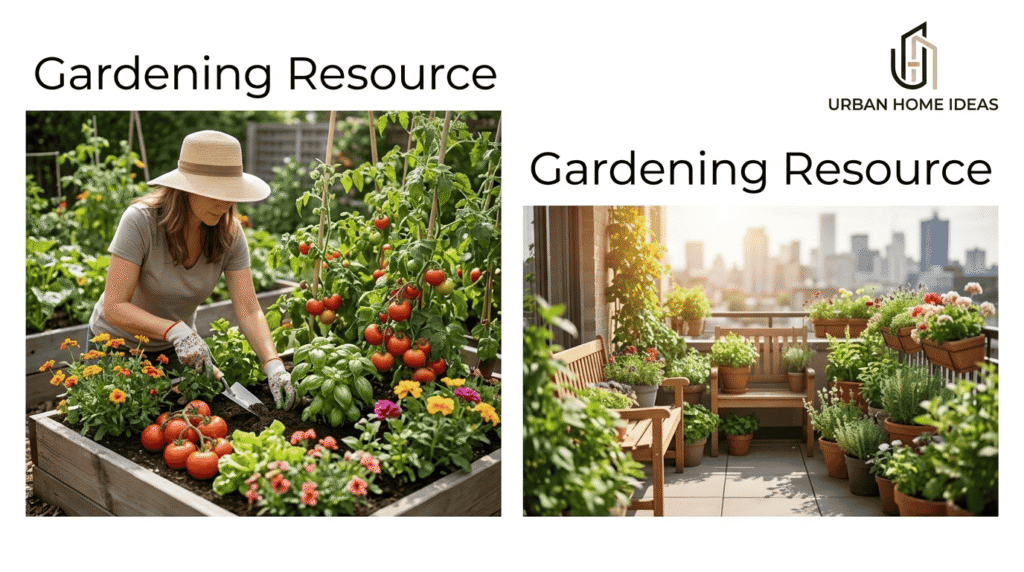
Modern cultivation combines traditional books, digital websites, community learning, and expert programs. These resources create opportunities for growing vegetables, flowers, and herbs while improving backyard garden spaces and container garden projects.
Best Gardening Books For Beginners And Experienced Gardeners
Gardening books remain important valuable resources for improving learning plant care and understanding garden planning. I have found that detailed references help gardeners explore organic methods, sustainable growing techniques, and practical solutions beyond basic online advice.
Experienced growers often use books as long-term references because they provide detailed explanations about plant health, soil fertility, and advanced techniques. Topics like crop rotation, seed starting, and pest management support stronger garden decisions.
Home growers and professionals benefit from knowledge covering vegetables, flowers, and herbs. These resources explain sustainable growing methods, weed control, soil structure, and organic gardening myths while developing realistic gardening skills.
The New Organic Grower By Eliot Coleman
Organic gardening starts with understanding how natural systems work. The organic grower approach focuses on organic gardening techniques, where soil fertility and balanced practices create healthier production cycles.
Successful growers study crop rotation, seed starting, and pest management to maintain productive fields. These sustainable growing methods help small farmers and home gardeners develop stronger gardening habits.
Natural approaches support healthy crops through responsible methods. By following organic practices, gardeners can create a productive garden while protecting soil quality and encouraging long-term sustainability.
Weedless Gardening By Lee Reich
Effective gardens require smart maintenance rather than constant chemical solutions. Weedless gardening introduces natural weed control methods that protect soil structure and encourage healthier plant development.
Many gardeners focus on reducing unnecessary chemicals because chemical weed solutions may affect long-term soil balance. A healthy garden depends on proper soil protection and sustainable care.
Using improved gardening methods creates a sustainable approach toward better plant growth. Gardeners can manage weeds naturally while supporting productive spaces and healthier ecosystems.
The Pruning Book By Lee Reich
Successful gardening depends on understanding plant structure and seasonal care. A pruning book helps gardeners learn proper techniques for pruning trees, shrubs, and flowers while maintaining healthy growth patterns throughout different seasons.
Correct pruning improves garden plants by supporting plant health and enhancing plant appearance. Gardeners can remove damaged areas, encourage new growth, and create better spaces through planned maintenance practices.
Learning pruning requires patience and practical knowledge. Strong gardening skills develop when growers understand plant responses, timing, and methods that improve overall garden maintenance without harming natural growth.
The Truth About Organic Gardening By Jeff Gillman
Organic gardening requires understanding facts instead of following every popular belief. Many gardeners explore organic gardening resources to separate common myths from practical and effective approaches.
Reliable information improves gardening knowledge by explaining realistic methods. True organic practices focus on balanced systems, natural solutions, and responsible choices that support healthy gardens.
Successful growers combine experience with research to improve plant care. Sustainable methods and natural approaches help gardeners create productive spaces without depending on misleading ideas.
Container Gardening Complete By Jessica Walliser
Limited outdoor areas do not prevent people from creating productive gardens. Container gardening provides opportunities for growing plants in limited space while supporting urban lifestyles and creative planting methods.
Small gardens can produce fresh growing vegetables, herbs, and flowers when gardeners select suitable containers. These systems allow flexible arrangements for balconies, patios, and compact locations.
Modern growers use urban gardening techniques with different container plants to maximize available areas. Proper care, watering, and placement help container gardens remain healthy and productive throughout seasons.
Best Gardening Websites And Online Resources
Digital platforms have transformed how gardeners access knowledge. Online gardening websites provide updated information about planting seasons, plant care, and garden design for different growing conditions.
Gardeners explore gardening blogs, plant databases, and gardening forums to solve problems. Expert articles and university extension websites provide research-based guidance for improving garden performance.
Technology also offers useful plant identification tools that help recognize species and manage challenges. From common problems to diseases, insects, and soil issues, online resources provide practical gardening solutions.
University Extension Gardening Resources
Science-based gardening depends on accurate research and regional knowledge. University extension programs provide trusted gardening resources created with support from horticulture experts and agricultural specialists.
Gardeners can access information about soil testing, plant recommendations, and pest identification based on their location. These services consider local growing conditions and environmental factors.
Regional advice improves gardening outcomes because every area has different climate, soil type, and conditions. Local programs support vegetable gardening guidance and sustainable gardening methods for stronger results.
Organic Gardening Resources
Healthy gardens depend on creating a balanced relationship between plants and nature. Organic gardening focuses on a balanced ecosystem while reducing harmful practices and supporting natural growth.
Gardeners improve soil through compost, organic matter, and methods that protect soil organisms. These practices encourage biodiversity while supporting plants, wildlife, and beneficial garden relationships.
Responsible growers focus on natural pest management, organic seeds, and beneficial insects. Sustainable systems protect the healthy environment by supporting pollinators, reducing chemicals, and improving soil health.
Soil Health And Garden Preparation Resources
Every successful garden begins with proper preparation because healthy soil creates the foundation for stronger plants. Understanding soil conditions helps gardeners build a productive and sustainable growing environment.
Effective soil management includes soil testing, checking soil pH levels, adding compost, and improving organic materials. These steps help maintain balance and support plant development.
Good preparation also requires proper drainage, mulch, and moisture retention methods. Healthy soil encourages stronger plants, reduces problems from pests and diseases, and improves overall garden performance.
Vegetable Gardening Resources
Growing fresh produce requires planning, observation, and proper techniques. Vegetable gardening becomes easier when gardeners understand seasonal knowledge, plant selection, and environmental factors that influence crop performance throughout the year.
Successful growers focus on garden beds, watering strategies, and pest protection to maintain healthy harvests. Proper preparation helps produce fresh food while supporting a healthy lifestyle through homegrown vegetables.
Backyard growers improve results by understanding growing vegetables, planting schedules, and crop management. These practices strengthen local ecosystems and increase garden productivity through organized and thoughtful cultivation methods.
Seed And Plant Resources
Quality planting materials influence every gardening outcome. Reliable seeds and healthy plants provide the foundation for successful gardening when selected according to regional needs and growing conditions.
Gardeners should evaluate seed quality, regional suitability, and growing seasons before planting. Choosing disease-resistant varieties and native plants can improve performance while reducing future challenges.
Trusted suppliers and nurseries help growers find suitable options based on plant selection and environmental requirements. Understanding environmental conditions supports healthy growth and improves access to valuable gardening resources.
Gardening Tools And Equipment Resources
Efficient gardening requires appropriate tools that support daily tasks and plant care. Quality gardening tools and equipment improve workflow while increasing overall gardening efficiency and productivity.
Common tools such as hand trowels, pruning tools, and garden gloves help manage different maintenance activities. Proper watering equipment and soil testing tools support healthier growing environments.
Gardeners also use composting equipment to improve sustainability. Investing in quality tools saves time, simplifies gardening work, and strengthens regular plant care routines.
Backyard Gardening Resources
Home gardens provide opportunities for growing food while improving outdoor spaces. Backyard gardening allows homeowners to create healthier environments through thoughtful planning and practical growing methods.
Many gardeners explore raised beds, container gardening, and small-space gardening techniques to maximize available areas. These approaches help develop attractive spaces with useful plants and efficient layouts.
Successful backyard projects include pollinator gardens, seasonal care, and simple plant choices. Developing gardening skills helps beginner gardeners build confidence through practical gardening experiences and sustainable habits.
Sustainable Gardening Resources
Sustainable methods help gardeners protect nature while producing healthier plants. Sustainable gardening focuses on using natural resources responsibly and creating systems that support long-term environmental balance.
Gardeners apply composting, water conservation, and native planting techniques to reduce waste. Supporting wildlife and improving soil health creates stronger gardens with better ecological connections.
Modern growers practice chemical reduction while maintaining healthy plants and productive gardens. These sustainable methods create more environmentally friendly gardening approaches for future generations.
Gardening Communities And Learning Platforms
Learning improves when gardeners share experiences and discover practical solutions together. Gardening communities connect people through knowledge exchange, collaboration, and continuous improvement.
Local groups such as gardening clubs, Master Gardener programs, and community projects provide valuable learning opportunities. These platforms help growers understand techniques through real experiences.
Online spaces including online forums and social media groups encourage discussion among gardeners. Through community gardens, people develop problem-solving abilities, practical knowledge, and stronger gardening connections.
How To Choose The Right Gardening Resource
Choosing useful information requires understanding personal gardening goals and available conditions. Gardening resource selection depends on experience, location, and the specific needs of each grower.
Gardeners should consider their climate zone, preferred learning style, and gardening needs before selecting materials. Beginner-friendly guides can help new growers develop strong foundations.
Experienced gardeners often prefer expert-backed information, reliable sources, and advanced references. Combining gardening books, practical experience, and suitable learning methods improves overall growing requirements.
Gardening Resources For Different Types Of Gardeners
Gardening resources become more useful when matched with different experience levels and goals. Gardening resources support different gardeners by providing information based on individual interests, available spaces, and growing challenges.
Every gardener has unique requirements, whether they are beginners or experienced growers. Understanding gardening goals and experience levels helps people choose suitable learning materials and develop better techniques.
Modern gardening combines traditional knowledge with new approaches. Resources covering plant science, sustainable farming, and gardening guides improve horticulture knowledge while supporting different styles of gardening practices.
Beginners
New gardeners need simple information that builds confidence and creates strong foundations. Basic gardening books and beginner resources help explain essential concepts like planting, maintenance, and seasonal care.
Local educational platforms provide local extension websites and reliable advice for beginners. These resources explain vegetable gardening guides, soil preparation, and practical methods for starting healthy gardens.
Learning gardening basics requires patience and regular practice. Understanding plant care and soil preparation allows beginners to develop skills while creating successful gardening experiences.
Urban Gardeners
Urban environments often create challenges because available areas may be limited. Container gardening resources help city growers use balconies, patios, and compact spaces effectively.
Many people follow balcony gardening guides and explore small-space planting ideas to grow food and decorative plants. These methods make gardening possible even without large outdoor areas.
Urban growers develop creative solutions through urban gardens and efficient layouts. Managing limited areas requires planning, smart plant choices, and practical city gardening techniques.
Organic Gardeners
Organic gardeners focus on improving natural systems while reducing dependency on artificial products. Composting resources provide guidance about creating healthier soil and recycling organic materials.
Growers often use natural pest control guides and soil improvement methods to maintain productive gardens. These approaches support balanced ecosystems and encourage responsible gardening practices.
Following organic practices and sustainable gardening methods improves long-term soil quality. Using natural fertilizers helps maintain healthy soil while supporting stronger plant development.
Experienced Gardeners
Advanced growers often search for deeper knowledge and refined techniques. Advanced horticulture books provide detailed information about plant behavior, environmental factors, and professional gardening approaches.
Experienced gardeners explore plant science resources and sustainable farming techniques to improve their understanding. These materials help refine methods and solve complex gardening challenges.
Continuous learning supports advanced gardening methods and professional growth. Applying expert techniques allows gardeners to improve results while expanding their overall gardening knowledge.