


A foyer is a transitional space in a house that connects the front door with the interior spaces. It works as an entrance area where homeowners and guests experience the first impression of the home. Through design, style, storage, and organization, a foyer creates a welcoming atmosphere while adding both functional space and decorative value.
- What Is Foyer in House?
- Foyer Definition and Meaning
- What Is the Difference Between a Foyer and an Entryway?
- What Is the Difference Between a Foyer and a Vestibule?
- Purpose and Function of a Foyer
- Creating A First Impression
- Providing Organization
- Protecting Interior Spaces
- Supporting Daily Routines
- History of the Foyer
- Why Are Foyers Less Common in Modern Homes?
- Essential Elements of a Foyer
- How to Create a Foyer in a Small Home or Apartment
- Foyer Design and Decoration Ideas
- Add Statement Lighting
- Use a Console Table
- Include Greenery
- Choose Functional Storage
- Add Personal Style
- Foyer FAQs
What Is Foyer in House?
A foyer is an entrance area inside a house that sits between the front door and the main interior living spaces. It works as a transition space that guides people from the outside world into the home while creating a strong first impression. A well-designed foyer can include furniture, storage, lighting, and decorative elements that reflect the home’s design style and personality.
Unlike an empty passage, a foyer is a purposeful part of residential design. It provides a place to welcome guests, organize everyday belongings, and create a comfortable connection between different areas of the home. In larger houses, a foyer may include features such as entrance halls, staircases, artwork, and statement lighting, while smaller homes may use a compact entry space with practical storage solutions.
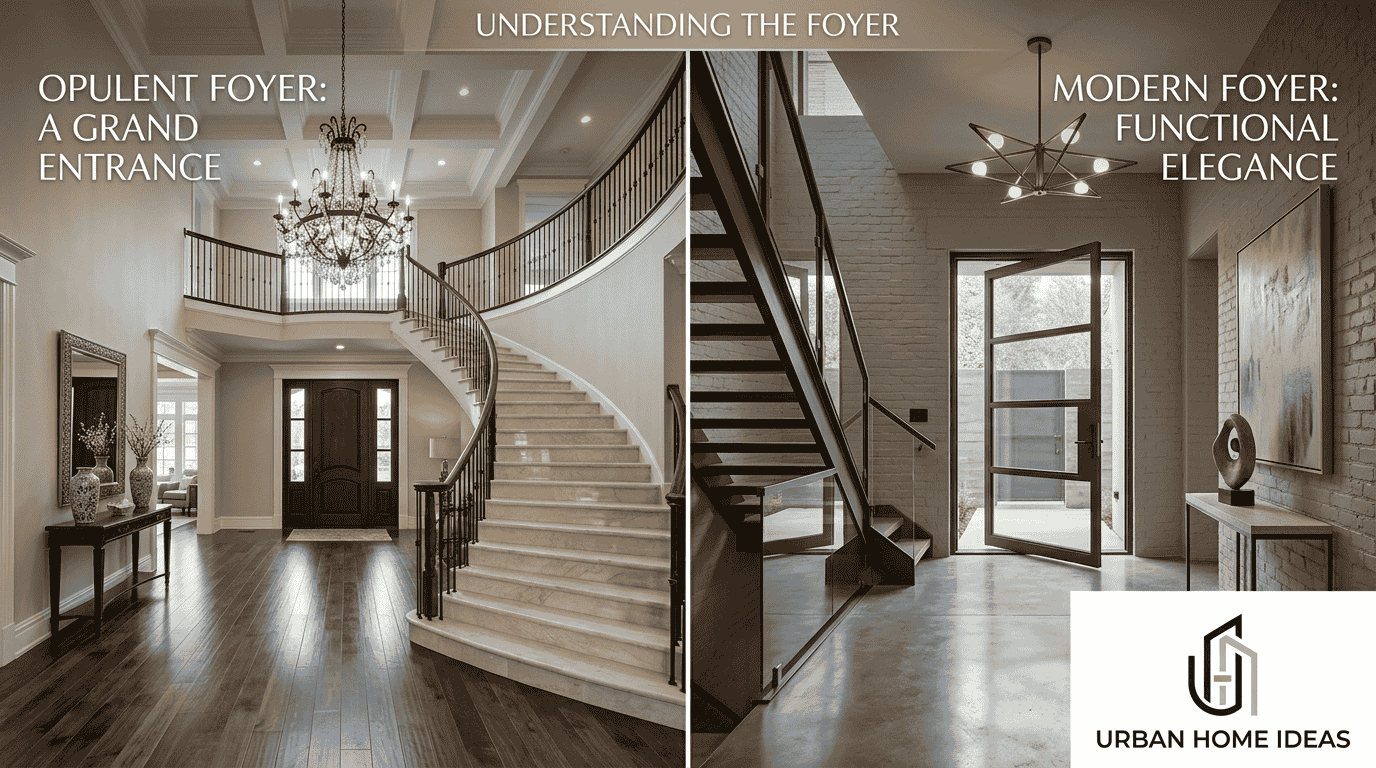
The term foyer originally comes from the French phrase le foyer, meaning hearth, home, or household. Over time, it became associated with welcoming spaces in homes and public buildings. Today, a foyer represents more than just an entry point; it introduces the overall atmosphere, style, and character of a home.
Foyer Definition and Meaning
The term foyer refers to an entrance hall, lobby, or welcoming area located just inside the main entrance of a house. It is a dedicated space that connects the outside environment with the interior living areas and helps create a smooth transition for residents and visitors.
A foyer is designed to provide both practical and visual benefits. It can serve as an organization zone where everyday items are placed while also introducing the home’s design style and creating a memorable first impression. Features such as storage, decorative furniture, and lighting can transform the entrance into a more functional and attractive area.
In larger homes, a foyer may appear as a spacious room with high ceilings, staircases, chandeliers, and decorative furniture. In smaller homes and apartments, the same concept may be created through a simple entryway that provides a welcoming and organized entrance experience.
What Is the Difference Between a Foyer and an Entryway?
A foyer and an entryway both describe areas near the entrance of a house, but they differ in their size, purpose, and level of design. An entryway is a general term used for any space where someone enters a home, including a small area beside the front door, a hallway, or an open section near the entrance.
A foyer, on the other hand, is usually a more defined and intentional entrance area designed as a welcoming space. It often includes furniture, storage, decorative elements, and features that introduce the home’s overall design style. Unlike a simple passage, a foyer is planned as a functional and visually appealing part of the home.
In traditional homes, a foyer is often larger and more formal, while modern apartments and smaller houses may use the term entryway for a compact entrance zone. Both spaces serve similar purposes by creating a connection between the outside world and the home’s interior spaces, but a foyer usually carries a stronger sense of structure and decoration.
What Is the Difference Between a Foyer and a Vestibule?
A foyer and a vestibule are both entrance-related spaces, but they have different roles within a house or building. A vestibule is usually a smaller room or passage located between an exterior door and the interior building space. Its main purpose is to create an additional barrier between outdoor conditions and the inside area.
Historically, vestibules were used to provide privacy, reduce drafts, and prevent cold air, dirt, and moisture from entering the home. They created a practical transition between the outdoors and indoors while improving comfort.
A foyer, however, is generally a larger and more decorative welcoming space. It may include furniture, artwork, lighting, and other design features that introduce the home’s character. In larger or older homes, a vestibule may lead into a foyer, where guests enter a more formal reception area.
Purpose and Function of a Foyer
A foyer serves as both a practical and aesthetic part of a house, helping people enter, leave, and move through the home comfortably. Beyond being an entrance area, it creates a welcoming atmosphere and establishes the home’s first impression through thoughtful design, furniture, lighting, and decorative details.
One of the main functions of a foyer is improving organization. It acts as a drop zone where everyday items such as keys, bags, shoes, coats, hats, and mail can be stored or arranged. Proper storage solutions help reduce clutter and keep the main living areas more organized.

A foyer also provides weather protection by creating a buffer between outdoor conditions and indoor spaces. Traditionally, it helped prevent dirt, moisture, and cold air from immediately entering the home. Today, it supports daily routines by offering practical features such as seating for shoes, hooks for jackets, cabinets, and mirrors for convenience.
A thoughtfully designed foyer combines functionality, comfort, and visual appeal while reflecting the home’s overall personality and style.
Creating A First Impression
A foyer is often the first interior space that visitors notice when entering a house, making it an important area for creating a positive impression. The arrangement of colors, furniture, lighting, and artwork helps introduce the home’s personality and overall design style.
A carefully planned foyer can communicate the atmosphere of the entire home before guests enter other living spaces. Decorative choices, architectural details, and thoughtful placement of elements can create a welcoming environment while showing the homeowner’s preferences and style.
The entrance experience is shaped by how the space looks, feels, and functions. A balanced combination of beauty and practicality allows the foyer to become more than an entry point—it becomes a meaningful introduction to the home’s character.
Providing Organization
A foyer plays an important role in maintaining organization within a house by creating a dedicated area for everyday belongings. It works as a drop zone where items used regularly can be placed instead of being scattered throughout the main living areas.
Common items stored in a foyer include keys, bags, shoes, coats, hats, and mail. Adding practical storage solutions such as cabinets, shelves, hooks, or baskets helps manage these items while keeping the entrance clean and functional.
A well-organized foyer improves daily routines by making essential belongings easy to find when leaving or entering the home. It combines convenience with design, allowing the entrance space to remain welcoming while reducing unnecessary clutter.
Protecting Interior Spaces
A foyer has historically served as a protective transition space between the outdoors and the inside of a house. Before entering the main interior spaces, this area helps reduce the impact of outdoor conditions by creating an additional layer between external elements and the living environment.
Traditionally, foyers helped protect homes from cold air, dirt, and moisture carried in from outside. This practical function was especially important in older homes where controlling indoor temperatures and maintaining cleanliness required more intentional entrance designs.
Today, a foyer continues to provide this protective role while adding comfort and style. By creating a clear separation between exterior and interior areas, it helps maintain cleaner living spaces and supports a more organized home environment.
Supporting Daily Routines
A foyer supports everyday activities by making the process of entering and leaving a house more convenient. This space provides a practical area where residents can complete small daily tasks, organize personal belongings, and prepare before moving into other interior spaces.
Functional features such as seating, hooks, storage cabinets, and designated areas for shoes and jackets help create a smoother routine. A person can comfortably sit while putting on footwear, hang outdoor items, or store frequently used belongings near the entrance.
By combining organization and functionality, a well-planned foyer reduces unnecessary effort during daily movements. It creates a balanced entrance area where practical needs and home design work together.
History of the Foyer
The foyer has a long history in residential architecture, especially in traditional homes where entrance spaces were designed to provide both function and elegance. Larger houses often included formal foyers because they created a dedicated area for welcoming guests while separating the entrance from private living areas.
Throughout different architectural periods, including Victorian, Tudor, and Colonial styles, foyers became known for their impressive features. These spaces often included grand staircases, decorative flooring, chandeliers, mirrors, and console tables that highlighted the home’s character and craftsmanship.

Over time, housing preferences changed. Many modern homes moved toward smaller entrance areas and open floor plans that connect different rooms together. Although contemporary foyers may be less formal, they still maintain their purpose as a stylish and functional connection between the entrance and the rest of the home.
Why Are Foyers Less Common in Modern Homes?
The use of traditional foyers has decreased in many modern homes because contemporary architecture often focuses on open layouts and efficient use of available space. Instead of creating separate entrance rooms, many newer houses combine the entrance with connected living spaces to create a more open and flexible environment.
Several factors have contributed to this change, including smaller home footprints, changing lifestyles, and a preference for informal living areas. Modern homeowners often choose practical alternatives such as entry corners, mudrooms, hallways, or multi-purpose entrance zones instead of a large formal foyer.
Even without a traditional foyer, homes can still create a functional entrance area through thoughtful design. Features such as storage furniture, wall hooks, seating, and decorative elements can define an entrance zone while maintaining the open feel of contemporary interiors.
Essential Elements of a Foyer
A well-designed foyer combines beauty and functionality by including elements that improve both appearance and everyday use. The right combination of furniture, storage, and decorative features can transform an ordinary entrance area into a practical and welcoming part of the house.
One important element is a coat closet or coat rack, which provides a dedicated place for jackets, umbrellas, and outdoor accessories. A rug or doormat helps protect the flooring by catching dirt, moisture, and debris brought in with shoes.
Adding a bench or seating area creates a comfortable place for putting on or removing shoes. Storage benches can also provide hidden space for footwear and everyday items. A drop zone with a console table, shelf, or hooks helps organize essentials such as keys, wallet, bags, mail, and sunglasses.
Lighting is another important feature that improves both functionality and appearance. Options such as chandeliers, pendant lights, wall sconces, and decorative lamps can create a strong visual impact. Mirrors and artwork add personality, make smaller foyers feel larger, and increase visual interest through decorative elements.
Coat Closet or Coat Rack
A coat closet or coat rack is one of the most useful storage features in a foyer because it provides a dedicated place for outdoor items. These elements help keep the entrance area organized by giving residents a convenient location to store jackets, umbrellas, and other outdoor accessories.
In smaller homes, wall-mounted hooks or compact coat racks can create practical storage without taking up much space. Larger foyers may include built-in closets that hide belongings while maintaining a clean and organized appearance.
By adding proper storage solutions near the entrance, a foyer becomes easier to manage and keeps everyday items accessible while reducing unnecessary clutter throughout the house.
Rug or Doormat
A rug or doormat is an important element in a foyer because it helps protect the home’s flooring while improving the appearance of the entrance area. Placing a rug near the front door creates a defined entry space and adds texture, comfort, and visual appeal to the room.
A washable rug is often a practical choice because it can collect dirt, dust, and moisture brought inside from outdoor shoes. A quality doormat also helps reduce debris entering the home and keeps surrounding areas cleaner.
Beyond protection, rugs contribute to the overall design style of a foyer by adding color, patterns, and warmth. They help create a more organized and welcoming transition between outdoor areas and the home’s interior spaces.
Bench or Seating
A bench or seating area can make a foyer more comfortable and functional by providing a convenient place to sit near the entrance area. It allows residents and guests to comfortably put on or remove shoes before moving into the rest of the house.
In addition to comfort, seating can improve organization when combined with built-in storage. A storage bench provides a hidden space for footwear, bags, and other everyday items while keeping the foyer neat and visually appealing.
Choosing the right seating option depends on the size and design of the foyer. A compact bench works well in smaller entrances, while larger spaces may include chairs or decorative seating that enhances the overall design style and welcoming atmosphere.
Drop Zone
A drop zone is a practical feature in a foyer that creates a specific place for storing frequently used belongings when entering or leaving a house. It helps maintain organization by preventing everyday items from being misplaced or creating unnecessary clutter in other living areas.
A well-designed drop zone may include a console table, shelf, hooks, or small storage units where items such as keys, wallet, bags, mail, and sunglasses can be placed. This simple arrangement makes daily routines easier by keeping essential belongings accessible.
Beyond storage, a drop zone contributes to the overall functionality and appearance of the foyer. When combined with thoughtful design elements, it creates a cleaner, more welcoming entrance that balances convenience with the home’s style.
Lighting
Lighting is an essential feature in a foyer because it improves both the functionality and visual appeal of the entrance area. The right lighting arrangement helps create a welcoming atmosphere while highlighting important design elements within the space.
Different lighting options can be used depending on the size and style of the foyer. Chandeliers can create a dramatic focal point in larger entrances, while pendant lights, wall sconces, and decorative lamps provide practical illumination in smaller spaces.
Beyond visibility, lighting contributes to the overall design style of a foyer by adding warmth, character, and elegance. A carefully selected lighting fixture can enhance furniture, artwork, and architectural details while making the entrance feel more inviting.
Mirrors and Artwork
Mirrors and artwork add both style and personality to a foyer while improving the overall appearance of the entrance area. A mirror can make smaller foyers feel more spacious by creating the impression of a larger appearance and reflecting available light.
Artwork helps introduce the homeowner’s taste and adds visual interest through colors, patterns, and decorative elements. Wall art, framed pieces, and creative displays can transform a simple entrance into a more personalized and welcoming space.
Together, mirrors and artwork enhance the design style of a foyer while creating a balanced combination of decoration and functionality.
How to Create a Foyer in a Small Home or Apartment
Even a small home or apartment can have a functional foyer by creating a dedicated entrance area near the door. Simple additions such as a console table, wall hooks, a small bench, or an area rug can help define the space.
Adding proper lighting, a mirror, and a storage zone improves organization while maintaining a stylish appearance. In open-concept homes, furniture placement, flooring changes, and decorative elements can visually separate the entrance from the main living area.
A thoughtfully designed small foyer provides the same benefits as a larger one by combining storage, comfort, and a welcoming transition into the home.
Foyer Design and Decoration Ideas
A well-designed foyer should balance home style, decoration, and practical needs. The entrance area creates an opportunity to introduce the home’s personality through statement lighting, furniture, colors, and decorative features.
Popular design elements include a chandelier or pendant light as a focal point, a console table for storage space, and greenery such as plants and flowers to add freshness. Functional storage options like cabinets and baskets help reduce clutter while maintaining organization.
Additional decorative choices, including artwork, wallpaper, mirrors, and decorative objects, allow homeowners to create a unique foyer that matches their preferred color palette and overall interior style.
Add Statement Lighting
Statement lighting such as a chandelier or pendant light can become a major design element in a foyer. It creates a visual focal point while improving the brightness and atmosphere of the entrance.
Use a Console Table
A console table provides both decoration and practical storage space in a foyer. It can hold everyday essentials while adding style and improving the overall appearance of the entrance.
Include Greenery
Adding greenery, plants, and flowers brings freshness and natural beauty into a foyer. These elements create a more welcoming atmosphere while adding a connection with natural design features.
Choose Functional Storage
Functional storage solutions such as cabinets and baskets help maintain organization in a foyer. They provide places for belongings while preventing clutter from building up in the entrance area.
Add Personal Style
Personal touches such as artwork, wallpaper, mirrors, and decorative objects allow a foyer to reflect individual preferences. These details create a unique space with a coordinated color palette and stronger personality.
Foyer FAQs
A foyer is an important part of a house that combines entrance functionality, design, furniture, and storage. Whether traditional or modern, a well-planned foyer improves the home’s style and organization.
What Is a Foyer in a House?
A foyer in a house is an entrance area located inside the home near the front door. It creates a connection between the entrance and other interior spaces, providing a smooth transition into the living areas.
Is a Foyer the Same as an Entryway?
A foyer and an entryway are related terms, but a foyer usually refers to a more formal and designed entrance space. An entryway is a general term for any entrance area, while a foyer focuses more on structure, style, and functionality.
Can a Small House Have a Foyer?
Yes, a small house can have a foyer area by using practical features such as furniture, storage, lighting, and decorative elements. Even a compact entrance can become functional and welcoming.
Does Every House Need a Foyer?
Not every house requires a traditional foyer. Modern homes may use smaller entrance areas while still focusing on organization, appearance, and thoughtful design.
What Furniture Goes in a Foyer?
Common foyer furniture includes console tables, benches, chairs, storage cabinets, coat racks, and shoe storage. These pieces improve seating, organization, and functionality near the entrance.