

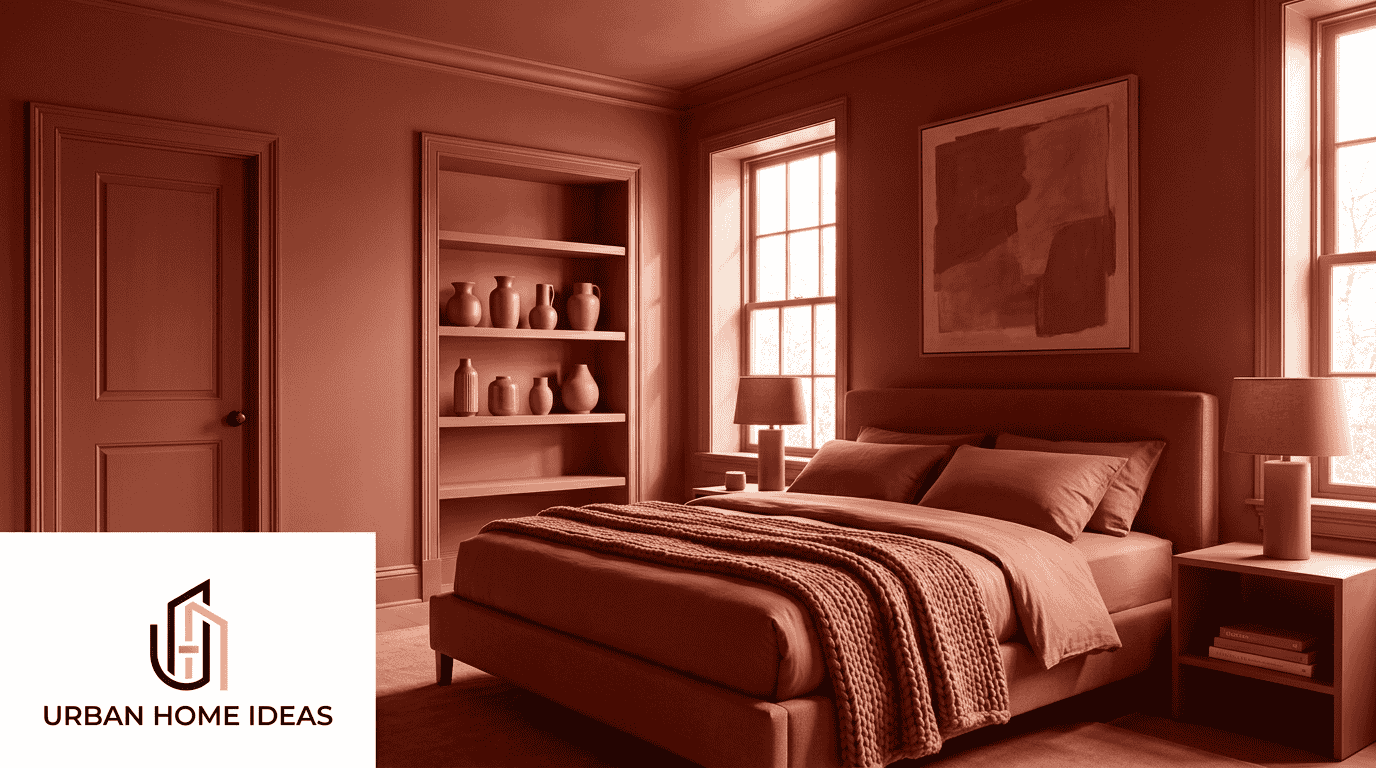
What is color drenching is a modern interior design technique that uses a single color throughout a complete space to create an immersive atmosphere. This growing paint trend transforms walls, ceilings, and architectural elements into a cohesive environment. By applying a dominant shade, designers create bold interiors, a monochromatic appearance, and a powerful visual experience that changes the feeling of a room.
- What Is Color Drenching?
- How Does Color Drenching Work In Interior Design?
- Which Surfaces Can Be Color Drenched?
- Color Drenching Vs Monochromatic Design: What Is The Difference?
- Why Is Color Drenching Becoming So Popular?
- Benefits Of Color Drenching Your Home
- Creates A Cozy And Immersive Atmosphere
- Makes Small Rooms Feel More Connected
- Highlights Architectural Details
- Reduces Visual Clutter
- Creates A Luxury Interior Appearance
- Does Color Drenching Make A Room Look Smaller?
- Best Colors For Color Drenching
- Best Rooms For Color Drenching
- How To Color Drench Your Home Step By Step
- Choose Your Color
- Test The Shade In Different Lighting
- Select Appropriate Paint Finishes
- Paint Walls And Ceiling
- Include Trim, Doors, And Details
- Add Matching Furniture And Accessories
- Common Color Drenching Mistakes To Avoid
- Choosing A Color Without Testing
- Ignoring Natural Lighting
- Using The Same Finish Everywhere
- Leaving Small Details White
- Choosing A Color That Does Not Match The Room’s Purpose
- Is Color Drenching Just A Trend?
- Frequently Asked Questions About Color Drenching
What Is Color Drenching?
Color drenching is an interior design approach where one selected color is applied across multiple surfaces instead of limiting paint to only one area. This painting technique creates a connected appearance by using the same shade on walls, ceilings, doors, and other important features of a room.
Unlike traditional painting methods that rely on contrast between surfaces, color drenching focuses on a unified color scheme. The goal is to reduce strong color boundaries and create a smooth relationship between different parts of the interior.
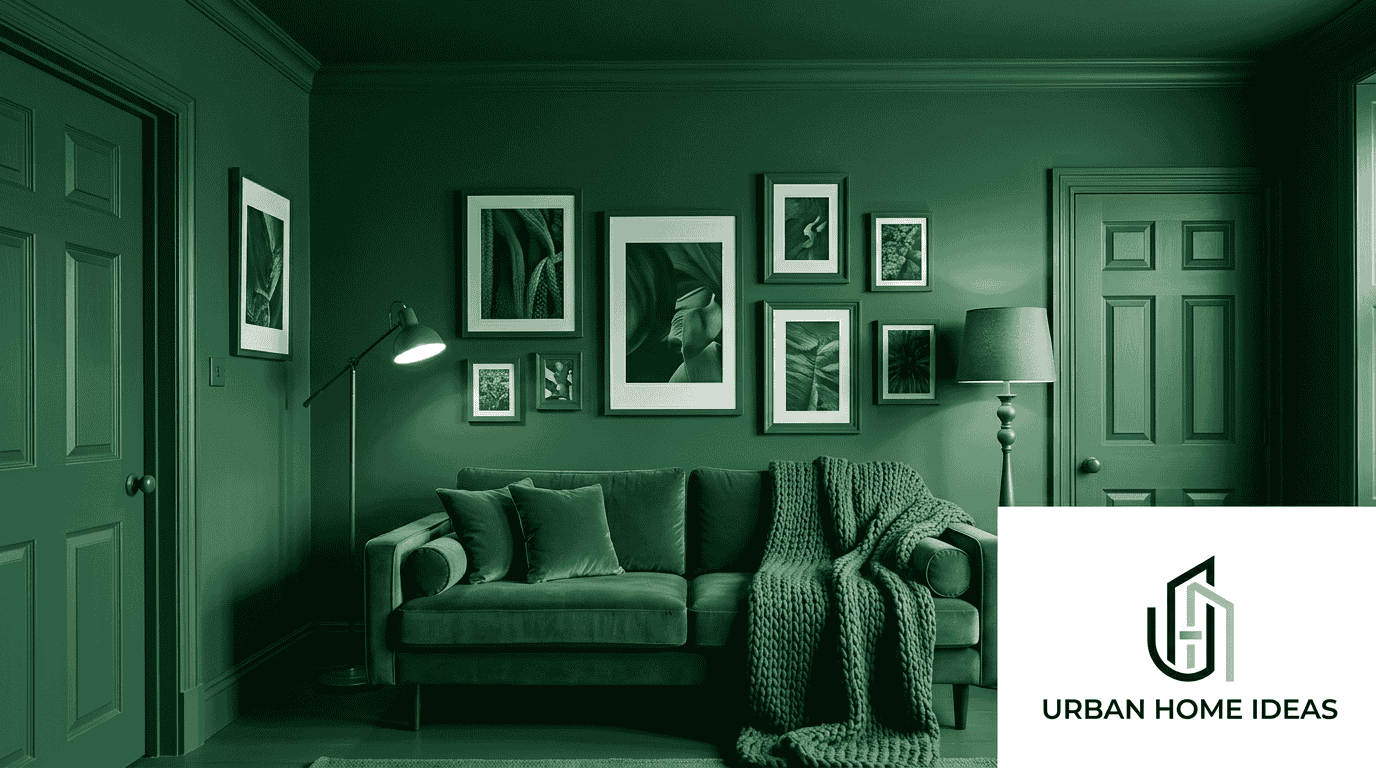
A color-drenched room may include:
- Walls
- Ceilings
- Doors
- Window frames
- Baseboards
- Trim
- Moldings
- Built-ins
- Cabinets
- Furniture
- Decorative elements
This design method creates a stronger room atmosphere by connecting every visual element. The result is a more connected environment where paint becomes part of the architecture rather than only a decorative layer.
Designers often use color drenching to achieve architectural harmony, improve visual impact, and develop an immersive design experience. Whether the selected shade is soft, neutral, or dramatic, this approach allows a room to maintain a cohesive appearance while expressing personality and style.
How Does Color Drenching Work In Interior Design?
Color drenching works by using a carefully selected color application strategy that connects different surfaces throughout a room. Instead of treating walls, ceilings, and architectural details as separate areas, this method creates a complete visual relationship by applying a same shade or closely related tones across the space.
Traditional painting usually depends on contrast, such as white ceilings or contrasting trim, to separate different areas. However, color drenching removes these visual interruptions by creating a unified shade that allows the room to feel more connected and intentional.
This color drenching method focuses on how color influences the entire room design. By reducing unnecessary visual breaks and creating smoother boundaries, designers can develop a more balanced interior where every element contributes to the overall appearance.
The approach is also connected with color psychology, as different shades can influence the mood and spatial experience of a room. Warm tones may create a comfortable environment, while deeper colors can add drama and sophistication.
Through thoughtful interior styling and careful selection of colors, this technique transforms ordinary spaces into visually engaging interiors. The goal is not simply to paint every surface, but to create an intentional design where color, architecture, and atmosphere work together naturally.
Creating A Continuous Color Flow
A key feature of color drenching is developing a continuous color flow that allows different parts of a room to feel connected. When the same shade moves across multiple surfaces, it creates a stronger visual connection and a more seamless appearance.
This approach helps establish a unified space because fewer interruptions appear between walls, ceilings, and architectural features. Instead of creating separate sections, the color creates a smoother journey throughout the interior.
A successful design reduces unnecessary color breaks and improves the smooth transition between different areas. This can influence how people understand room dimensions, creating better visual movement and a more balanced atmosphere.
By maintaining consistency across surfaces, designers achieve a cohesive interior with a stronger sense of harmony. The final result is an immersive feeling where the entire room appears thoughtfully planned rather than individually decorated.
The Importance Of Paint Finish And Texture
While color drenching mainly focuses on creating a consistent color experience, the final appearance of a space also depends on the right paint finish and texture. Using the same shade across different surfaces does not mean every area will look identical. Each surface interacts differently with light, creating subtle changes that add character and depth.
The selection of a suitable paint finish helps designers control the mood and appearance of a room. A matte finish can create a soft and refined look, while a higher sheen level can reflect more light and highlight specific features. These differences allow the same color to produce different visual effects throughout the space.
The relationship between surface reflection and light reflection plays an important role in achieving a balanced interior. Different finishes can introduce depth, dimension, and visual interest without affecting the overall unified color approach.
For example, a designer may use a softer wall finish, a matching ceiling finish, and a slightly different trim finish to create layers within the same color palette. This technique adds subtle color variation while maintaining the complete color-drenched effect.
Careful attention to these details improves interior detailing and helps create a sophisticated environment where paint, architecture, and texture work together. The combination of color and finish allows a room to feel more intentional, balanced, and visually appealing.
Which Surfaces Can Be Color Drenched?
Color drenching is not limited to painting only the walls. The technique works by extending the chosen color across different surfaces to create a complete and connected interior. By applying the same shade throughout various elements, designers can achieve a more monochromatic interior with stronger visual unity.
A fully color-drenched room may include walls, ceilings, doors, trim, window frames, built-in shelves, cabinets, furniture, woodwork, and other architectural features. Covering these areas with a consistent color helps create better paint coverage and a more complete room design.
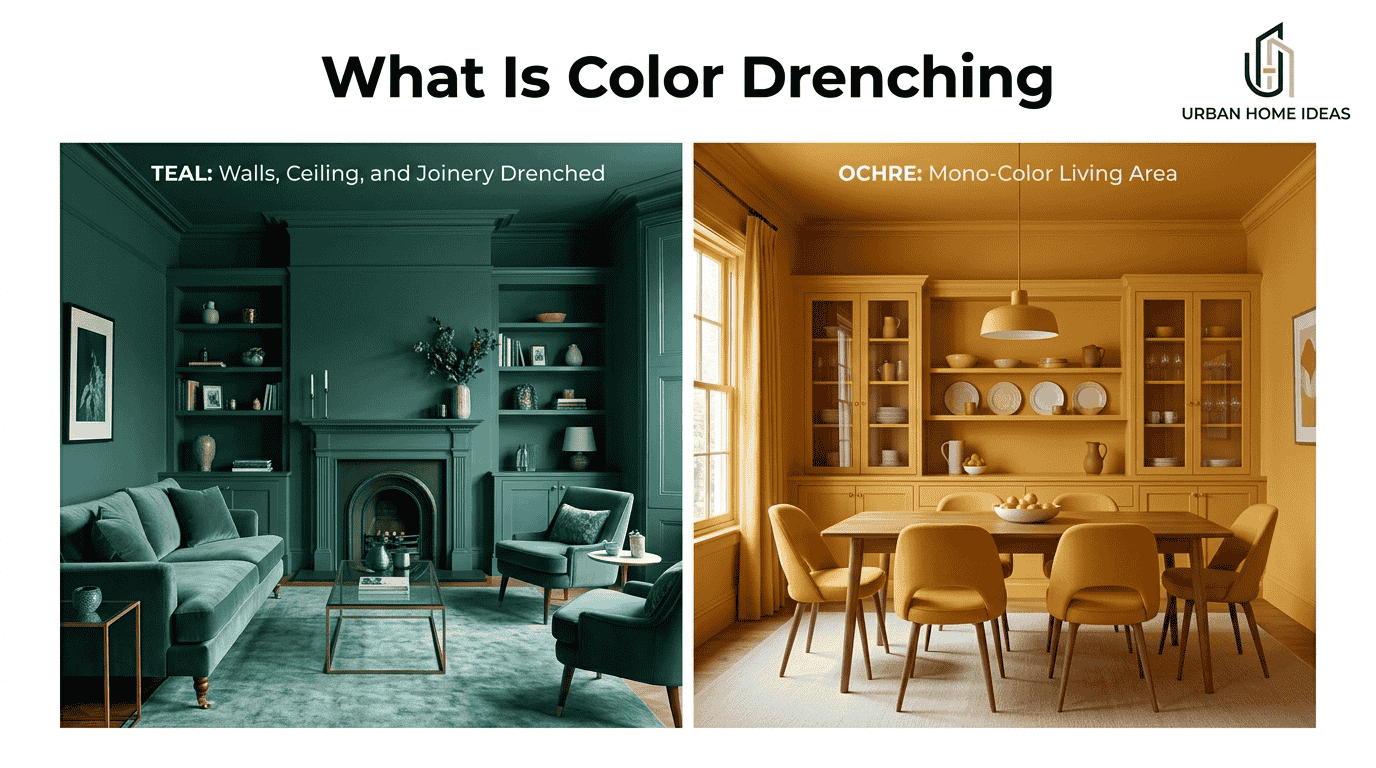
The purpose is not simply to add more paint but to create a relationship between every part of the space. When different surfaces share the same color direction, they become part of one overall design story.
Using color across multiple elements can also highlight the structure of a room. Features that might normally disappear, such as shelving, paneling, or built-in storage, become integrated parts of the interior instead of separate additions.
A carefully planned color-drenched space balances painted surfaces with furniture, textures, and decorative choices to maintain harmony while creating a visually rich environment.
Walls
Walls are usually the starting point of a color-drenched interior because they create the main foundation for the entire color scheme. As the largest primary surface in most rooms, walls establish the dominant visual direction.
Applying the selected shade across painted walls changes the overall room background and influences the complete interior style. The wall color becomes the base that connects other elements such as ceilings, trim, furniture, and decorations.
A carefully selected dominant color on walls can create a stronger identity for the space while allowing additional features to blend naturally into the design.
Ceilings
Ceilings play an important role in completing the immersive effect of color drenching. Instead of leaving the ceiling a separate neutral shade, designers often use a matching color to extend the visual experience upward.
A painted ceiling acts as an overhead surface that supports better visual continuity and creates a stronger connection between different areas of the room.
Depending on the chosen shade, a color-drenched ceiling can influence room height, add a dramatic feeling, and contribute to a more complete dramatic interior appearance.
Doors And Trim
Doors and trim are essential details in a color-drenched room because they often create noticeable contrast in traditional interiors. Painting these elements with the same or similar shade creates a smoother transition.
Including doors, trim, molding, and baseboards helps maintain consistency with surrounding surfaces. These architectural details become part of the overall design rather than separate features.
A matching shade creates a more blended appearance, reduces visual interruption, and supports a seamless design where every element feels connected.
Built-In Features
Built-in features such as shelves, cabinets, and storage units can become powerful design elements when included in a color-drenched approach.
Painting built-ins, shelves, and cabinets in the same color creates architectural harmony and gives the space a more integrated design. Instead of appearing as separate furniture pieces, these features become part of the room’s structure.
This method can create a custom appearance while maintaining color consistency throughout the interior.
Furniture And Decorative Elements
Color drenching can also extend beyond permanent surfaces by incorporating furniture, decor, accessories, and fabrics that complement the chosen shade.
Using matching tones in furniture and decorative pieces creates a stronger monochromatic look and improves the overall coordinated interior style.
These styling elements help maintain visual balance by connecting painted surfaces with soft furnishings and accessories, creating a complete and thoughtfully designed space.
Color Drenching Vs Monochromatic Design: What Is The Difference?
Although color drenching and monochromatic design both focus on using related colors within an interior, they create different visual experiences. The main difference is how color is applied and how the room’s elements interact with each other.
Color drenching focuses on covering a space with one dominant shade across multiple surfaces, including walls, ceilings, trim, doors, and architectural features. The goal is to create an immersive effect where the entire room feels connected through one continuous color direction.
On the other hand, monochromatic design uses different variations of one color family. Instead of relying on one exact shade, it combines different color tones, tints, and shades to create layers and visual interest.
A color-drenched room usually creates a stronger sense of unity because the same color appears throughout the space. A monochromatic interior allows more flexibility by introducing lighter and darker variations while maintaining a similar color relationship.
The difference can be understood through these design approaches:
| Color Drenching | Monochromatic Design |
| Uses one dominant shade throughout a room | Uses different tones from one color family |
| Focuses on walls, ceilings, trim, and architectural elements | Focuses on combining multiple color variations |
| Creates an immersive and connected environment | Creates a layered and balanced appearance |
| Reduces visual separation between surfaces | Uses contrast between different shades |
Both approaches can create beautiful interiors, but the choice depends on the desired atmosphere. Color drenching works well for homeowners who want a bold, unified appearance, while monochromatic design suits those who prefer more variation within a single color palette.
When used correctly, both techniques support a strong interior color strategy and help achieve better visual harmony within a space.
Why Is Color Drenching Becoming So Popular?
The growing popularity of color drenching comes from a shift toward more expressive and personalized interiors. Many homeowners and designers are moving away from plain neutral interiors and exploring stronger bold colors that create more personality and emotion within a space.
Modern interiors are increasingly focused on creating rooms that feel intentional rather than simply functional. This color drenching trend allows designers to transform ordinary areas into visually engaging environments by using a consistent color approach across different surfaces.
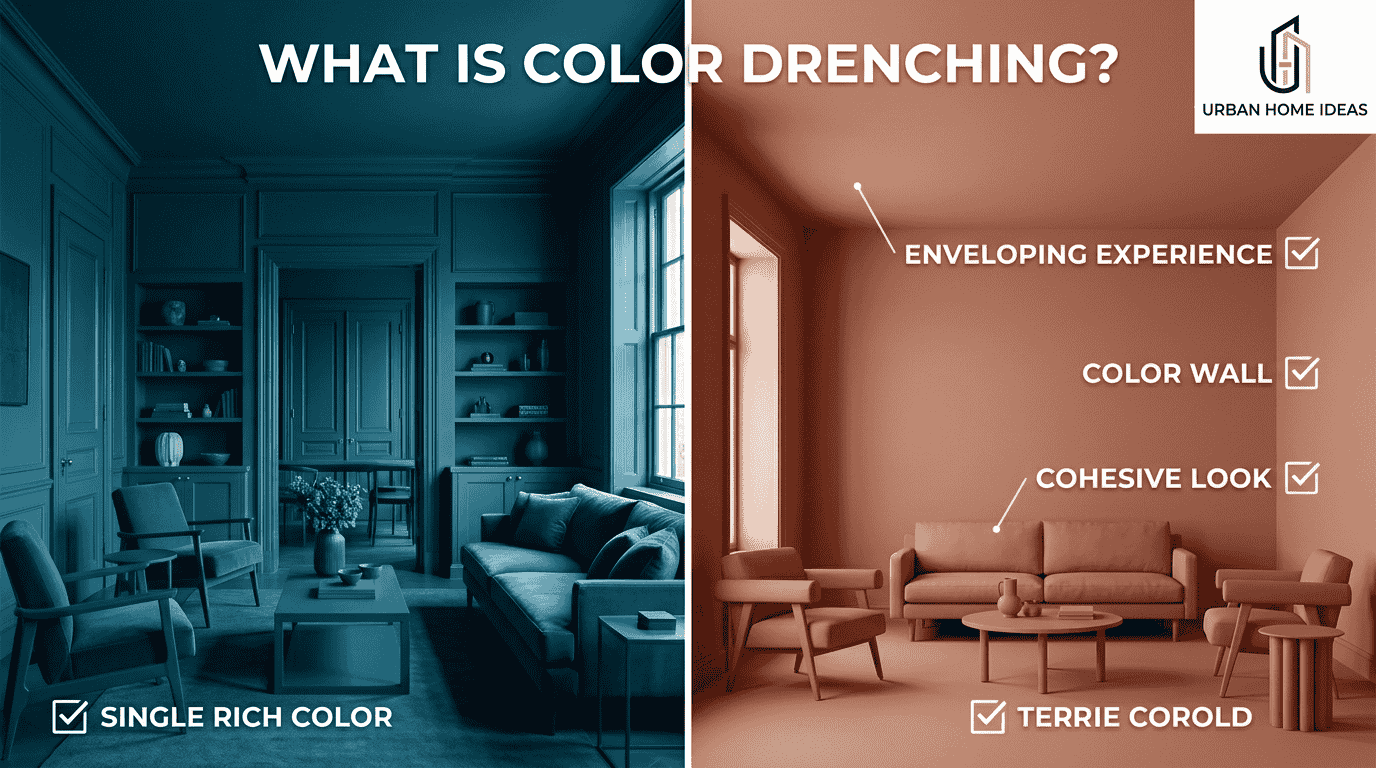
One reason behind its popularity is the ability to create a strong connection between architecture and decoration. Instead of treating walls, ceilings, and details separately, this method brings everything together through a unified visual language.
The rise of expressive design has encouraged homeowners to experiment with personalized homes that reflect individual preferences. Rich colors, carefully selected finishes, and coordinated elements can create a sense of luxury appearance without requiring complicated structural changes.
Social platforms have also increased interest in this approach. The dramatic results of color-drenched rooms often attract attention because they create memorable images and inspire new interior trends. Designers use this technique in creative decorating to develop spaces that feel unique and carefully planned.
From small rooms to large living areas, color drenching can create dramatic spaces with a comfortable and cozy atmosphere. Its flexibility allows it to work with different design styles, making it a popular choice for both modern and traditional interiors.
Benefits Of Color Drenching Your Home
Color drenching offers more than just a bold visual style; it changes how a room feels and how different elements work together. By applying a consistent color approach across multiple areas, homeowners can create a more cohesive space with a strong sense of connection and purpose.
One of the main advantages of this technique is the ability to create an immersive environment where walls, ceilings, furniture, and architectural details feel like part of one complete design. Instead of creating separate visual sections, color drenching allows every element to contribute to the overall atmosphere.
This method can also enhance architectural features by making details such as molding, built-ins, and paneling more noticeable. Rather than hiding these elements, the consistent color highlights their structure and character.
Another benefit is reducing unnecessary visual clutter. When different surfaces share the same color direction, the room appears cleaner and more organized. This creates a calmer environment where the eye can focus on the overall design rather than individual distractions.
Color drenching also supports a more personalized approach to decorating. By selecting shades that match personal preferences and lifestyle needs, homeowners can achieve a unique personalized style while improving the overall design impact of the room.
With the right color selection, lighting, and styling choices, this approach can create a sophisticated luxury interior that feels intentional and refined. It helps build color confidence by encouraging people to use color in a more complete and creative way.
Creates A Cozy And Immersive Atmosphere
A major reason people choose color drenching is its ability to create a warm and comfortable environment. Covering multiple surfaces with the same color can produce a stronger cozy feeling because the room feels wrapped in one consistent visual experience.
Deep shades and rich colors can add depth and create a more intimate space, while softer tones can produce a relaxing atmosphere. The connection between color and emotion allows designers to create rooms that support comfort and personal expression.
A well-designed color-drenched room combines an immersive atmosphere, a warm environment, and a comfortable interior that encourages relaxation. The selected shades can influence the emotional connection people develop with their surroundings.
Makes Small Rooms Feel More Connected
Many people assume that dark or continuous colors can make small rooms feel restricted, but color drenching can actually improve how a compact space is experienced.
By reducing visual interruptions and extending the same shade across surfaces, small rooms can achieve better visual continuity. This creates a more connected space where boundaries become less noticeable.
The technique helps create an expanded feeling by improving spatial perception and producing a smoother appearance. Instead of focusing on separate walls or corners, the eye moves naturally through the room, making compact interiors feel more balanced and intentional.
Highlights Architectural Details
Color drenching can transform ordinary structural elements into important design features. Details such as molding, paneling, and built-ins become more noticeable when they are painted within the same color scheme.
Rather than creating contrast, this approach emphasizes the shape, texture, and craftsmanship of the space. These architectural details gain more presence while maintaining harmony with the rest of the interior.
By highlighting these elements, designers can showcase the character, structure, and interior craftsmanship of a room without adding extra decorative elements.
Reduces Visual Clutter
A consistent color approach helps create a cleaner and more organized interior. When multiple surfaces share one shade, unnecessary distractions are reduced, resulting in a more peaceful environment.
Color drenching supports a clean appearance by creating a simple design language throughout the room. The use of a consistent color helps different elements work together instead of competing for attention.
This approach creates a balanced interior where furniture, architecture, and decorative features appear more connected and visually organized.
Creates A Luxury Interior Appearance
Color drenching is often associated with premium and sophisticated interiors because it creates a strong visual statement. A carefully selected color palette can give a room a designer-inspired appearance without requiring excessive decoration.
The technique creates a sophisticated look by combining coordinated surfaces, intentional color choices, and refined styling. Rich shades and thoughtful application can transform ordinary spaces into elegant spaces with a high-end appearance.
Does Color Drenching Make A Room Look Smaller?
A common concern about color drenching is whether using the same color across an entire room can make the space feel smaller. In reality, the effect depends on the chosen shade, lighting conditions, and overall room design rather than the technique itself.
When applied correctly, color drenching can actually make spaces feel more connected by reducing strong visual boundaries between surfaces. Painting walls, ceilings, and architectural details in a similar shade creates a continuous appearance that allows the eye to move naturally around the room.
The perception of room size is strongly influenced by factors such as depth, lighting, and color intensity. Dark colors can create a sense of warmth and intimacy, making spaces feel comfortable and enclosed, while lighter shades can increase the feeling of openness and airiness.
Natural and artificial lighting also play an important role in how a color-drenched room appears. A darker palette in a poorly lit space may feel more dramatic, while the same color with strong lighting can appear more balanced and spacious.
Instead of focusing only on whether a room looks larger or smaller, designers consider the overall room perception and interior balance. A carefully planned color-drenched interior can create depth, personality, and a more intentional atmosphere regardless of the room’s size.
The key is selecting colors that match the purpose of the space, understanding how light interacts with the surfaces, and using the technique to enhance the room rather than restrict it.
Best Colors For Color Drenching
Choosing the right color selection is one of the most important parts of creating a successful color-drenched interior. Since the same shade can appear across walls, ceilings, furniture, and decorative elements, the chosen palette has a major influence on the overall mood and atmosphere of the room.
The best paint choices depend on the style of the space, lighting conditions, existing furniture, and the feeling a homeowner wants to create. Some people prefer soft and calming shades, while others choose stronger colors to create dramatic interiors with more personality.
A carefully planned interior palette can include soft neutrals, earthy colors, or bold colors depending on the desired effect. Each group creates a different experience and helps shape the character of the room.
Soft Neutral Colors
Soft neutrals are ideal for homeowners who want a calm and timeless color-drenched space. Shades such as beige, cream, gray, and off-white create a balanced environment that feels comfortable and refined.
These colors work well in bedrooms, living areas, and relaxing spaces because they create a calm atmosphere without overwhelming the room. Their subtle appearance allows furniture, textures, and architectural details to remain visually connected.
Neutral color drenching creates a subtle design approach that feels elegant and adaptable. These shades can support a timeless interior style while maintaining a peaceful and welcoming environment.
Earthy Colors
Earth tones bring natural warmth and depth into color-drenched rooms. Shades such as sage green, olive, terracotta, and brown create interiors that feel connected to natural surroundings.
These natural colors often produce an organic feeling because they introduce warmth and comfort. They are commonly used to create warm interiors with a grounded and relaxed atmosphere.
Earthy palettes work especially well in living rooms, bedrooms, and spaces where homeowners want a more natural design direction. The combination of rich textures and earthy shades creates a balanced and inviting environment.
Bold Colors
For homeowners who want a stronger visual statement, bold colors can create dramatic and memorable interiors. Shades such as deep blue, emerald green, burgundy, and plum bring personality and depth to a room.
These colors are often used to create statement interiors where the paint itself becomes a major design feature. Strong shades can express confidence and create a space with a strong personality.
A bold color-drenched room can transform an ordinary area into an expressive room with a dramatic appearance. When combined with suitable lighting and furniture, these shades create a powerful and sophisticated interior style.
Best Rooms For Color Drenching
Color drenching can be applied in almost any area of a home because the technique focuses on creating a complete visual experience rather than following strict room limitations. The right room function, lighting, and desired interior mood help determine which spaces benefit most from this design approach.
From private areas like bedrooms to social spaces such as living rooms and dining areas, color drenching can create different emotions depending on the chosen shade and styling. It works especially well in rooms where homeowners want a strong identity, comfortable atmosphere, or a more intentional decorative style.
Common areas suitable for color drenching include:
- Bedrooms
- Living rooms
- Dining rooms
- Home offices
- Bathrooms
- Entryways
- Small spaces
- Transitional areas
Each room offers a different opportunity to use color as a design feature while maintaining a balanced and connected interior.
Bedrooms
Bedrooms are one of the most popular spaces for color drenching because they benefit from a calm and personal atmosphere. Using a consistent color across walls, ceilings, and details can create a relaxing environment designed for rest.
Soft shades can encourage a peaceful feeling, while deeper colors can create a more intimate and cozy setting. The right palette supports relaxation, improves the restful atmosphere, and transforms the bedroom into a comfortable personal retreat.
A color-drenched bedroom allows homeowners to express their personality while maintaining a sense of harmony between surfaces, furniture, and decorative elements.
Living Rooms
Living rooms provide an opportunity to use color drenching as a strong design statement. Since these spaces are often used for gathering and social interaction, the selected color can influence the overall feeling of the room.
A carefully chosen palette can add warmth, create an inviting atmosphere, and give the space more personality. By coordinating walls, ceilings, furniture, and accessories, designers can create a complete interior statement.
A color-drenched living room can feel sophisticated, comfortable, and visually connected while reflecting the homeowner’s individual style.
Dining Rooms
Dining rooms are ideal for experimenting with richer shades because they are often designed to create a memorable experience. Color drenching can transform these areas into a more dramatic and elegant setting.
Using deep or warm colors can create a refined entertaining space with an elegant atmosphere. The combination of rich colors, coordinated lighting, and thoughtful decoration enhances the overall dining experience.
This approach allows the dining area to feel more intentional and visually impressive.
Home Offices
Home offices can benefit from color drenching because the right color environment can influence focus and creativity. A carefully selected shade can create a dedicated workspace that feels separate from other areas of the home.
A well-designed office with color continuity supports productivity, encourages a creative environment, and creates a professional atmosphere. Inspiring colors can help establish a workspace that feels both functional and visually appealing.
Bathrooms And Small Spaces
Bathrooms and compact areas are excellent places to experiment with color drenching because the technique can create a unique and immersive effect even in limited spaces.
A fully color-drenched bathroom can achieve a boutique style by combining walls, ceilings, and details in one coordinated shade. Small spaces can benefit from bold interiors because the consistent color creates a memorable visual experience.
Through careful selection of shades and finishes, these areas can become stylish, comfortable, and full of personality. The result is an immersive design with a unique atmosphere that feels intentional rather than ordinary.
How To Color Drench Your Home Step By Step
Creating a successful color-drenched interior requires more than simply painting every surface with the same shade. A thoughtful color drenching process involves planning the right color, understanding lighting conditions, selecting suitable paint finishes, and coordinating different elements throughout the room.
A well-planned approach helps homeowners achieve a balanced design where walls, ceilings, trim, doors, furniture, and accessories work together naturally. Proper implementation and interior planning ensure that the final result feels intentional rather than overwhelming.
Choose Your Color
The first step is selecting the right color choice for the space. Since the chosen shade will appear across multiple surfaces, it should match the room’s purpose, lighting, existing furniture, and overall design direction.
Testing different paint samples can help determine how a shade behaves throughout the day. A color that looks appealing under store lighting may appear different when exposed to natural or artificial light at home.
Important factors to consider include:
- Room style
- Lighting
- Furniture
- Mood
- Design goals
A successful color selection creates a foundation for the entire interior and ensures that the final result reflects the desired atmosphere.
Test The Shade In Different Lighting
Lighting has a major effect on how a color appears in a room. Before committing to a shade, designers usually test the color under different conditions, including natural light, artificial light, and daylight.
The same paint can change appearance depending on the time of day and the amount of light entering the space. Evening lighting may create a warmer appearance, while daylight can reveal different undertones.
Testing paint before application helps evaluate:
- Paint testing
- Color appearance
- Light intensity
- Room orientation
- Surface reflection
This step prevents unexpected results and helps create a more balanced color-drenched environment.
Select Appropriate Paint Finishes
Choosing suitable paint finishes is essential because different surfaces require different levels of durability and reflection. The right finish can improve the overall appearance while adding subtle differences within the same color palette.
Common options include:
- Matte
- Satin
- Gloss
- Different sheen levels
The selected finish should match the surface type and the purpose of the area. Durable finishes may work better in high-contact areas, while softer finishes can create a more refined appearance.
Proper finish selection adds visual depth and helps maintain a polished interior.
Paint Walls And Ceiling
The next step is applying the chosen color to the main surfaces. Painting both walls and the ceiling creates the foundation of a fully immersive room.
Using matching paint across these areas provides complete coverage and strengthens the connection between surfaces. The result is a more seamless room where the boundaries between different sections become less noticeable.
A coordinated wall and ceiling approach is one of the defining features of effective color drenching.
Include Trim, Doors, And Details
To achieve a complete color-drenched appearance, smaller architectural elements should also be considered. Including trim, doors, molding, and other details helps maintain consistency throughout the space.
These features contribute to the overall complete color scheme and prevent visual interruptions. When painted thoughtfully, architectural elements become integrated parts of the design rather than separate features.
Add Matching Furniture And Accessories
The final stage involves connecting painted surfaces with interior items. Adding coordinated furniture, accessories, textiles, and decor can strengthen the overall design.
Using matching tones creates a more unified appearance and supports a coordinated interior style. These elements do not need to match perfectly but should complement the main color direction.
Thoughtful styling creates a finished space where paint, furnishings, and decorative elements work together to complete the color-drenched look.
Common Color Drenching Mistakes To Avoid
Although color drenching can create a powerful and stylish interior, poor planning can reduce its impact. Choosing the wrong shade, ignoring lighting, or overlooking small details can affect the final result. A successful design requires attention to color selection, room conditions, and how different elements work together.
Understanding common mistakes helps homeowners create a balanced space where color enhances the room instead of making it feel uncomfortable. The right approach considers lighting, paint finish, architectural details, and the overall purpose of the space.
Choosing A Color Without Testing
One of the most common mistakes is selecting a color without proper color testing. A shade that appears attractive in a showroom or online image may look completely different once applied to a real room.
Using paint samples allows homeowners to observe how colors change throughout the day. Testing different areas of the room helps evaluate:
- Trial colors
- Lighting effects
- Final appearance
Testing before committing ensures the selected shade works with existing furniture, natural conditions, and the overall interior style.
Ignoring Natural Lighting
Natural light has a major influence on how a color-drenched room appears. Ignoring natural lighting can lead to unexpected results because sunlight changes the way colors are perceived.
Factors such as:
- Sunlight
- Shadows
- Room brightness
- Window direction
can affect the final appearance of painted surfaces.
A shade that feels warm and balanced in bright daylight may appear darker or cooler in spaces with limited sunlight. Considering lighting conditions helps maintain the intended mood and prevents unwanted changes in color perception.
Using The Same Finish Everywhere
While color consistency is important, using the exact same finish on every surface can sometimes reduce the visual quality of a room.
Different materials interact with light differently, so combining various finishes can add depth and character. Understanding paint finish, surface difference, texture, and sheen allows designers to create more interesting interiors.
Small variations between finishes can improve visual depth while keeping the overall color-drenched appearance connected.
Leaving Small Details White
Leaving elements such as trim, molding, or architectural features white can interrupt the continuous effect of color drenching.
A white trim creates unnecessary contrast and may make the room feel unfinished. Including smaller details in the color scheme improves color continuity and creates stronger design consistency.
When doors, trim, and other features are considered part of the overall design, the room feels more complete and intentional.
Choosing A Color That Does Not Match The Room’s Purpose
Every room serves a different function, and the selected color should support its purpose. Choosing a shade without considering the room’s use can create an uncomfortable atmosphere.
Color psychology plays an important role in creating the right environment. Factors such as:
- Room purpose
- Functionality
- Atmosphere
- Interior suitability
should guide the final decision.
A relaxing bedroom, productive office, and social living area may require different color approaches. The best color-drenched interiors balance visual appeal with practical needs.
Is Color Drenching Just A Trend?
Although color drenching has become a popular interior trend, many designers view it as more than a temporary style movement. The technique is connected to a longer history of using strong colors, decorative finishes, and intentional paint choices to create memorable interiors.
The appeal of color drenching comes from its adaptability. It can be used in different design styles, from modern apartments to traditional homes, because the concept focuses on creating harmony between color and architecture rather than following one specific aesthetic.
Unlike short-lived decorating trends, color drenching is based on a practical design approach that allows homeowners to personalize their spaces. By changing the chosen shade, finish, and styling elements, the same technique can create completely different atmospheres.
The method also supports creative expression because it encourages people to move beyond safe color choices and explore how paint can influence the entire room experience. Whether using soft neutrals, earthy tones, or dramatic shades, the approach can be adjusted according to personal preferences and interior goals.
The continued interest in color drenching shows how interior design is evolving toward more expressive and intentional spaces. Its ability to work across modern homes and traditional homes makes it a flexible technique that can remain relevant beyond current trends.
Frequently Asked Questions About Color Drenching
What Does Color Drenching Mean?
Color drenching means using one consistent color throughout a room by applying it to multiple areas such as walls, ceilings, trim, and other architectural features. This interior painting technique creates a connected appearance instead of separating different surfaces with contrasting shades.
The idea behind color drenching is to create a more unified environment where a single color becomes the foundation of the entire design. By extending the shade across different elements, homeowners can achieve a more immersive and balanced interior.
A color-drenched room may include painted walls, ceilings, doors, and decorative details to create a complete unified design that feels intentional and visually connected.
Is Color Drenching Expensive?
The cost of color drenching depends on several factors, including the size of the room, the number of surfaces being painted, the quality of materials, and professional labor requirements.
Since this approach often includes more areas than traditional painting, such as ceilings, trim, and architectural details, the amount of paint quantity and preparation work may increase.
Important factors affecting the overall cost include:
- Paint quantity
- Labor
- Materials
- Renovation budget
- Interior project requirements
While the investment may be higher than standard wall painting, many homeowners choose color drenching because it creates a stronger design impact and transforms the entire space.
Can I Color Drench A Small Room?
Yes, color drenching can work effectively in a small room. In fact, using one continuous color across different surfaces can make compact areas feel more connected and intentional.
By reducing visual interruptions, the technique creates a smoother appearance and improves the feeling of space. Instead of highlighting boundaries between walls, ceilings, and details, the room achieves better visual flow.
A carefully selected shade can create:
- Visual expansion
- A cozy atmosphere
- A balanced compact space
- A stronger design technique
Small rooms can benefit from color drenching because the consistent color approach creates an immersive environment without requiring major structural changes.
Should The Ceiling Match The Walls?
In many color-drenched interiors, the ceiling is painted the same color as the walls to create a stronger immersive effect. Matching the ceiling and walls helps remove visual breaks and creates a more seamless appearance.
Using a matching color across these surfaces can make the room feel more connected and complete. However, designers may adjust finishes or tones slightly depending on lighting, room height, and desired atmosphere.
A coordinated ceiling and wall approach is one of the defining characteristics of a successful color-drenched design.
What Are The Best Colors For Color Drenching?
The best colors for color drenching depend on the desired mood, room style, and personal preference. Different shades create different emotional and visual effects.
Popular choices include:
- Neutrals such as beige, cream, and soft gray for calm interiors
- Earthy tones such as sage green, olive, and terracotta for natural warmth
- Bold colors such as deep blue, emerald green, burgundy, and plum for dramatic spaces
The ideal paint shades should complement the room’s purpose, existing furniture, lighting, and overall interior mood. A well-selected color palette helps create a balanced design that matches the intended room style.